
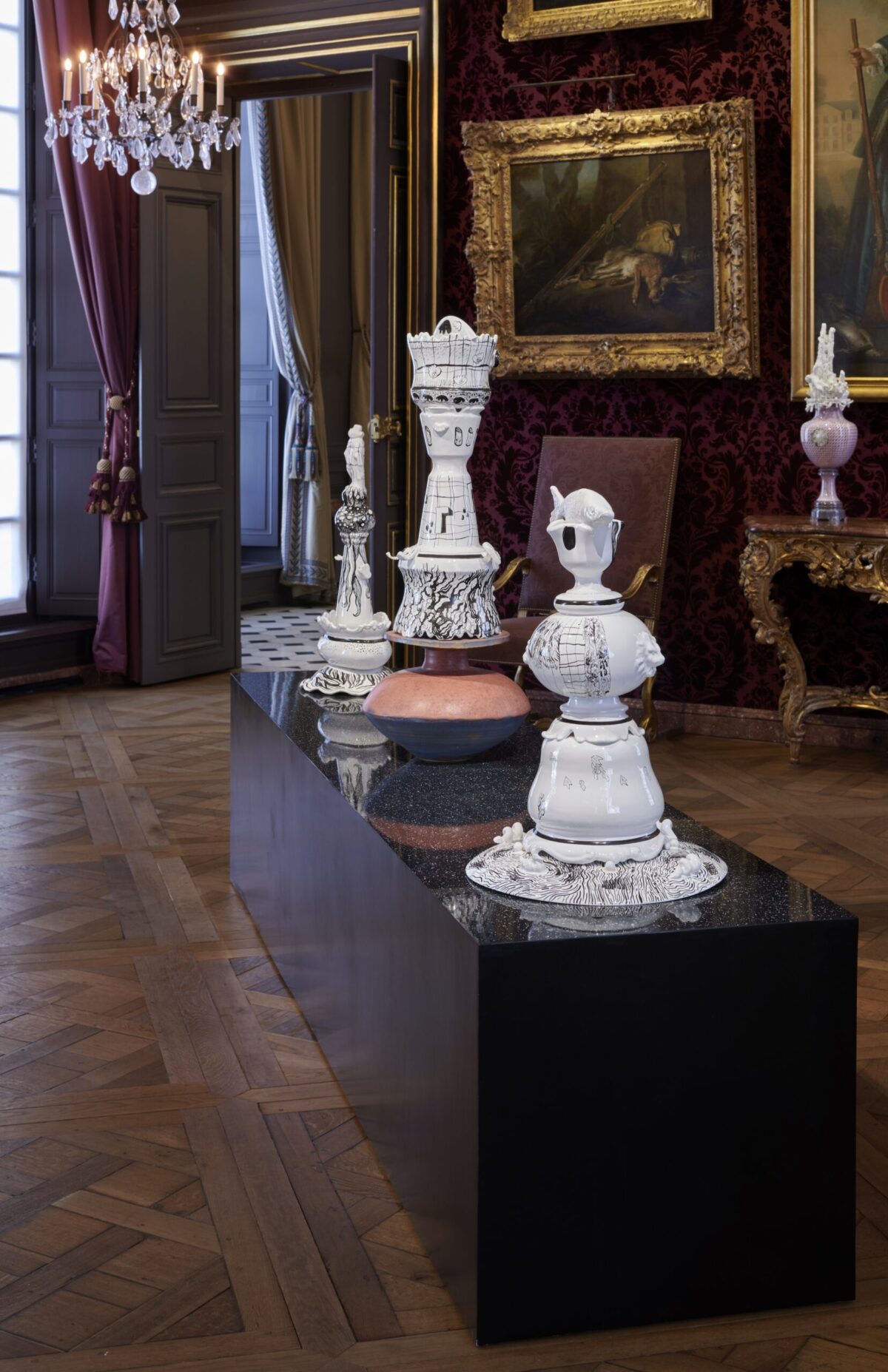
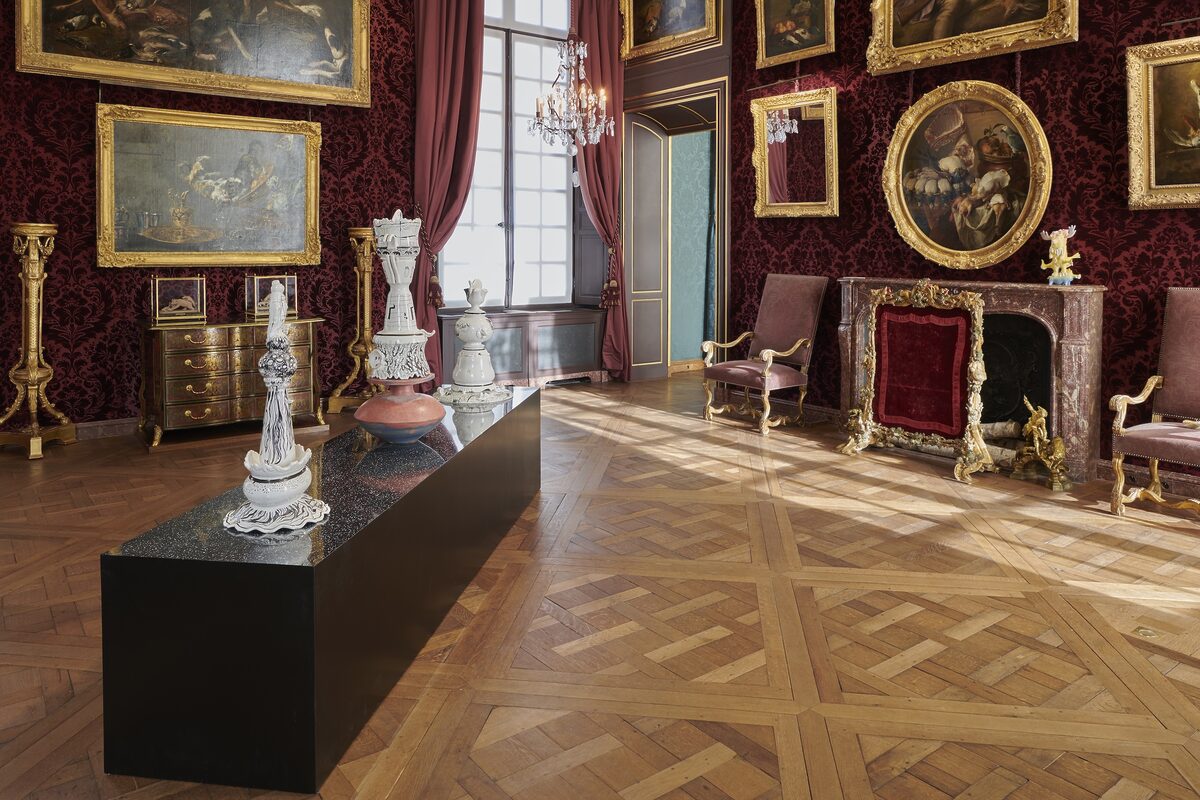


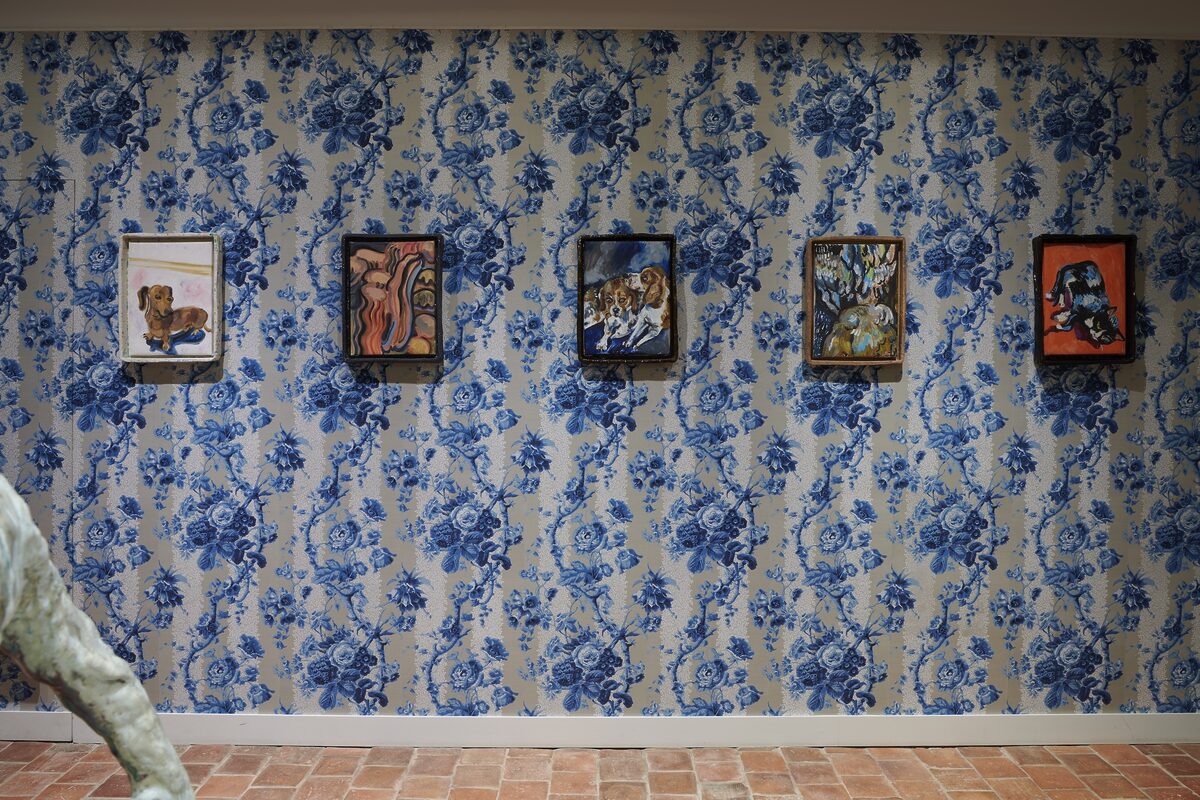
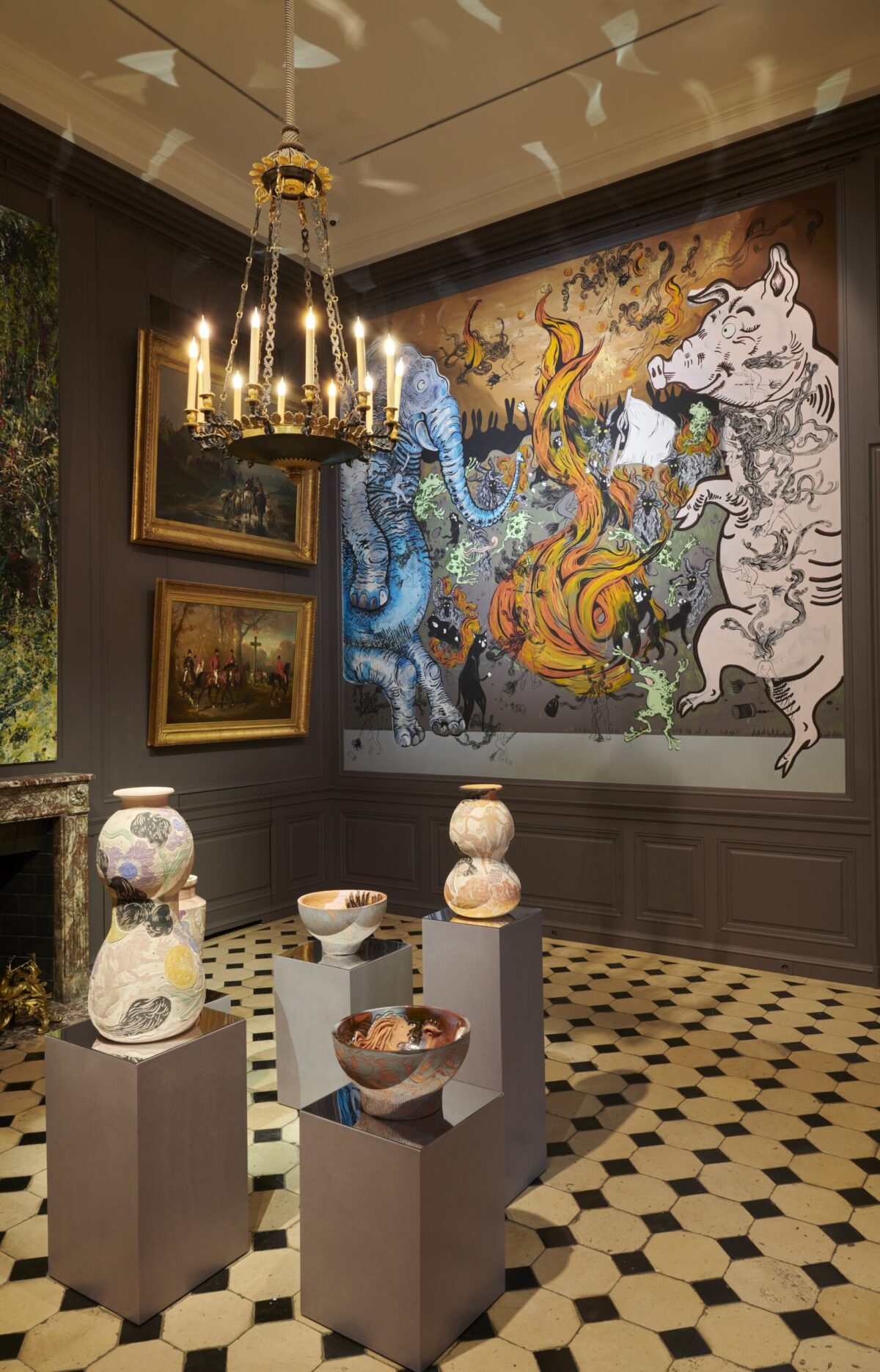
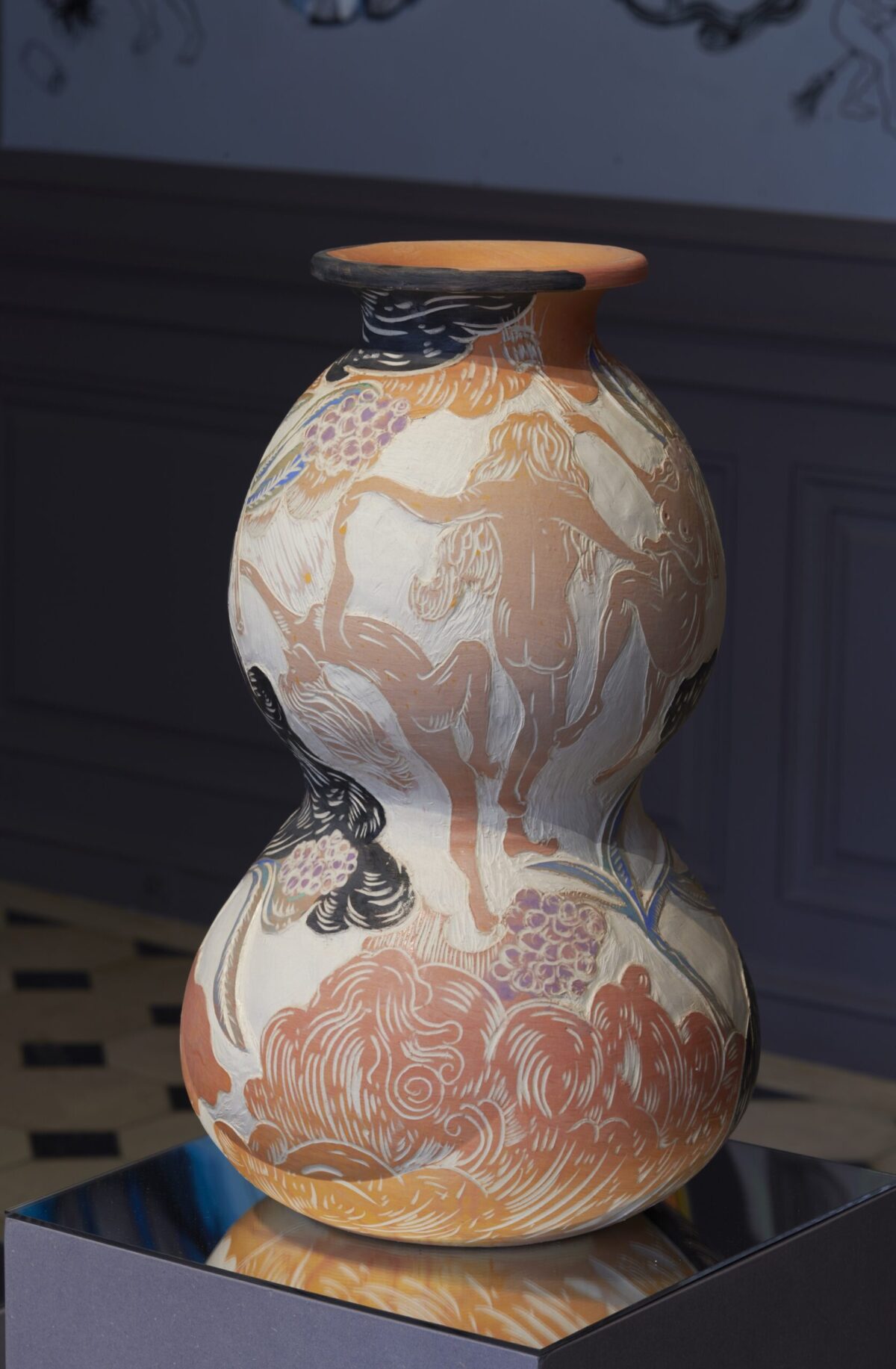
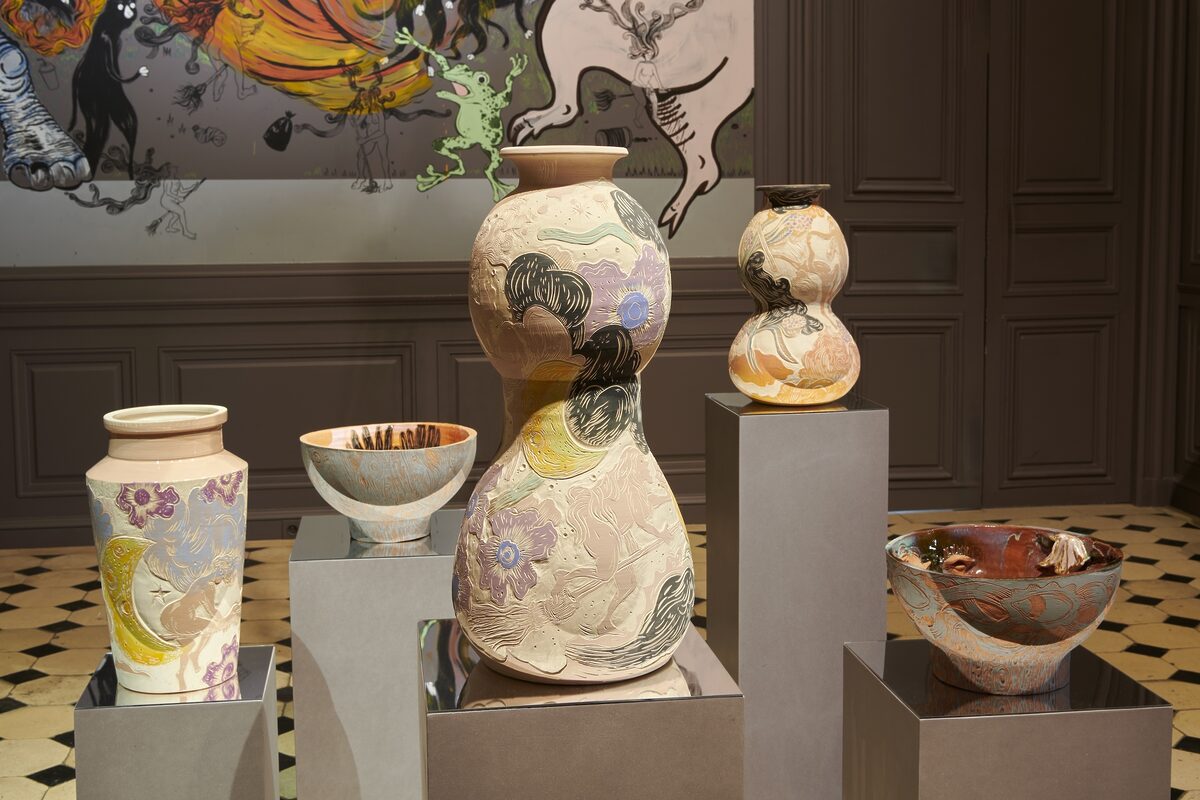



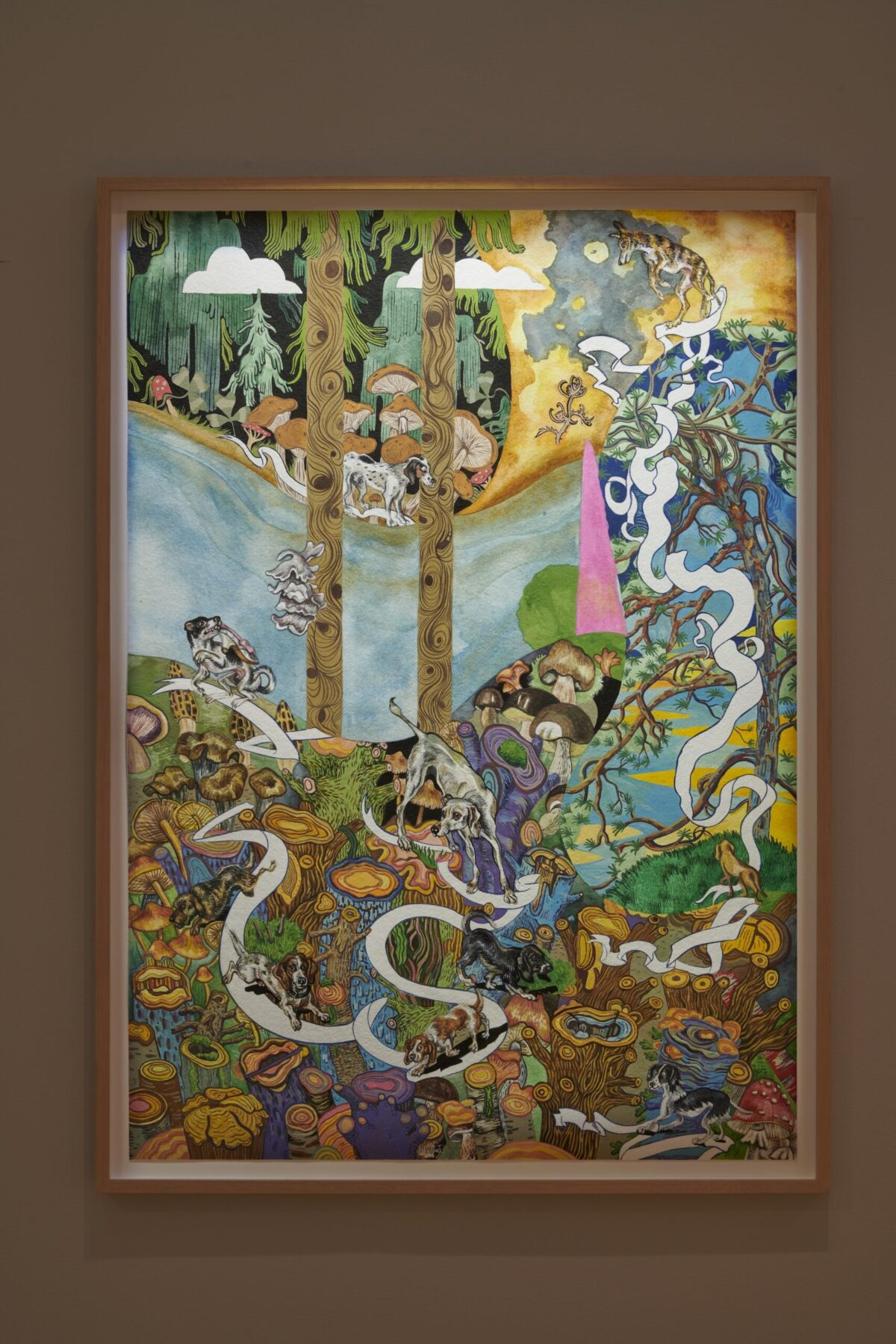
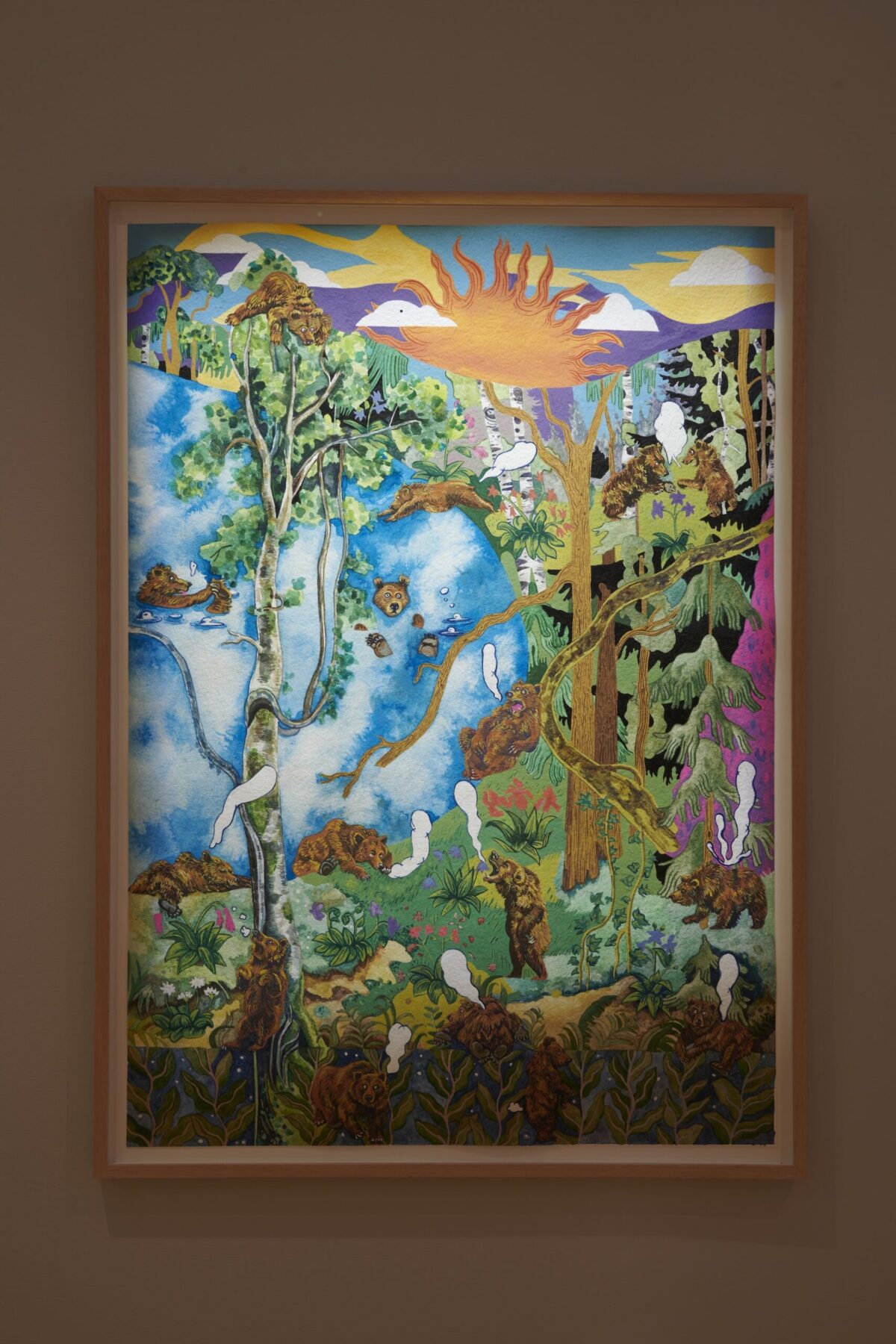
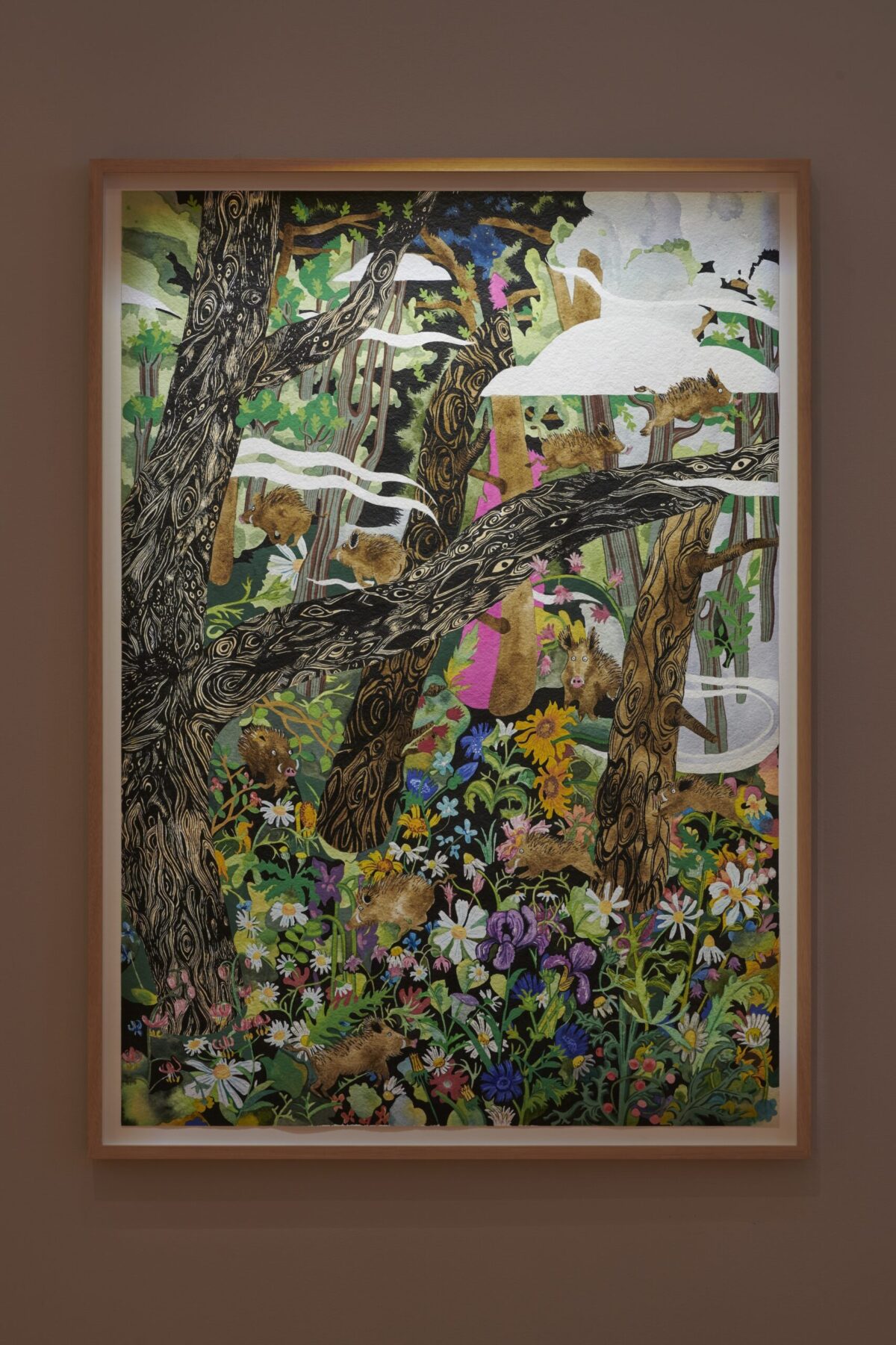

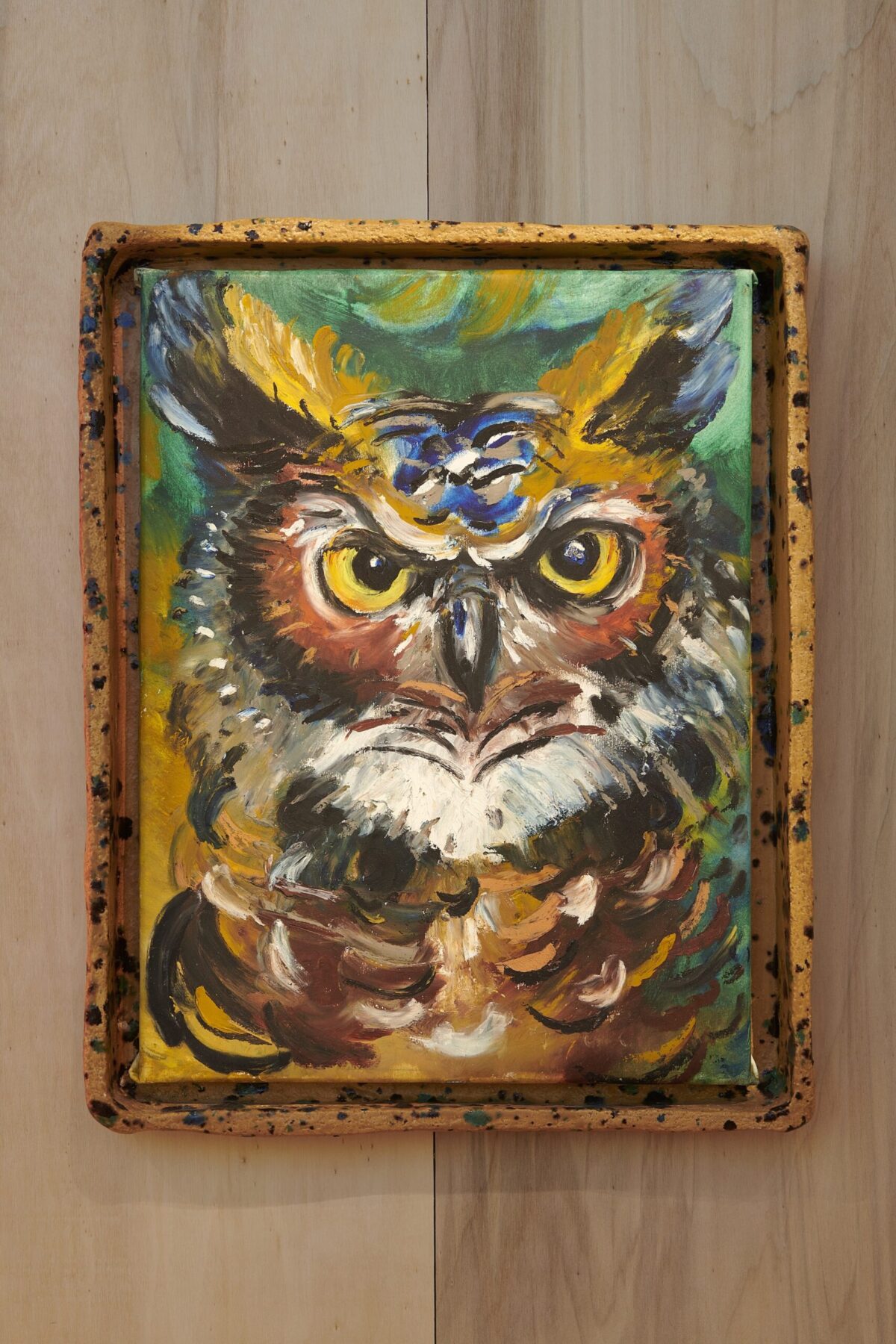

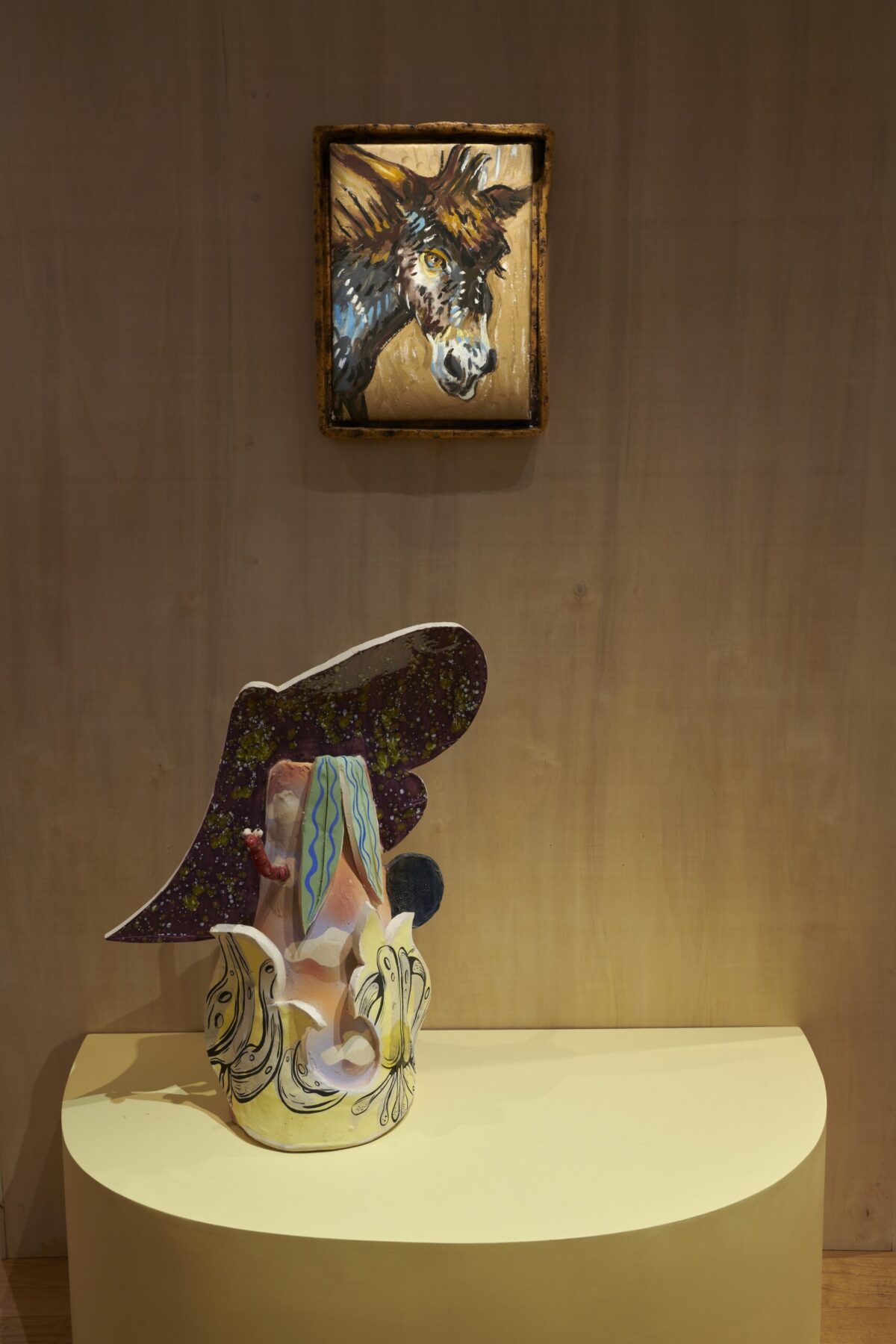
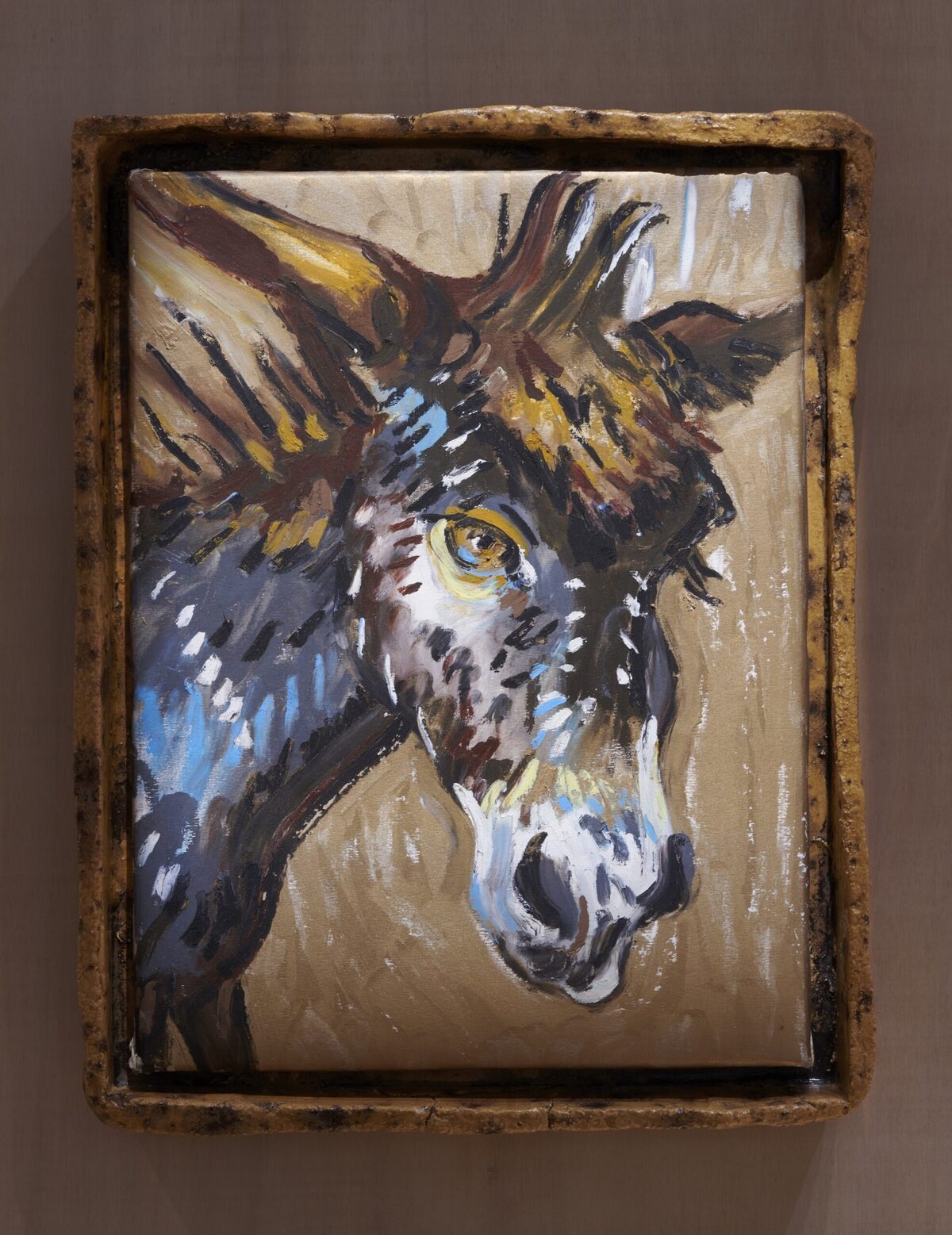
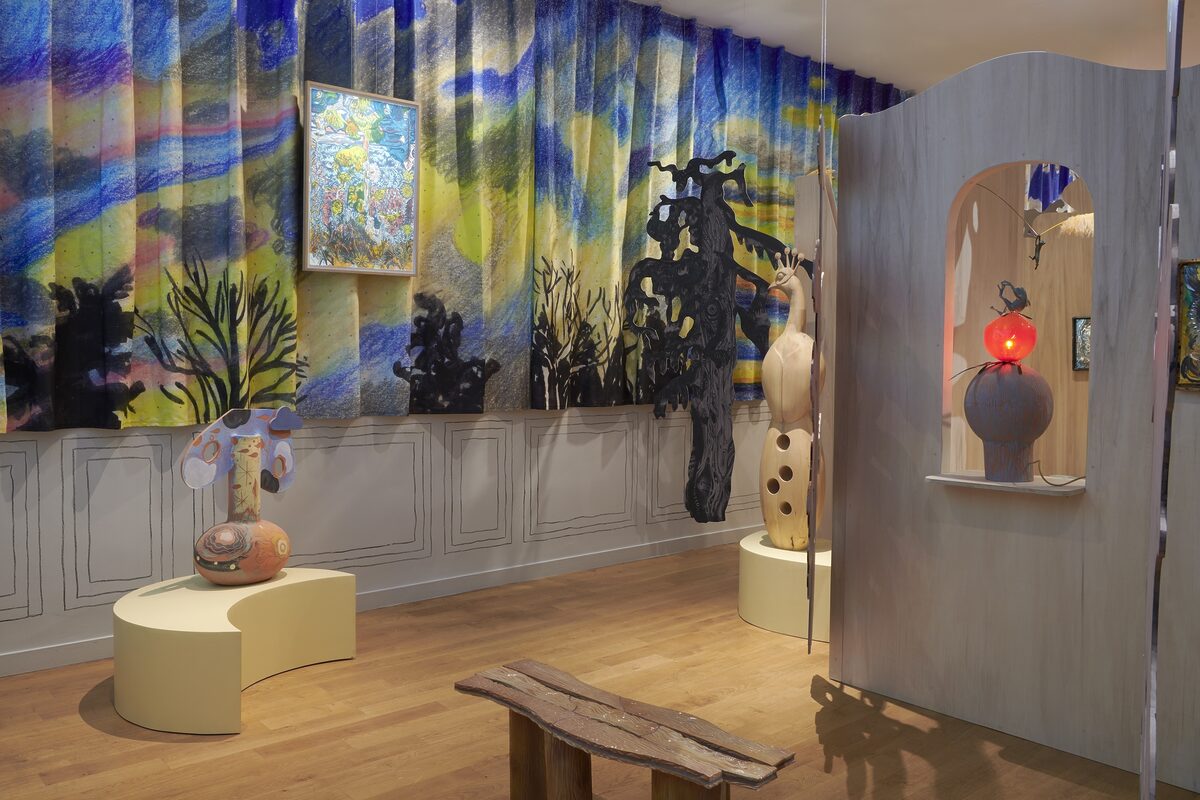
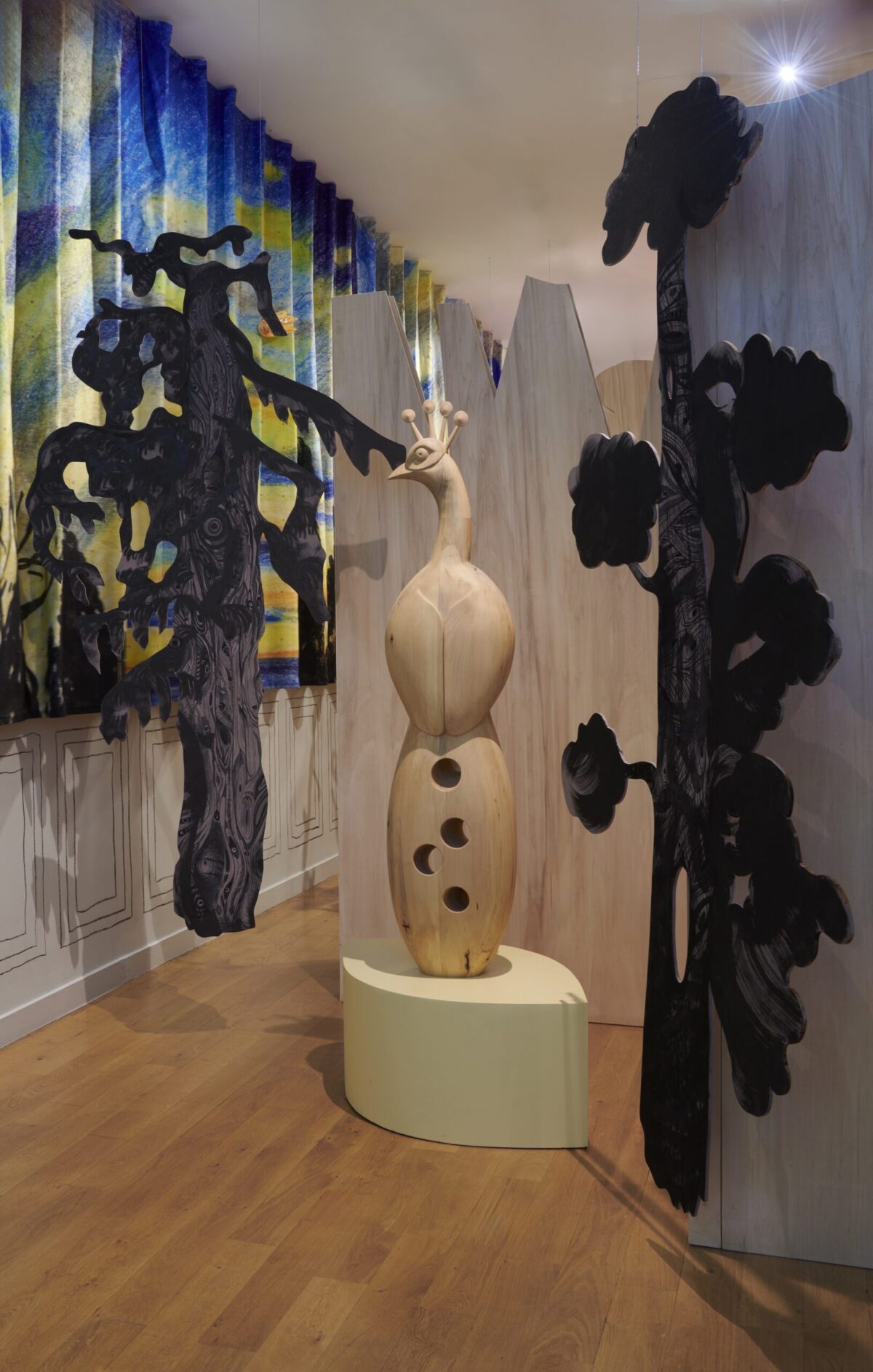

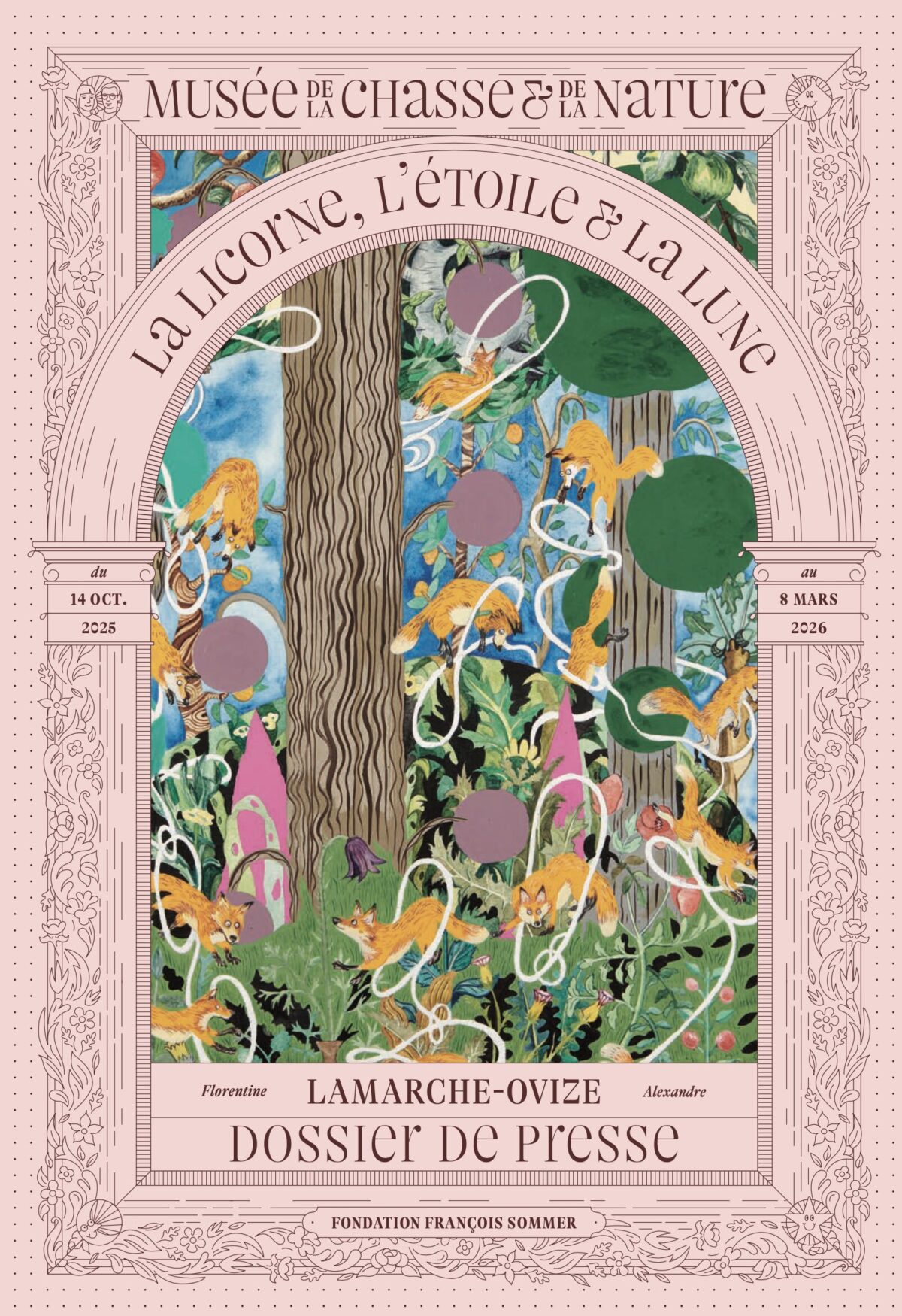
The Museum of Hunting and Nature in Paris is dedicating its a8> exhibition of autumn-winter to the duo Florentine and Alexandre Lamarche-Ovize.
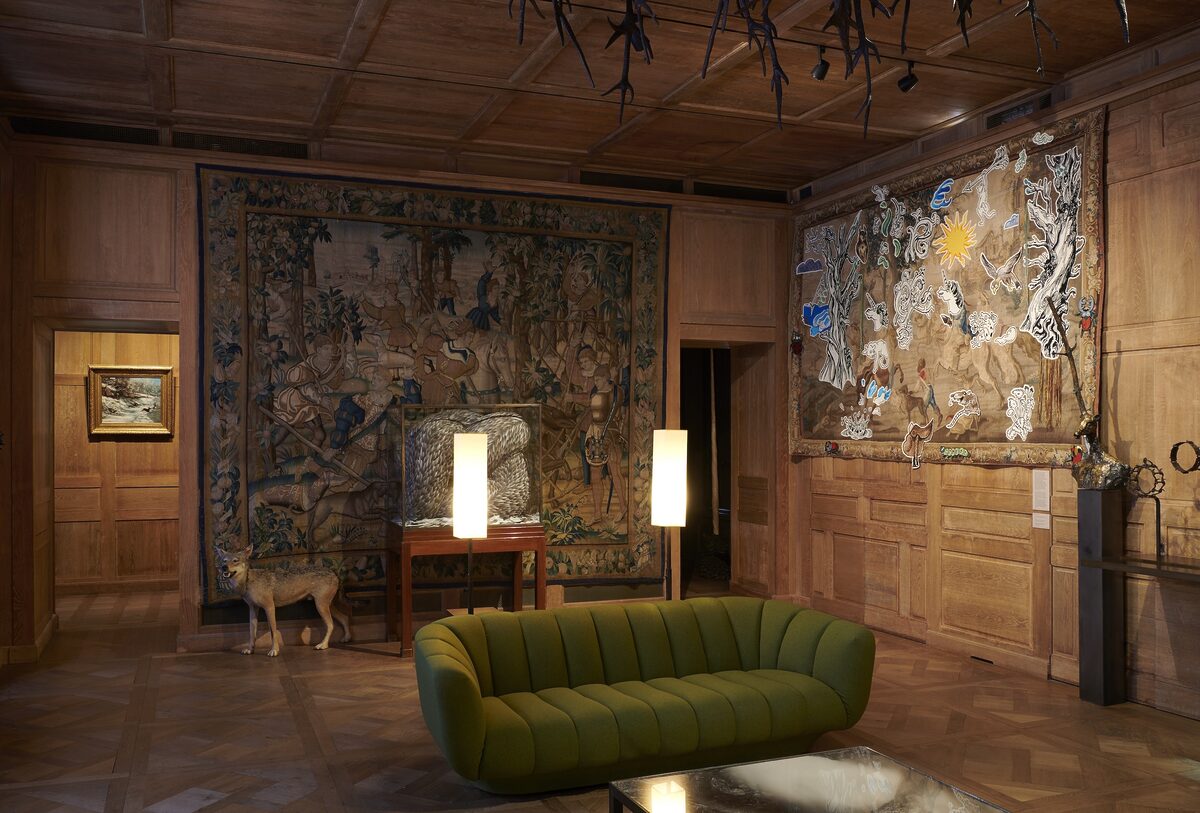
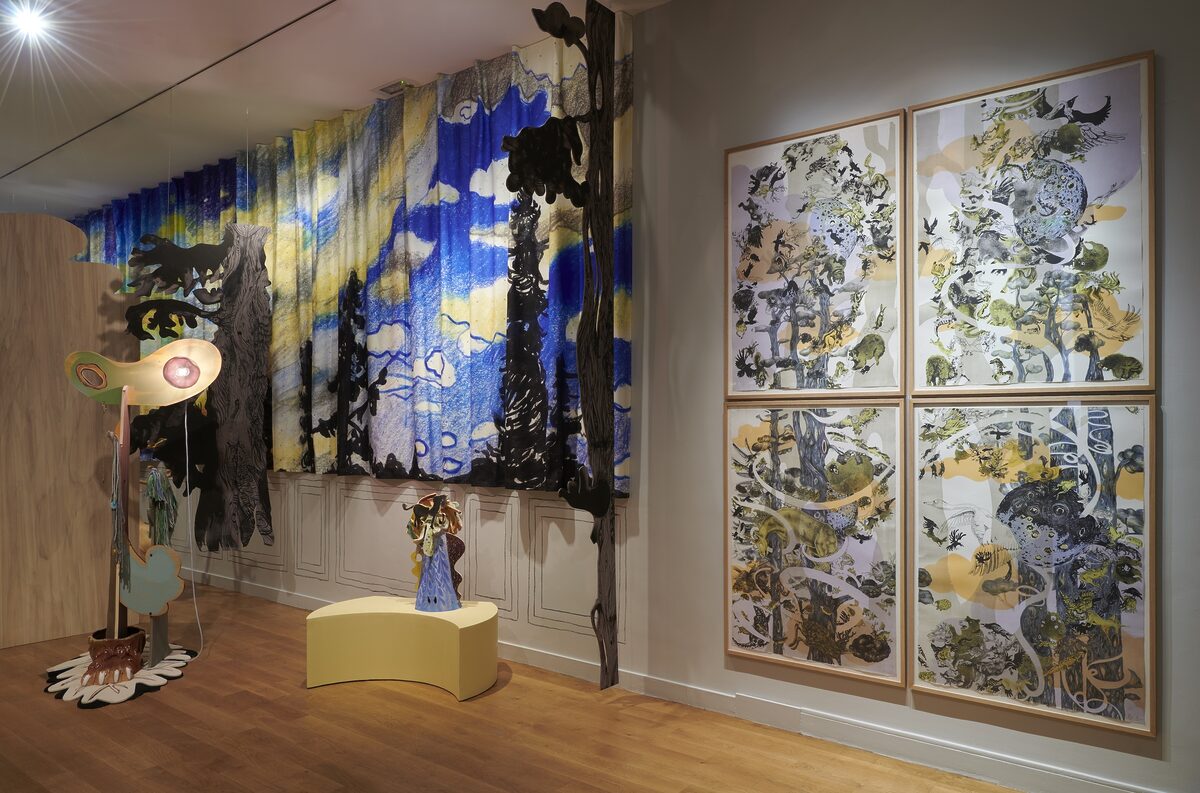
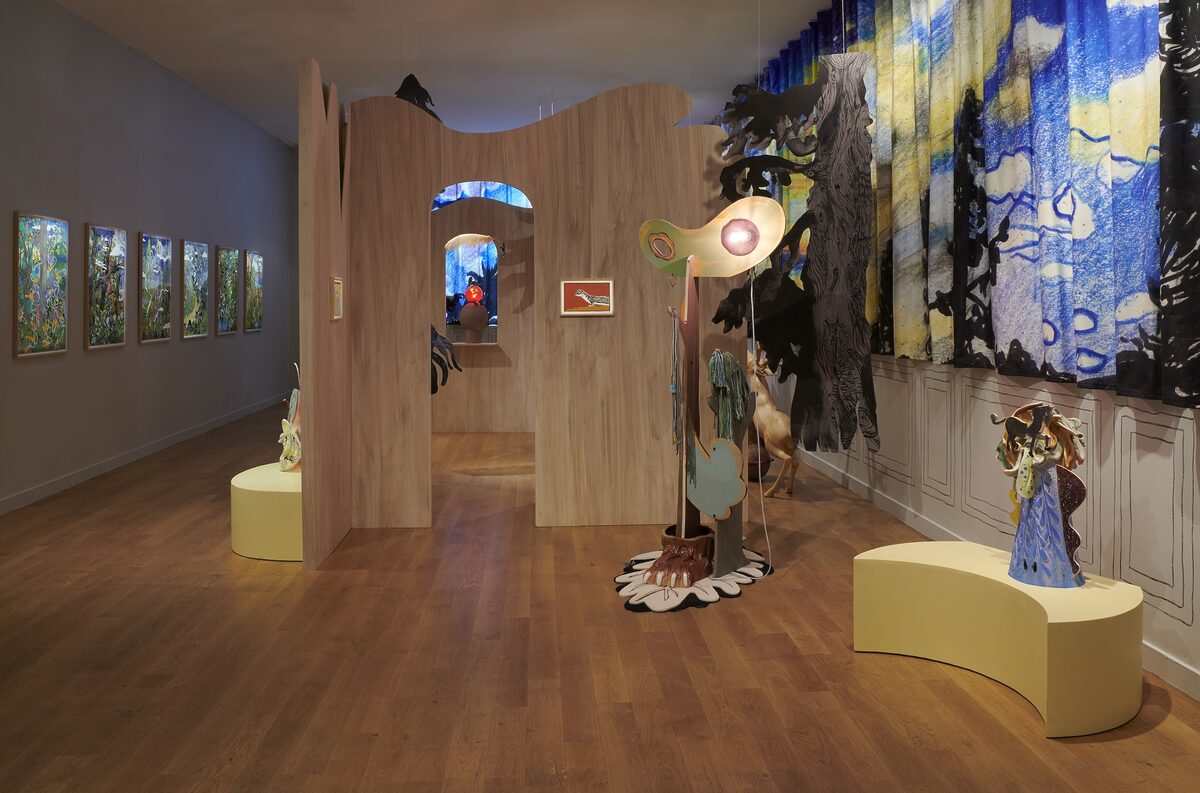
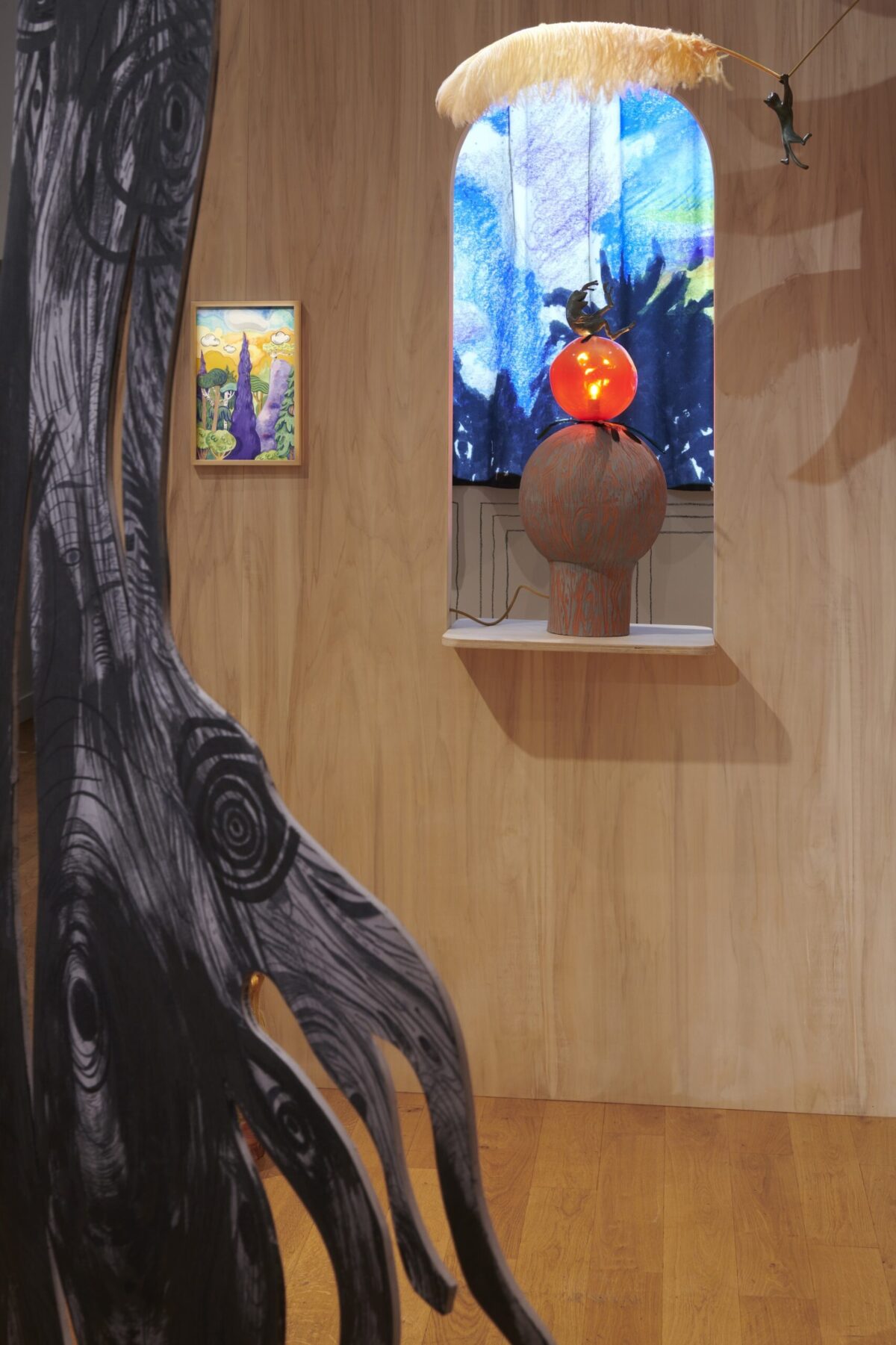
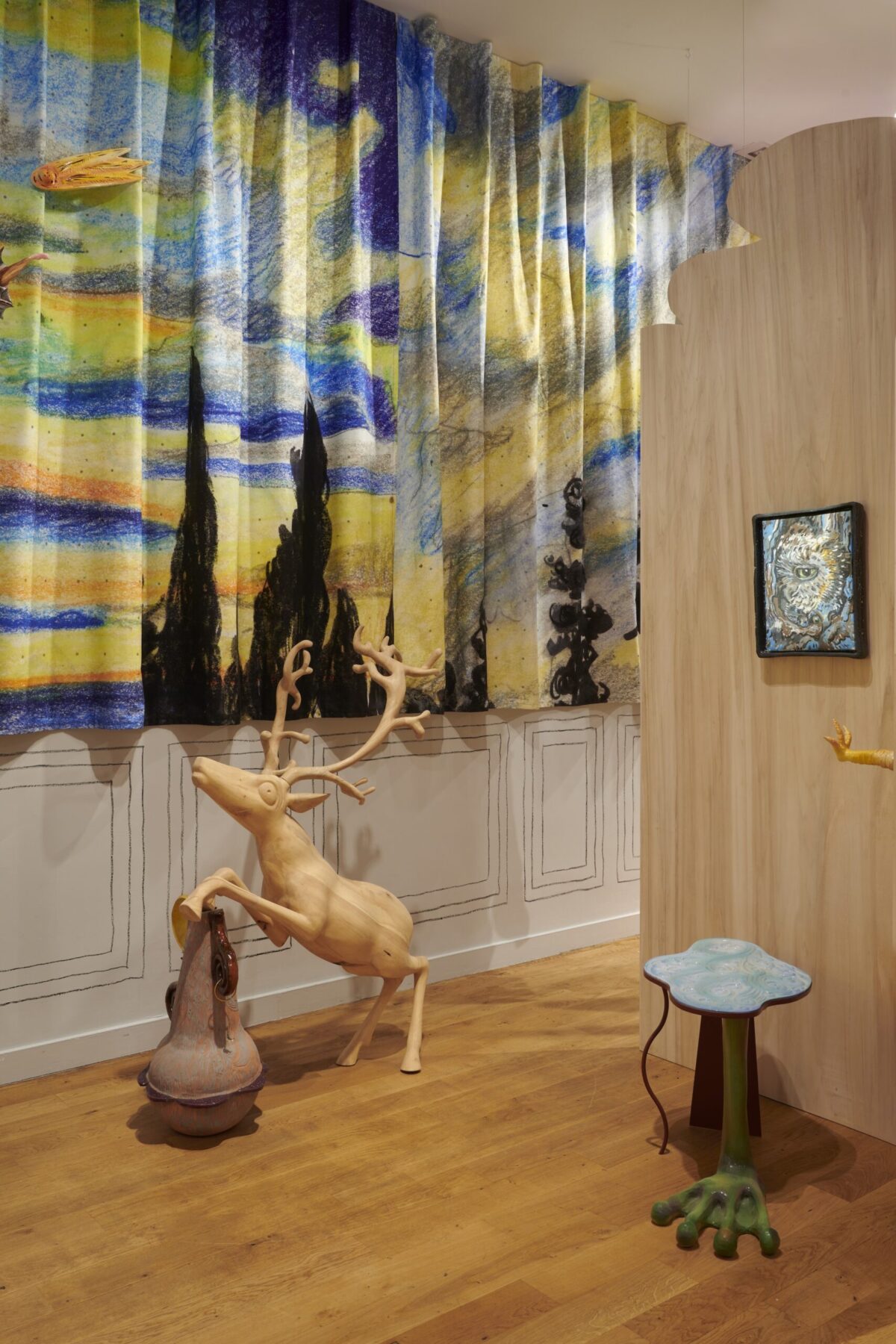
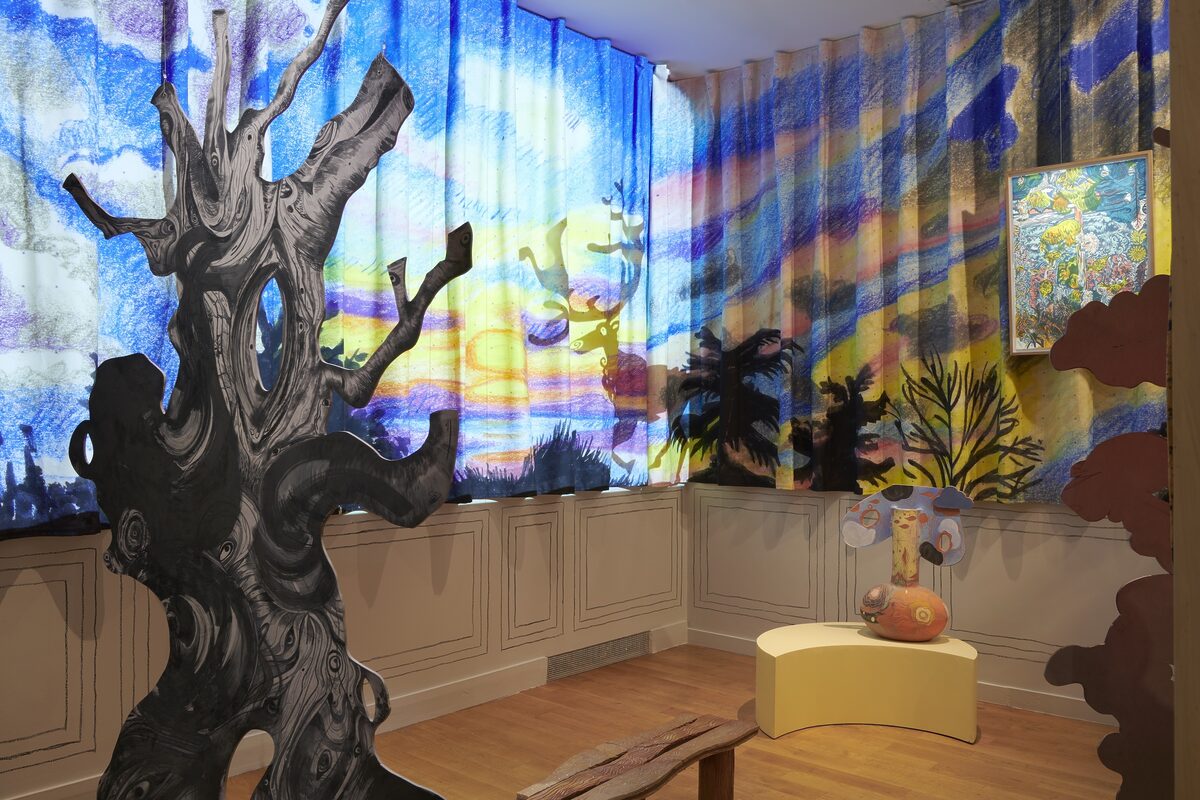
Under their creative direction, the temporary exhibition hall is transformed into an immersive space, halfway between a landscape and a domestic home. They invent an exhibition to inhabit.
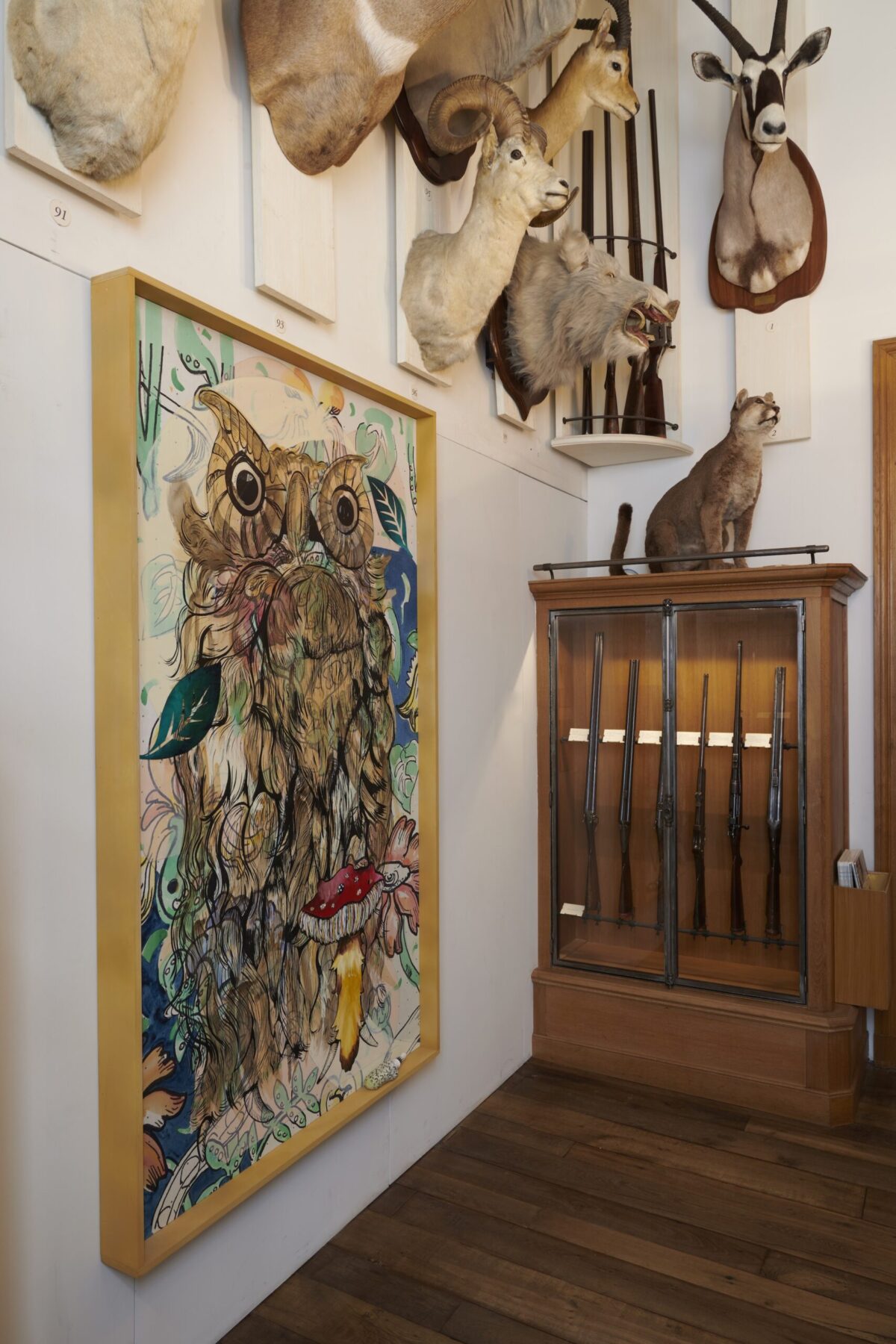
Their presence in the Museum of Hunting and Nature was evident. Regular visitors since long ago to this place, who consider it a source of inspiration, find here a natural terrain for their work. Their works, many of them unpublished, dialogue closely with the permanent collections, which cite and reinterpret through multiple loans.
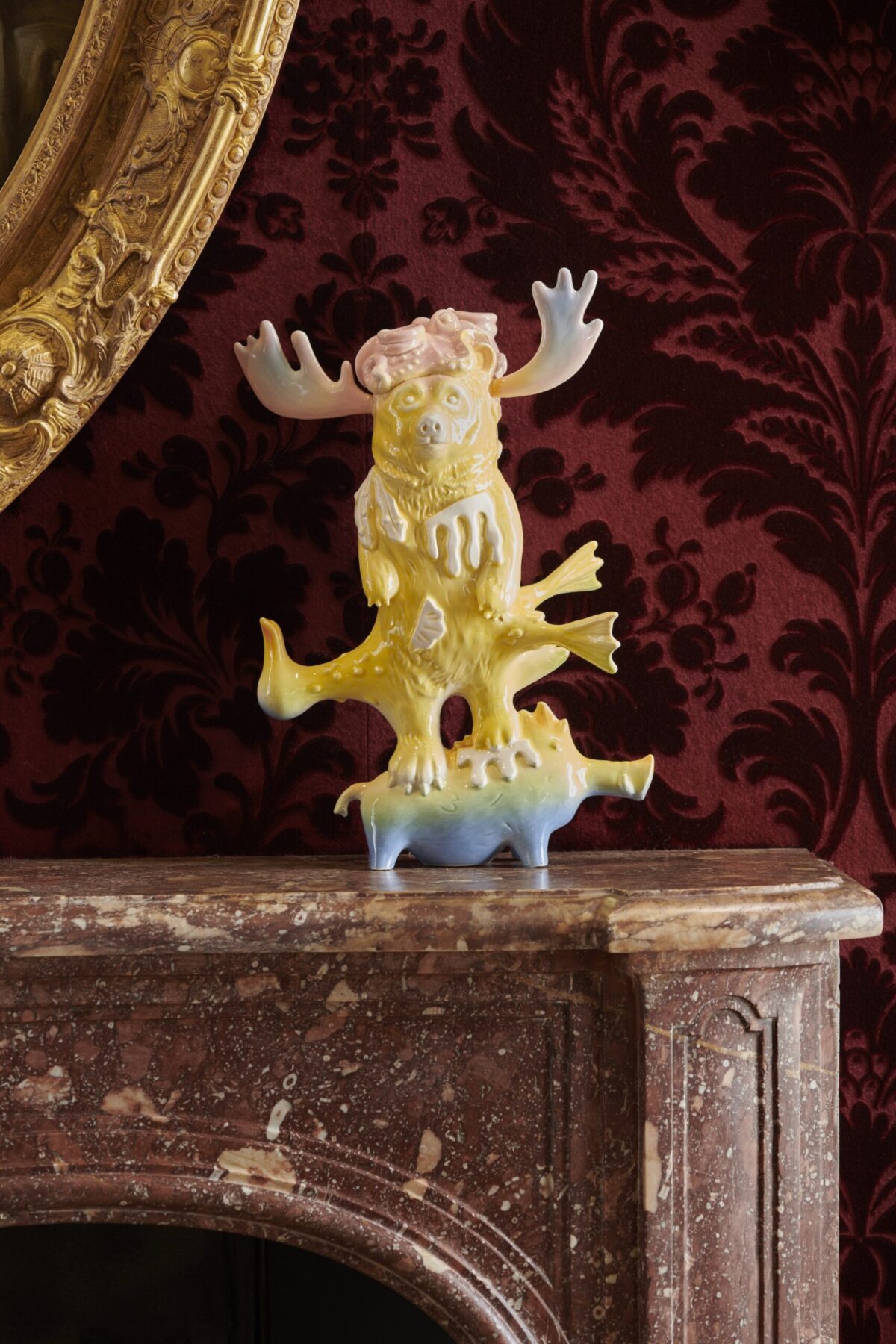
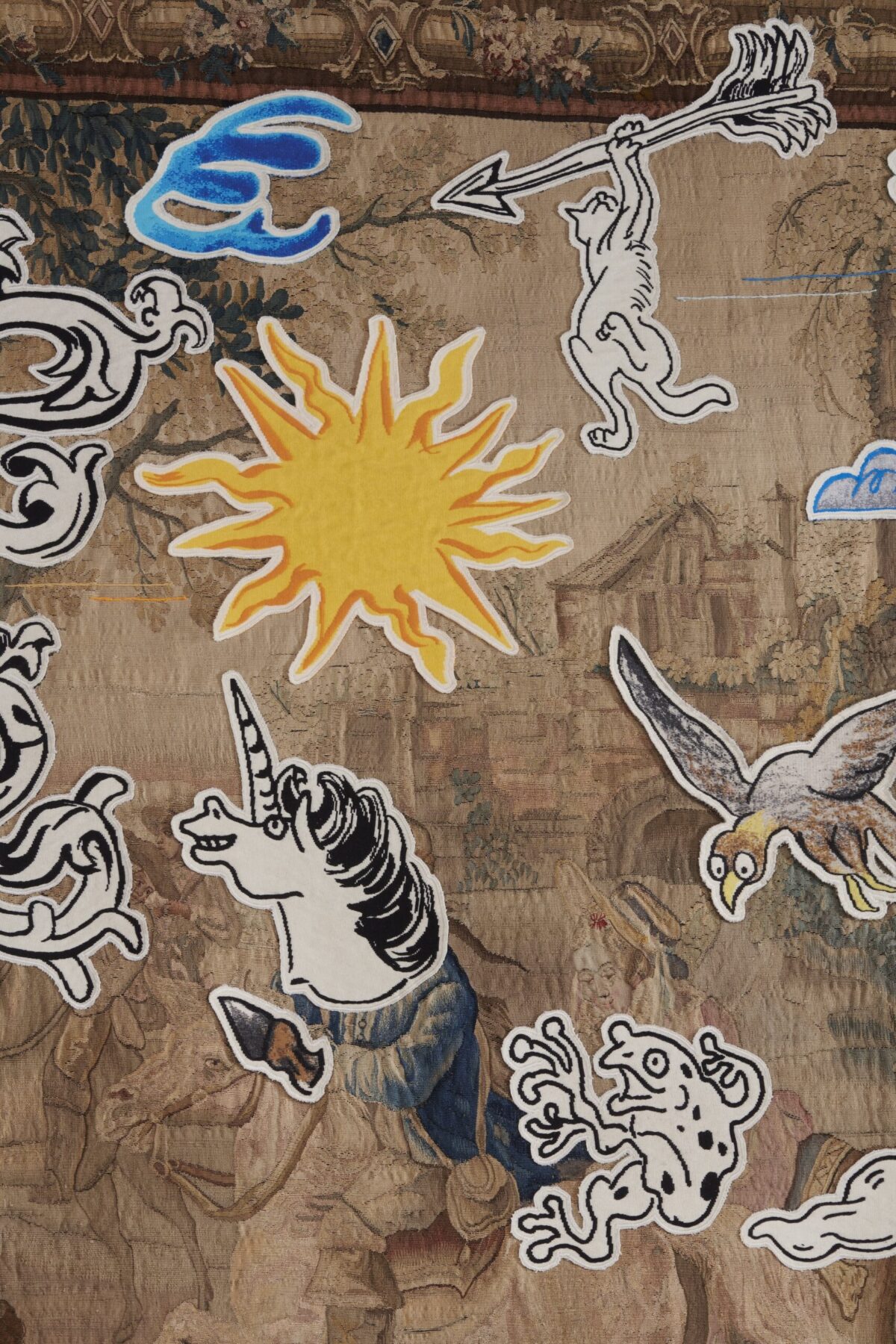
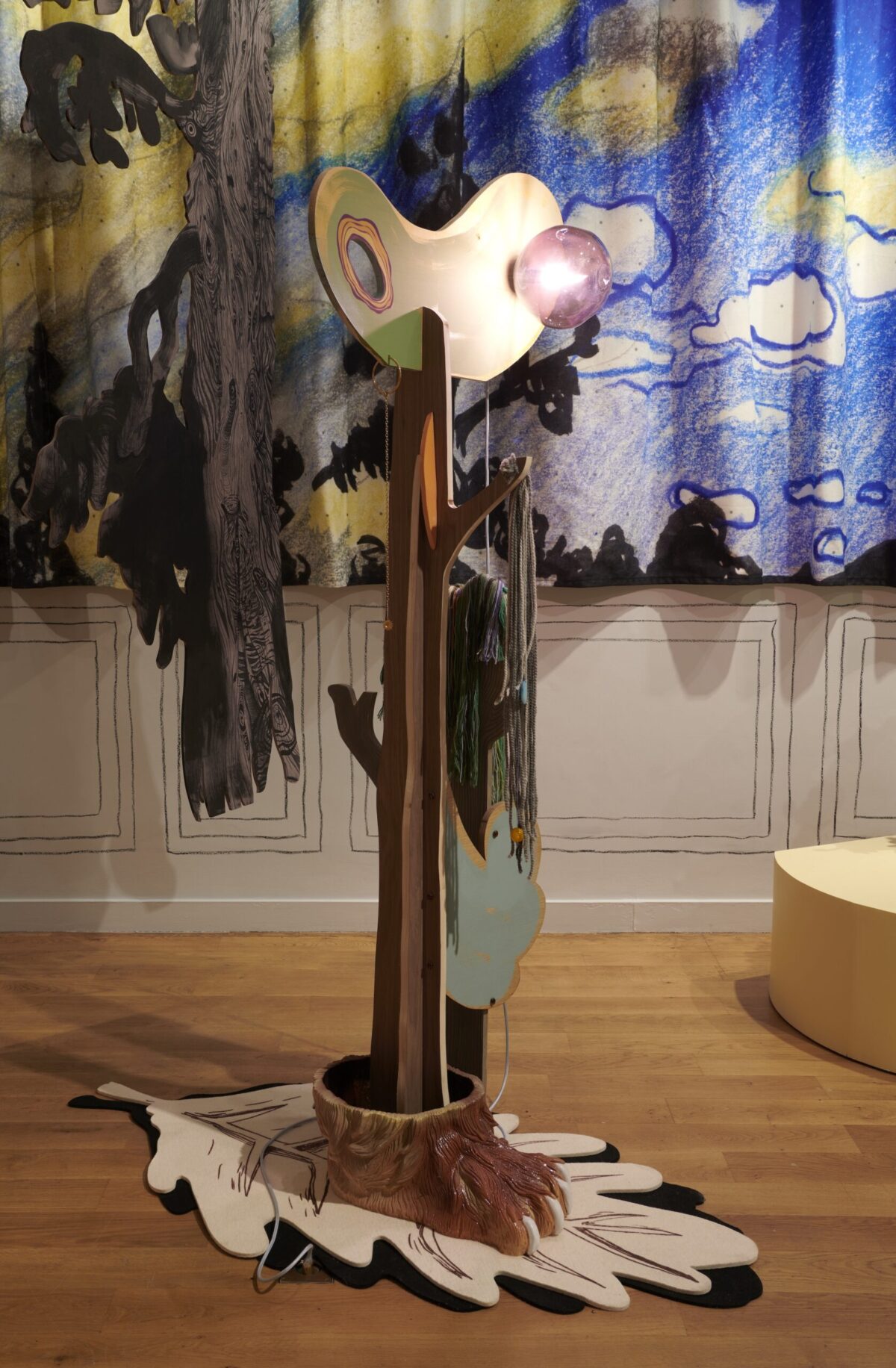
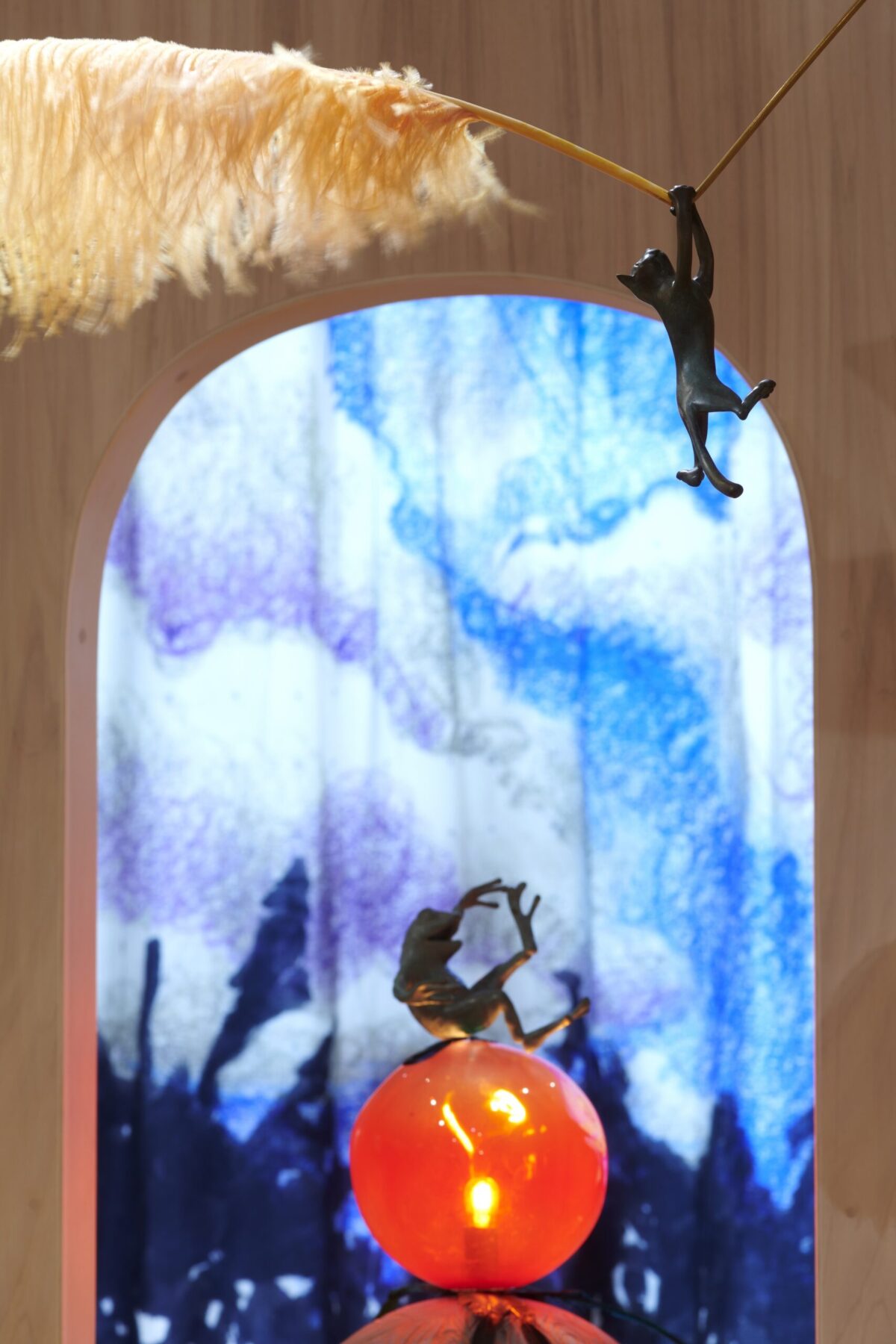
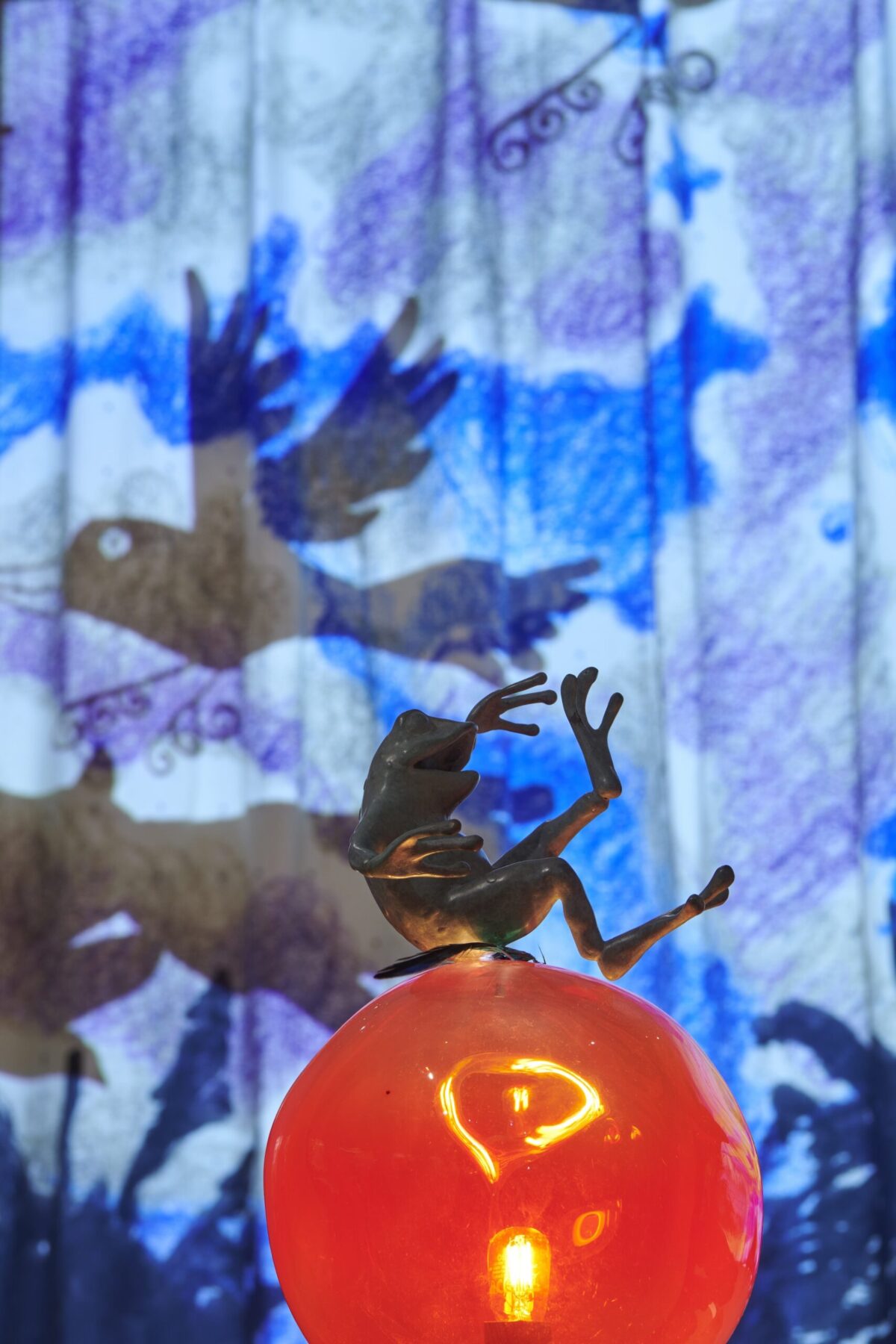
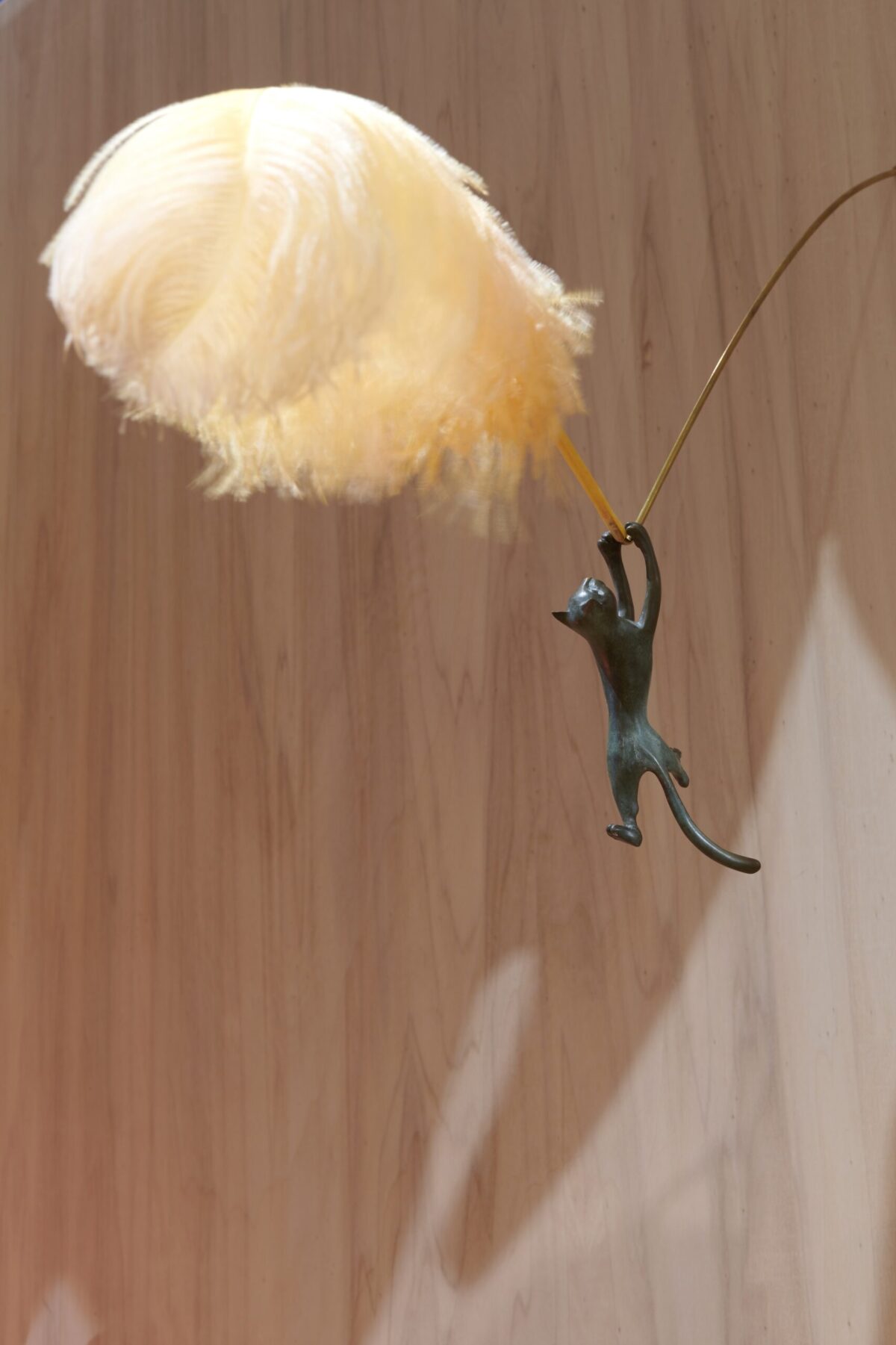
An open-air interior sky that which, when walking, invites the visitor to meet the various characters from a15> a bestiary composed of royal turkeys, deer, owls, frogs, cats, etc.
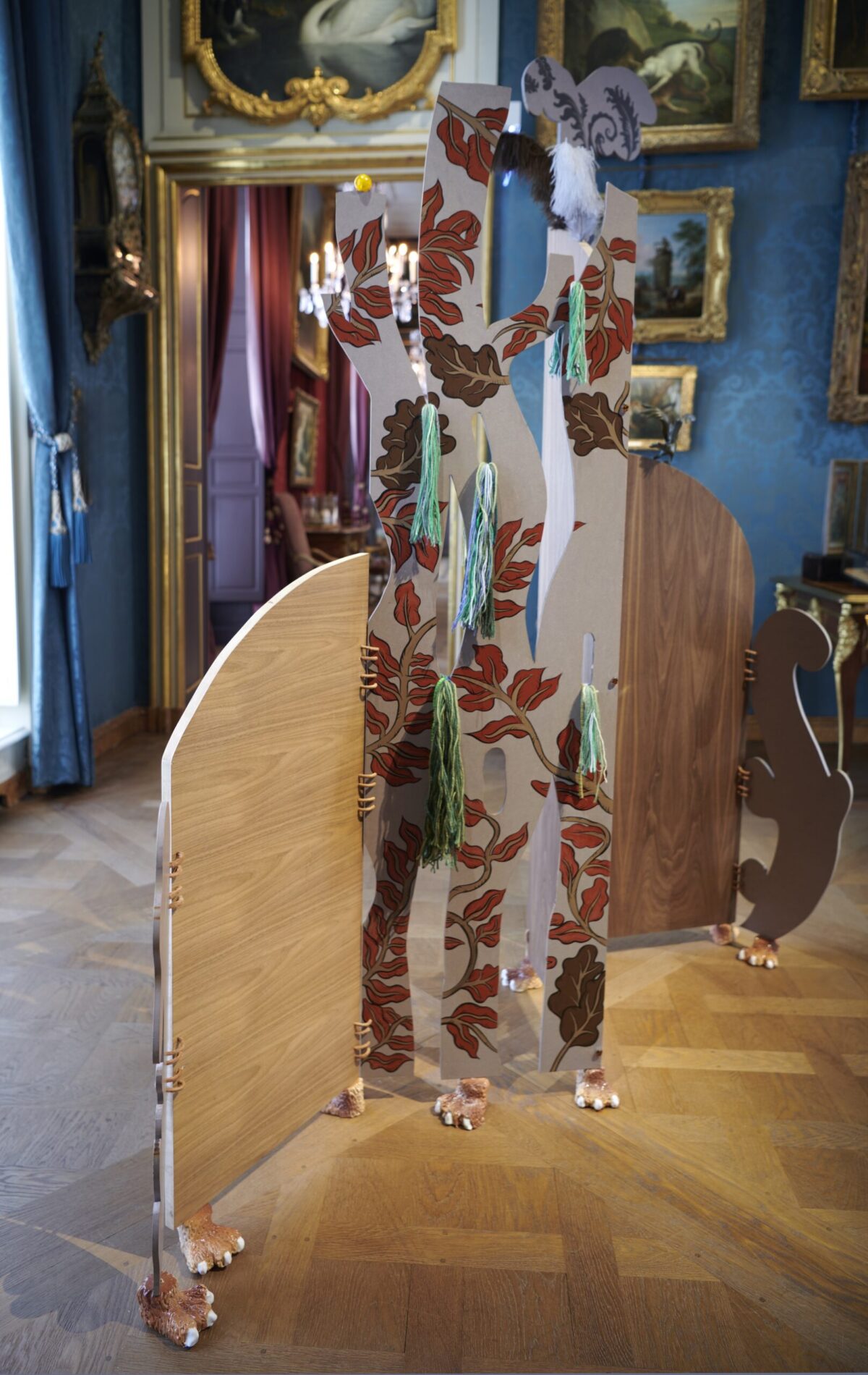
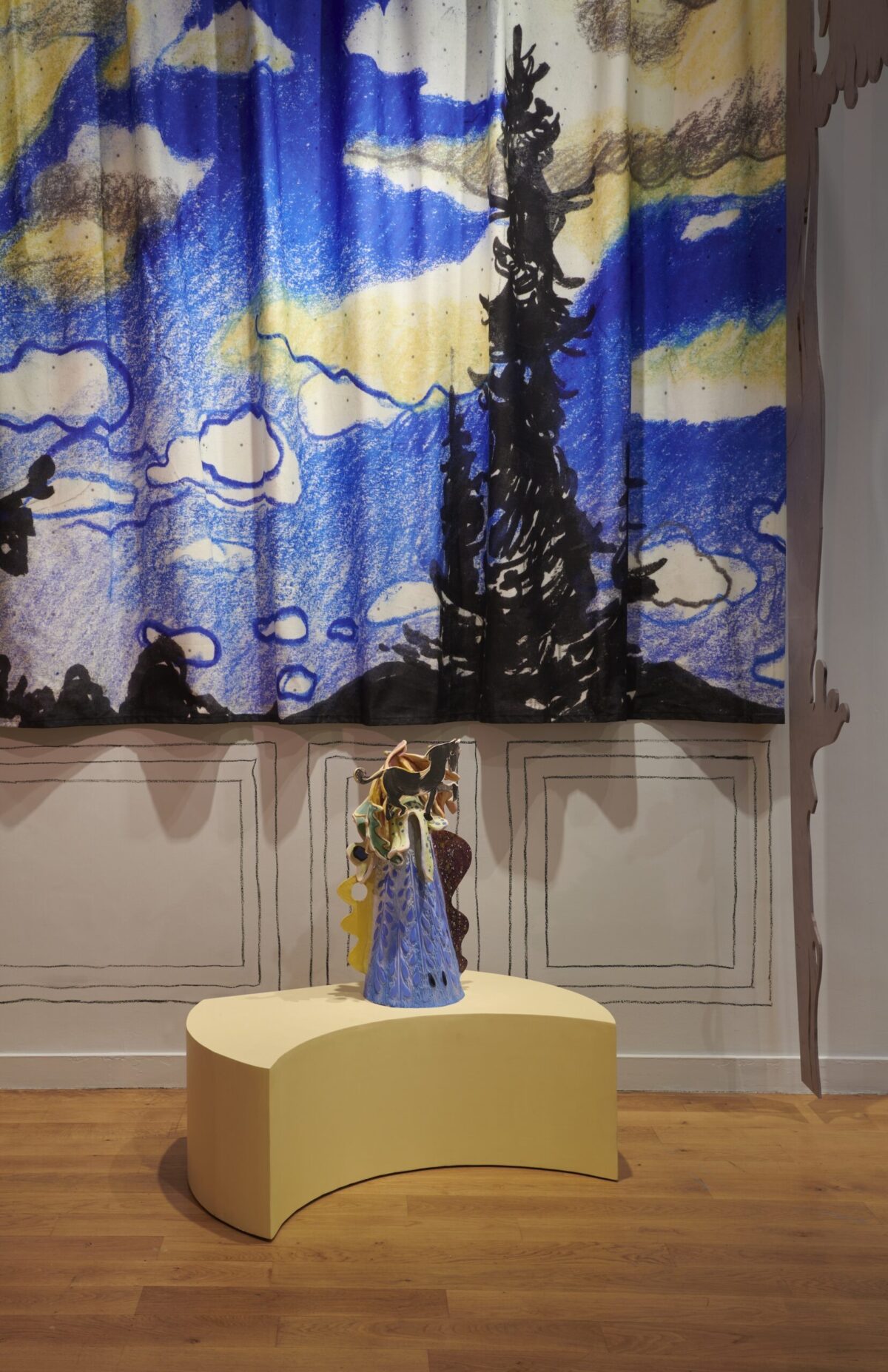
This approach dramatised marks the start of start of a more comprehensive project, which is a14> unfolds through the different floors of the museum. Conceived as a series of tributes and reinterpretations, the intervention artistic takes over the walls, the furniturethe tapestries, using the unique museography of the Museum of HuntingNature as a domestic space to extend.
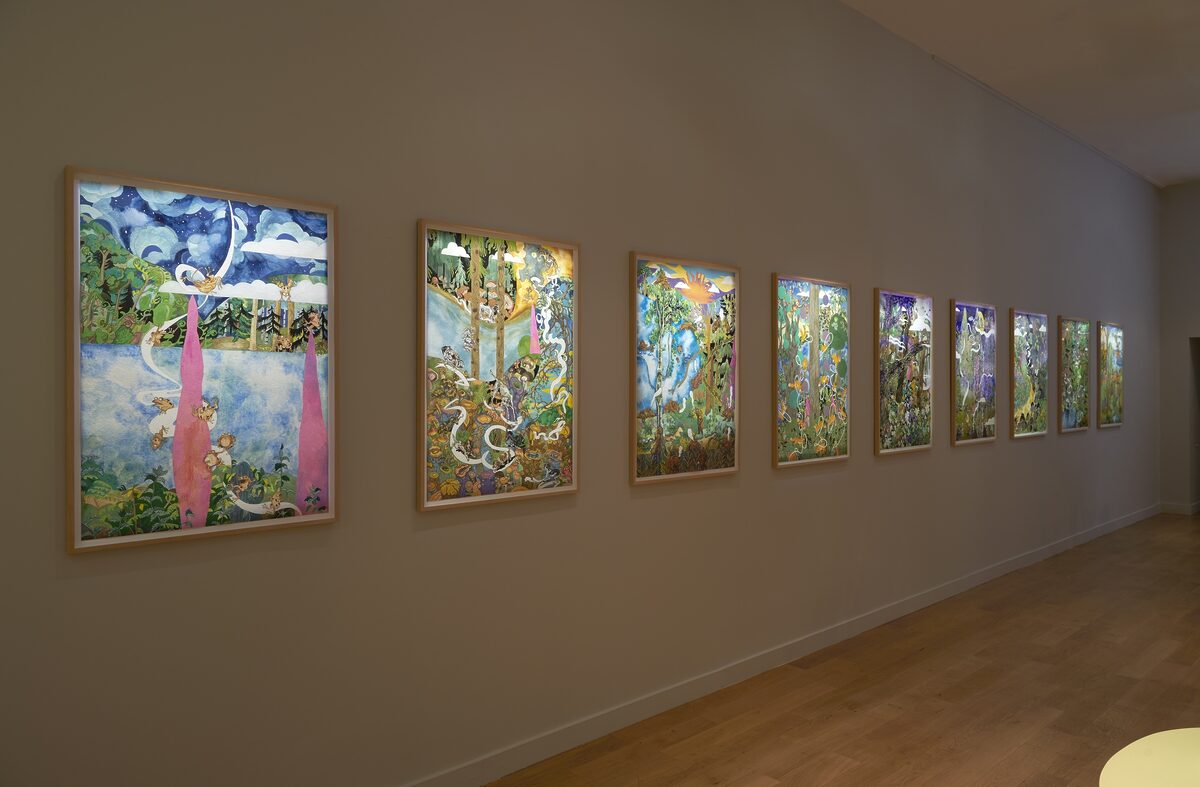
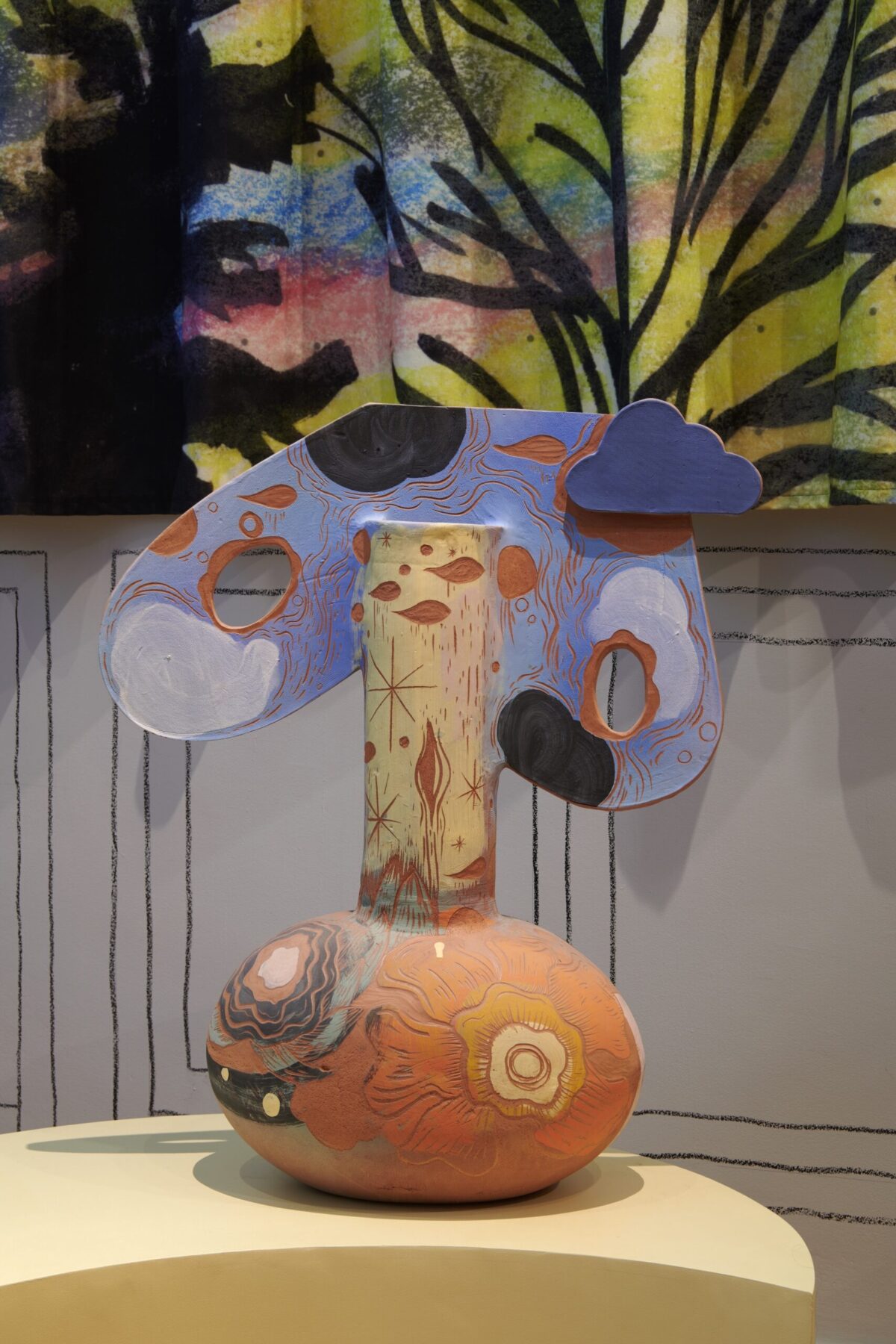
Among works never before seen created for the museum, loans and pieces emblematic of their career, Florentine and Alexandre Lamarche-Ovize play with the themes of the museum, establishing a dialogue between ornamentation, portraiture, statuary and trophies.
For this exhibition, immersive environments are constructed in which each room is transformed into a microcosm becomes a microcosm inhabited by animals, hybrid figures and abstract forms. The exhibition transports the a visitor to a universe poetic in which the imagination is becomes the place of encounter between humans and non-humans.
Largely inspired by the medieval period and, in particular, by the Bestiaire dʼamour, a prose work by Richard de Fournival written around 1245, the artists weave narratives that question our relationship with other species. How can we build relationships of otherness based not on domination, but on respect, mutual aid and affection?
Among the figures that populate this symbolic universe, the motif of the witch —archetype of marginality persecuted, often linked to nature, to animals, to lunar and feminine forces — enters the work of the artists. This figure, which evokes both the imaginary of the hunt for witches as well as the of the trials of animals in the Middle Agesis included in the bestiary of the exhibition as a critical counterpoint to the traditional representations of power and domestication.