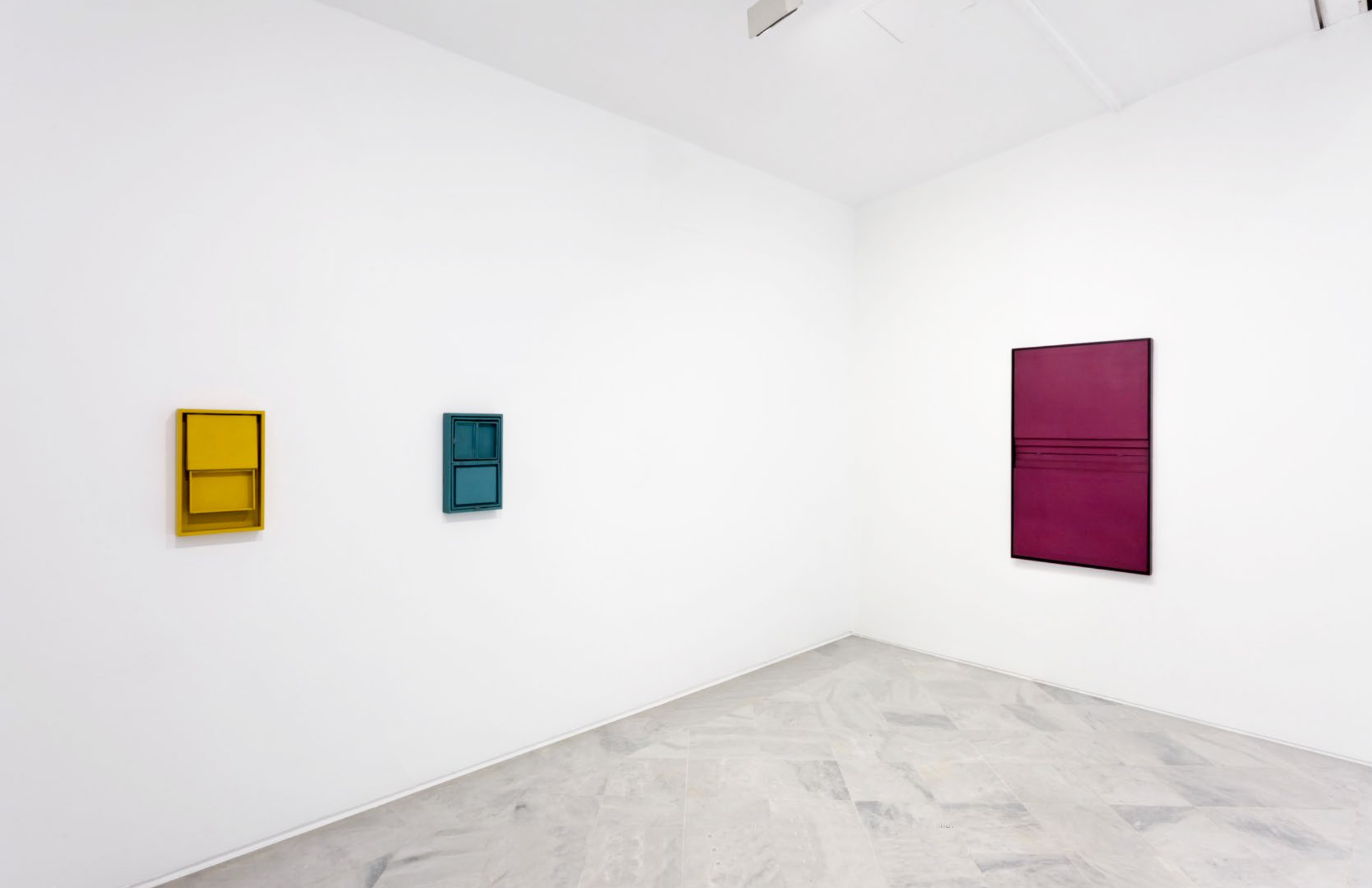

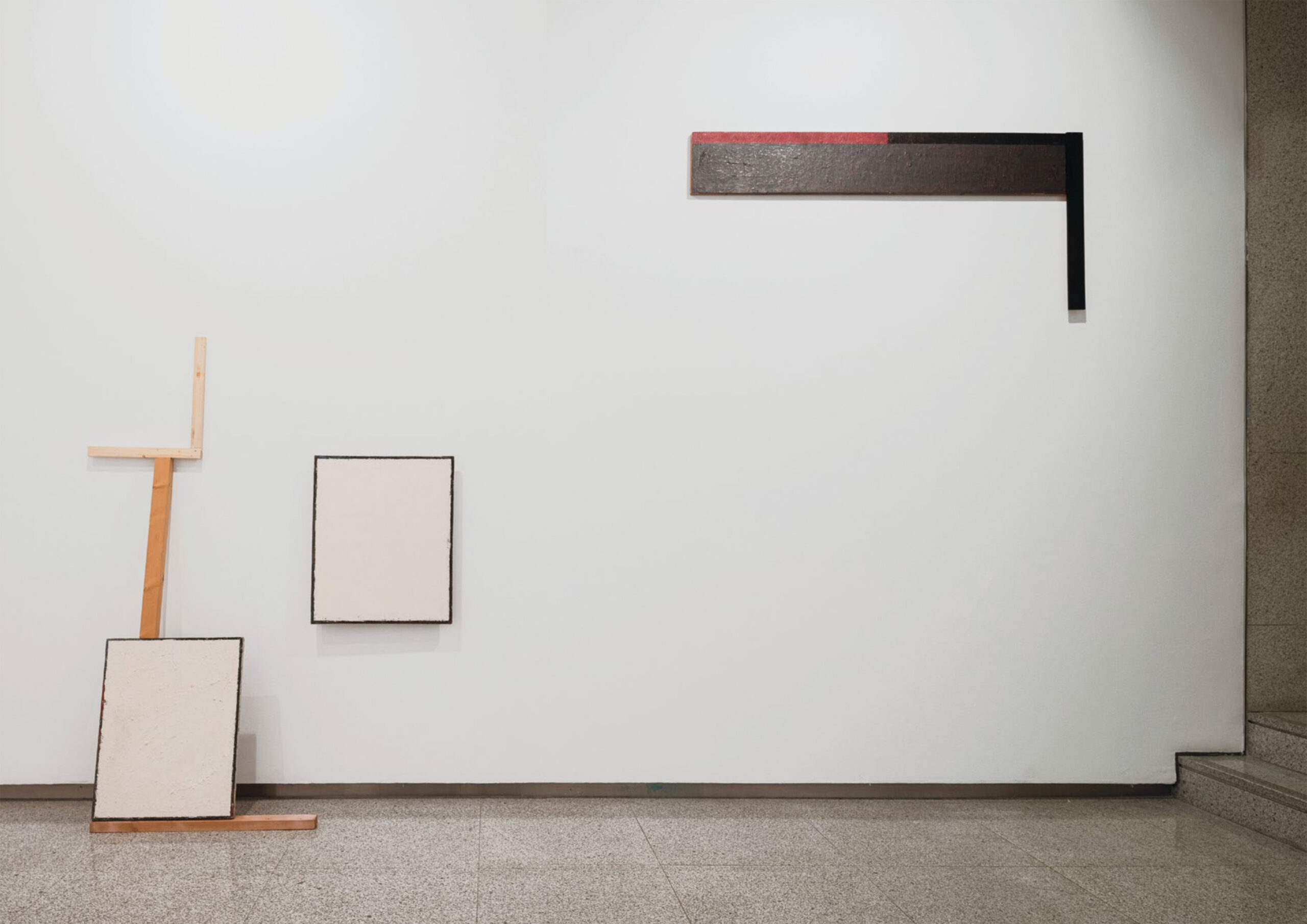
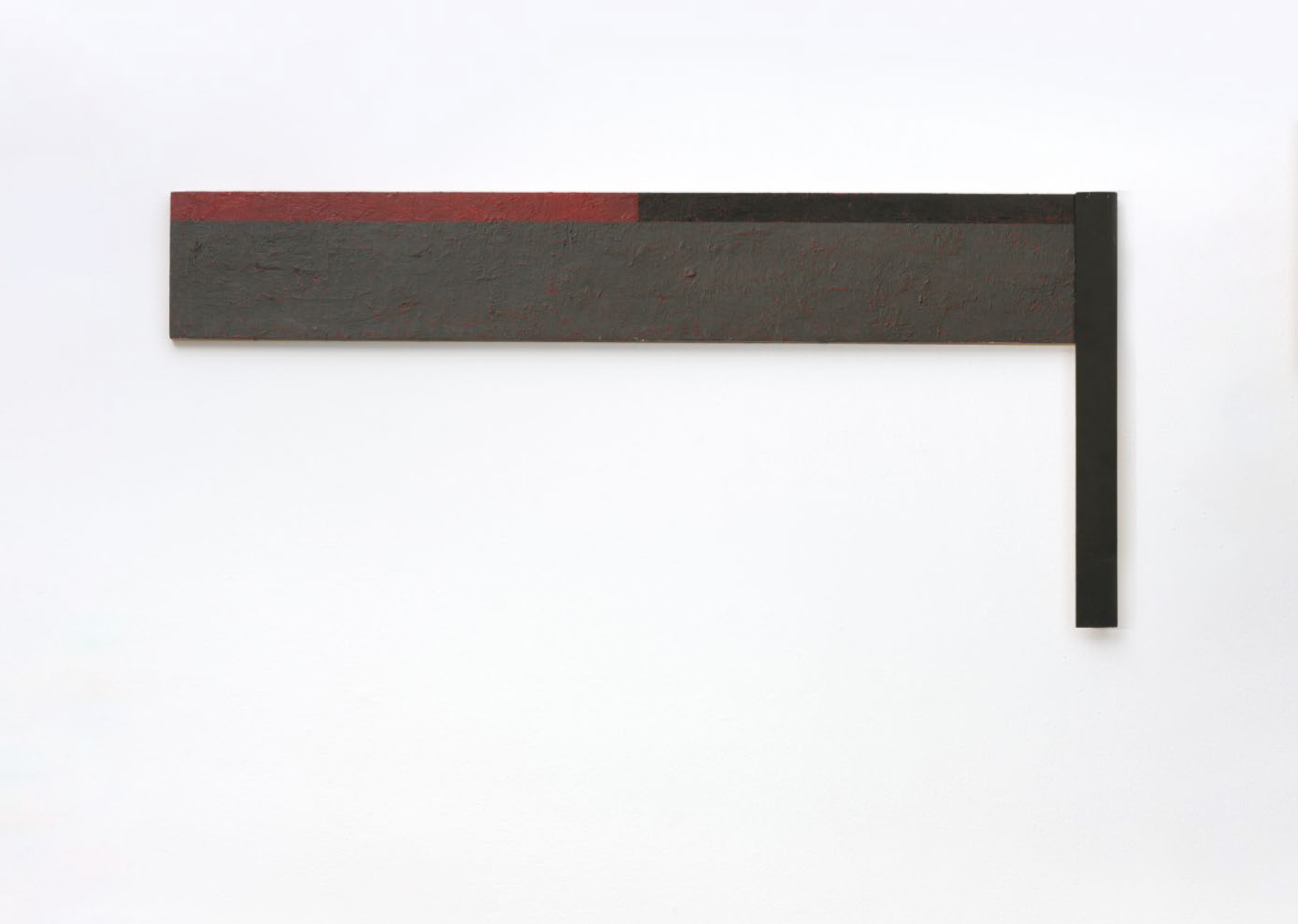
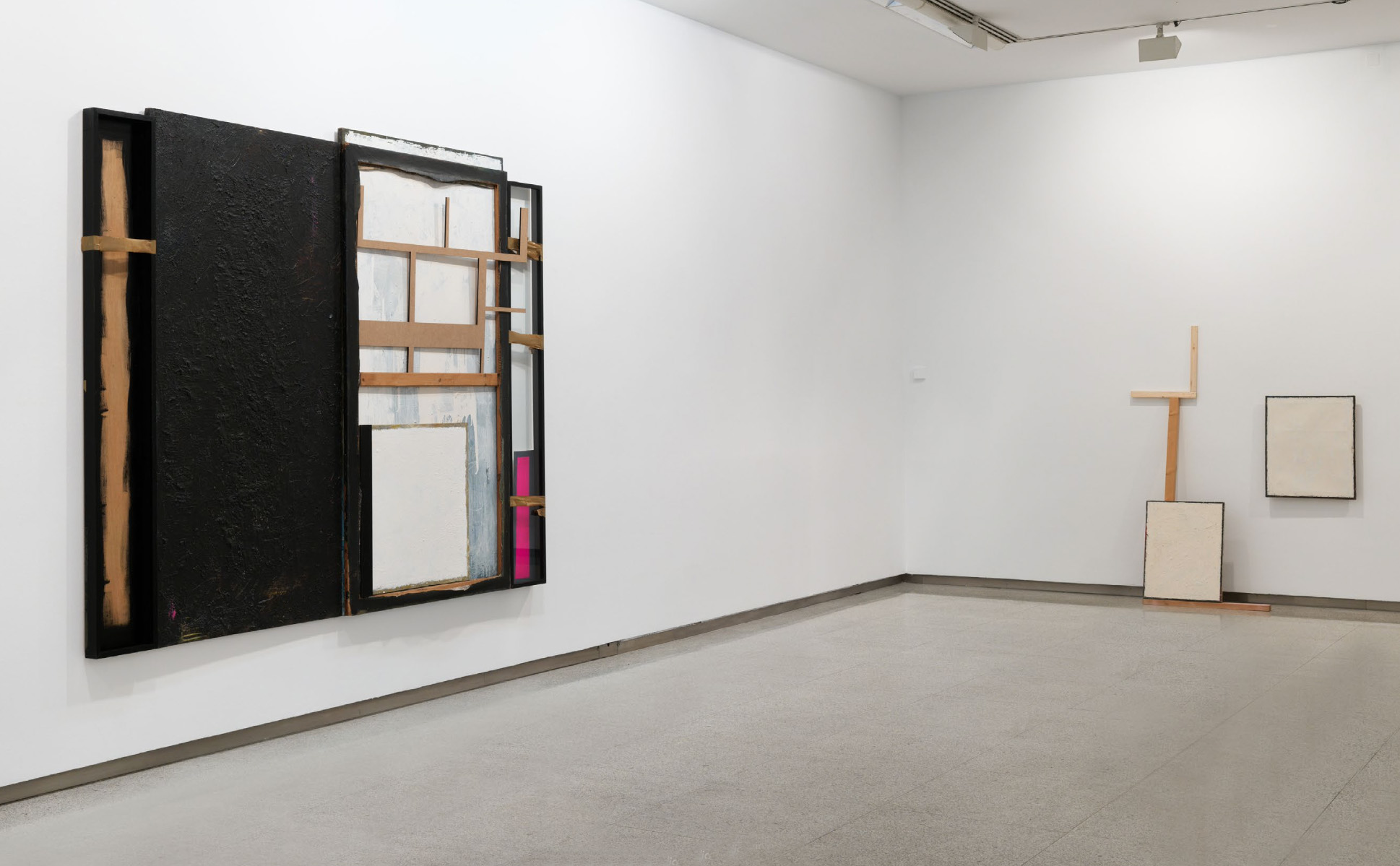



Born in Puerto de Santa María, Cádiz (1946), he lives and works in Seville, Spain.
He studied at the School of Higher Technical Education in Architecture of the University of Seville and at the School of Fine Arts (Sevilla).
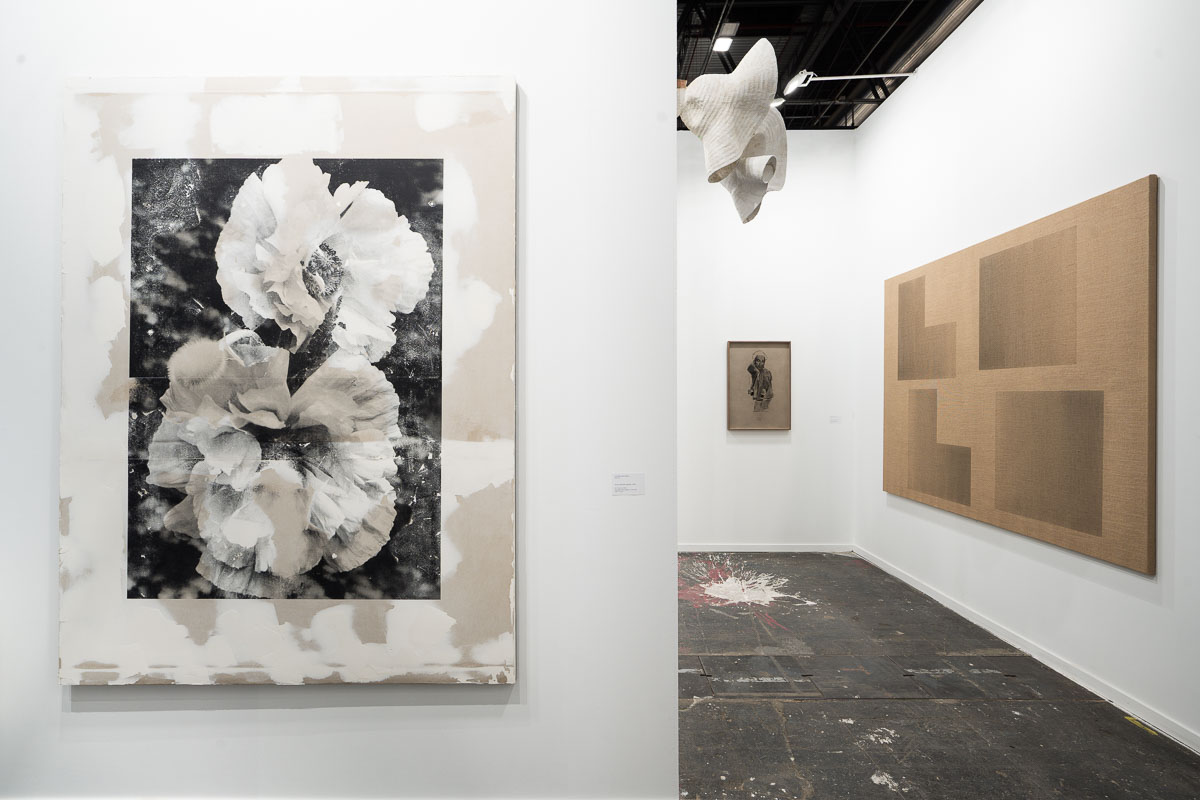
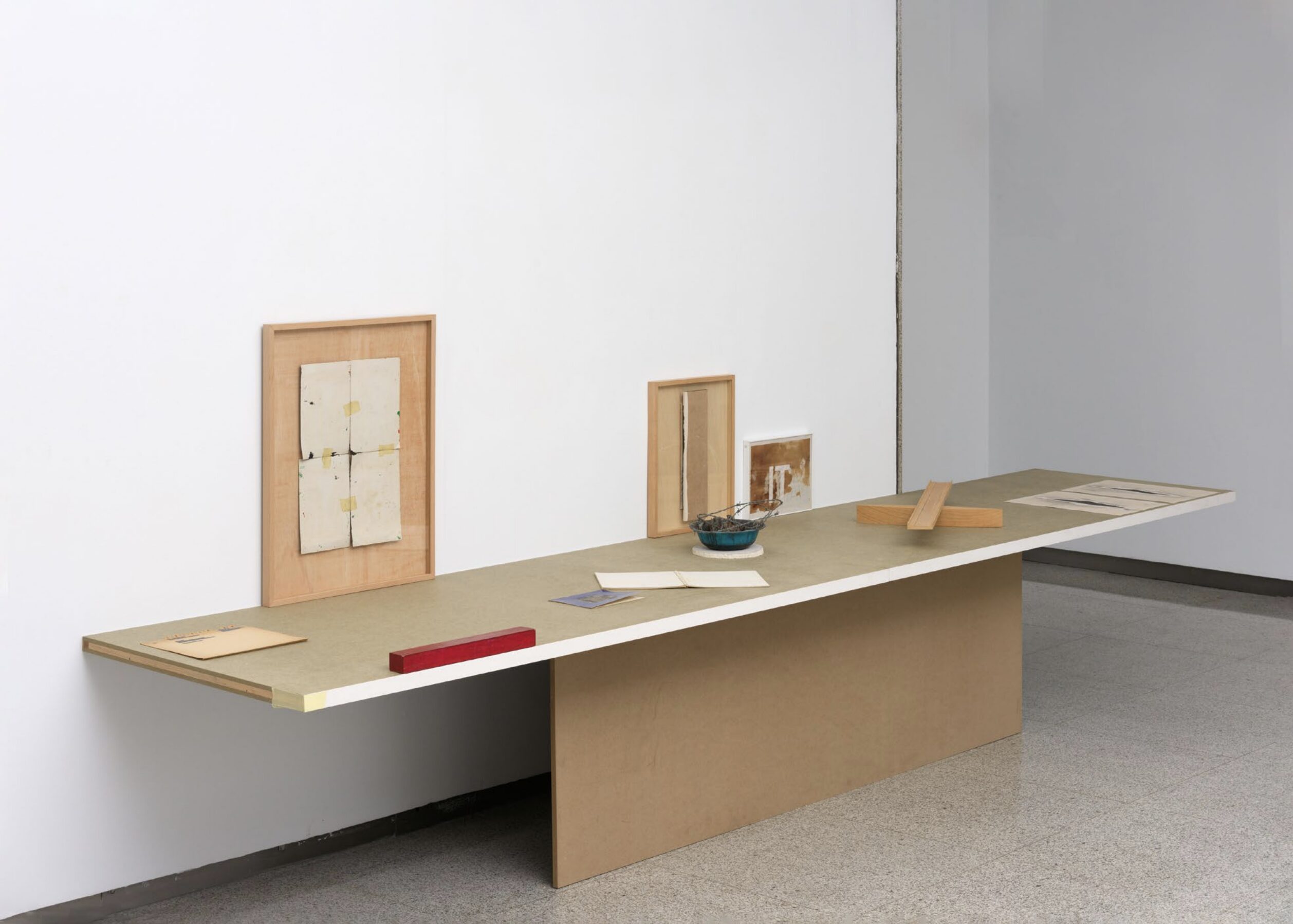
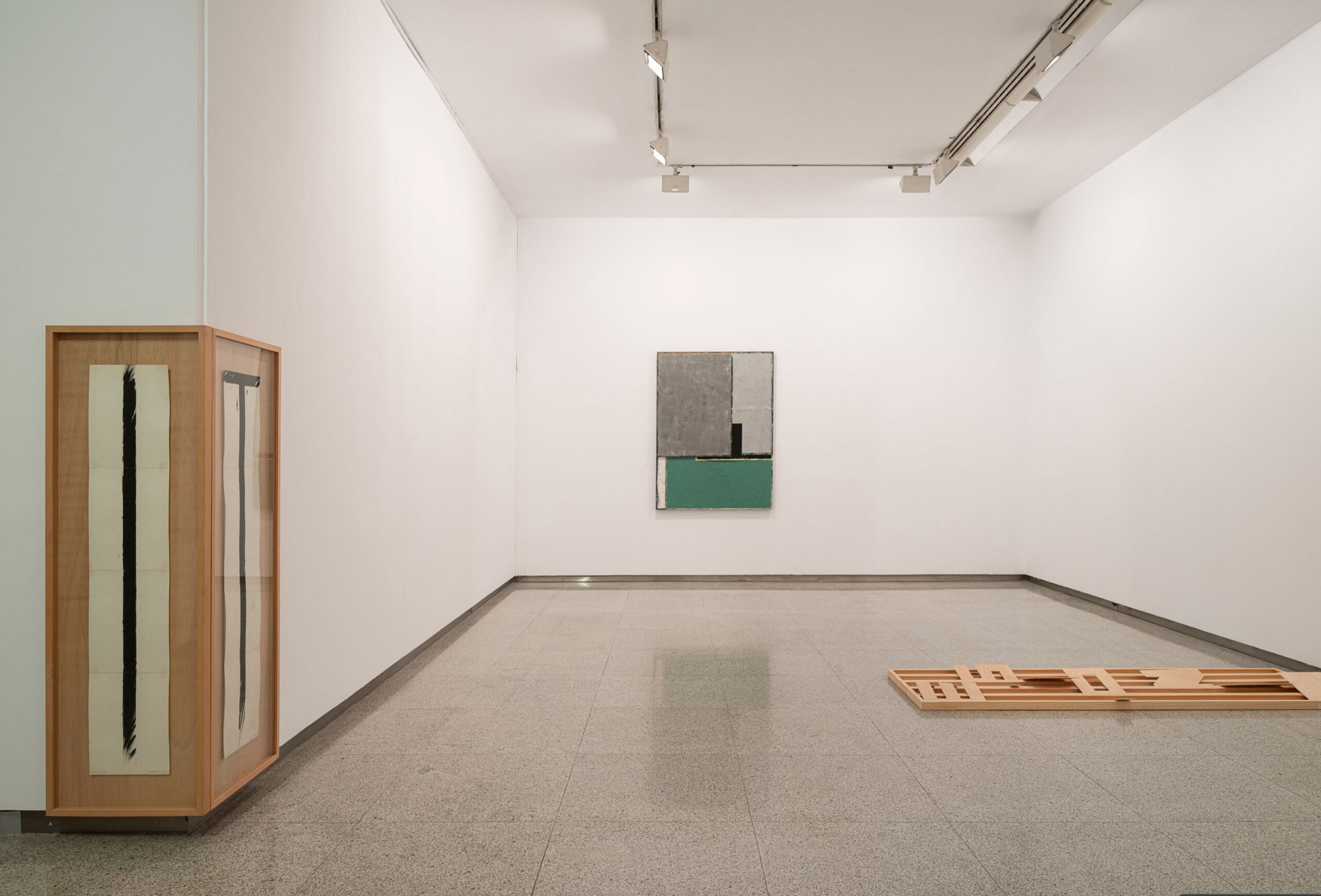
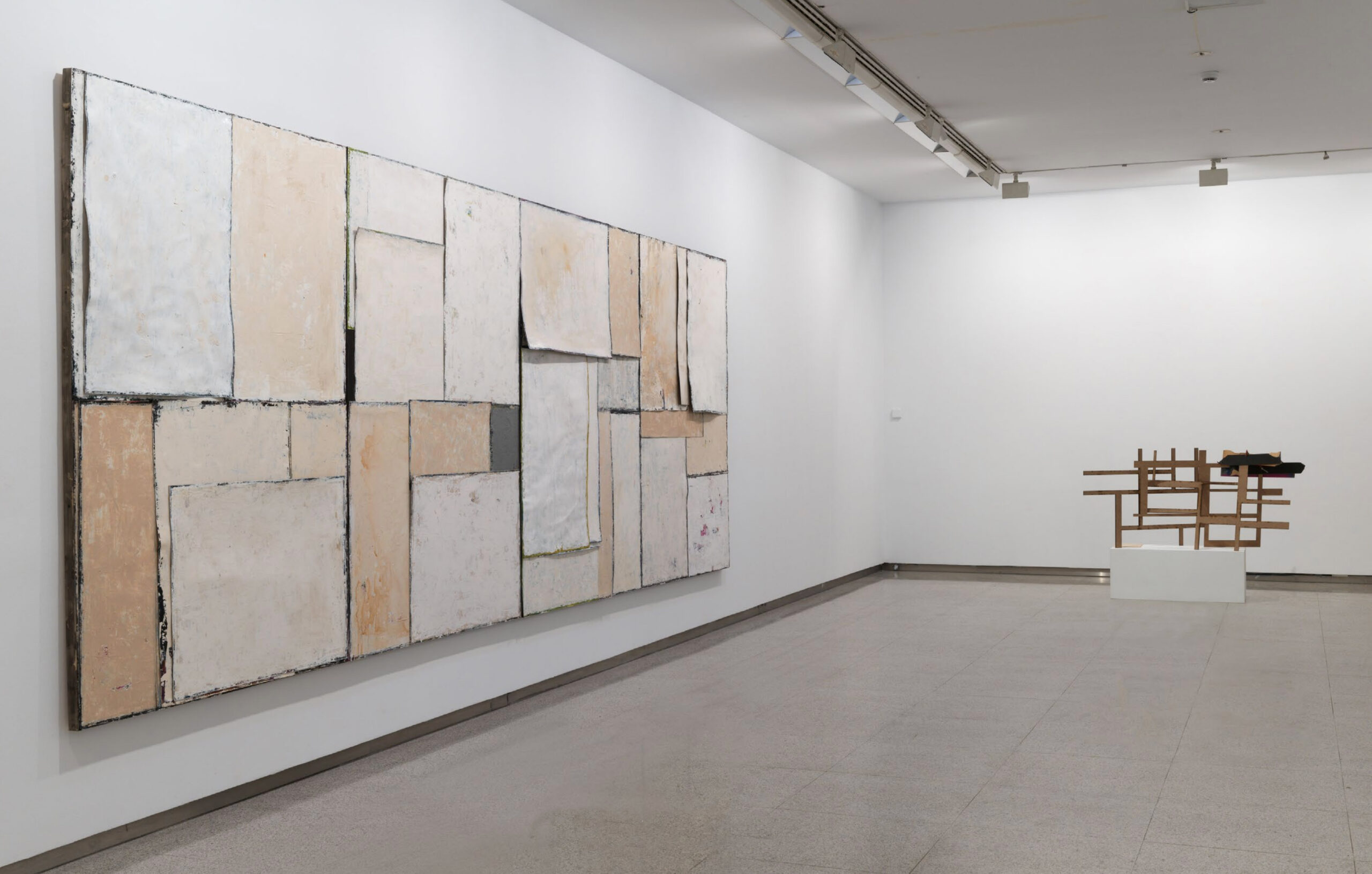
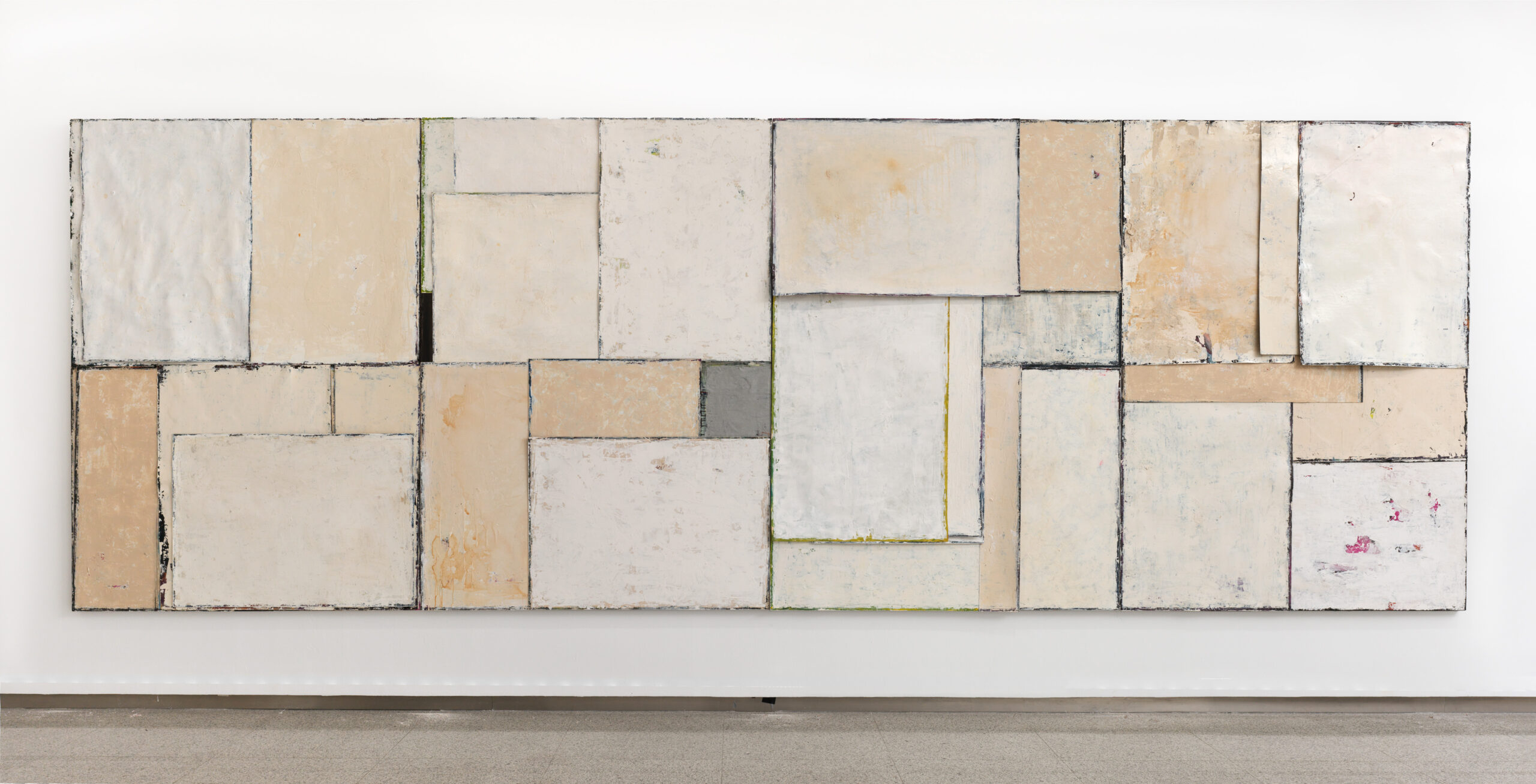
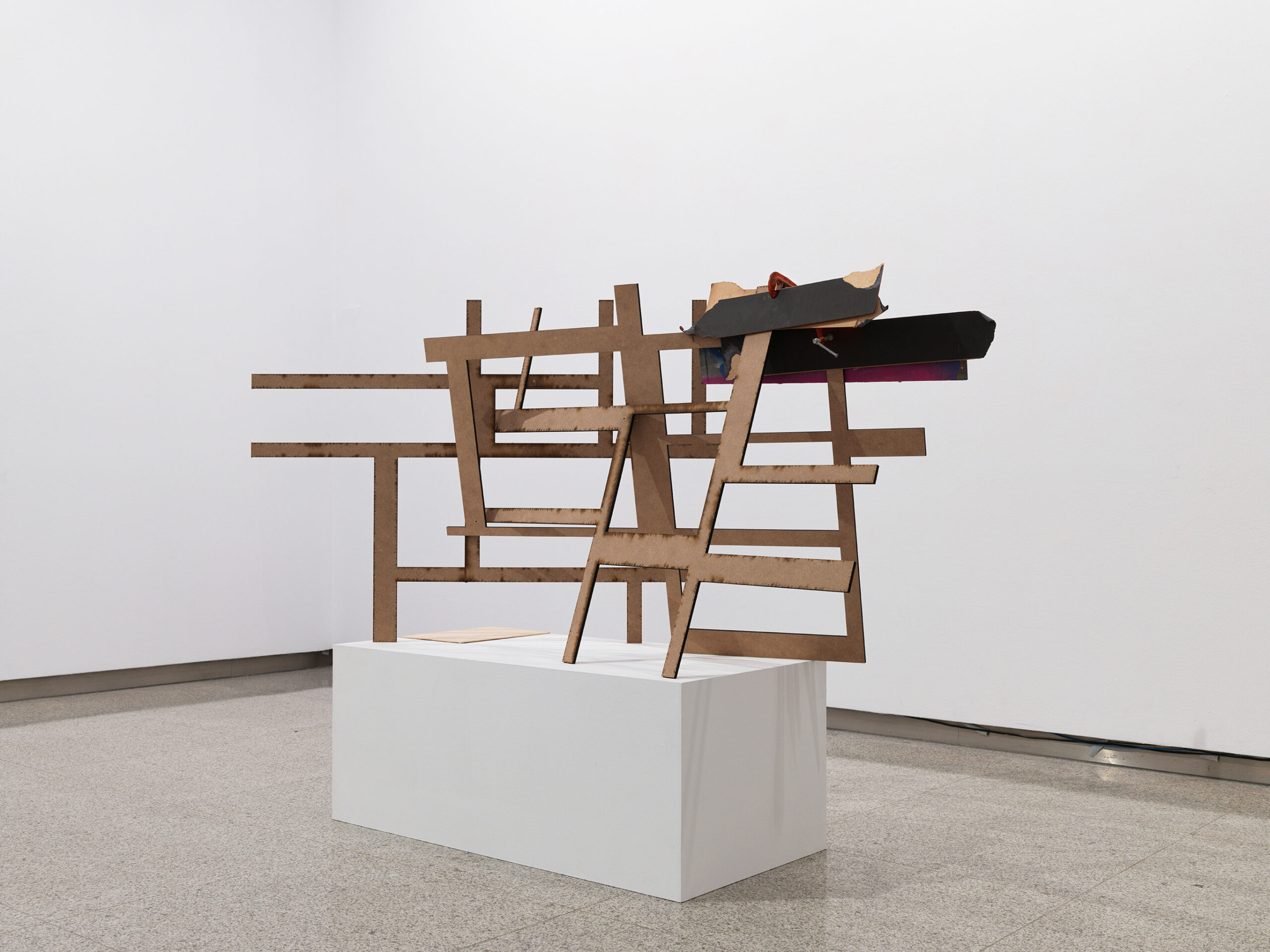
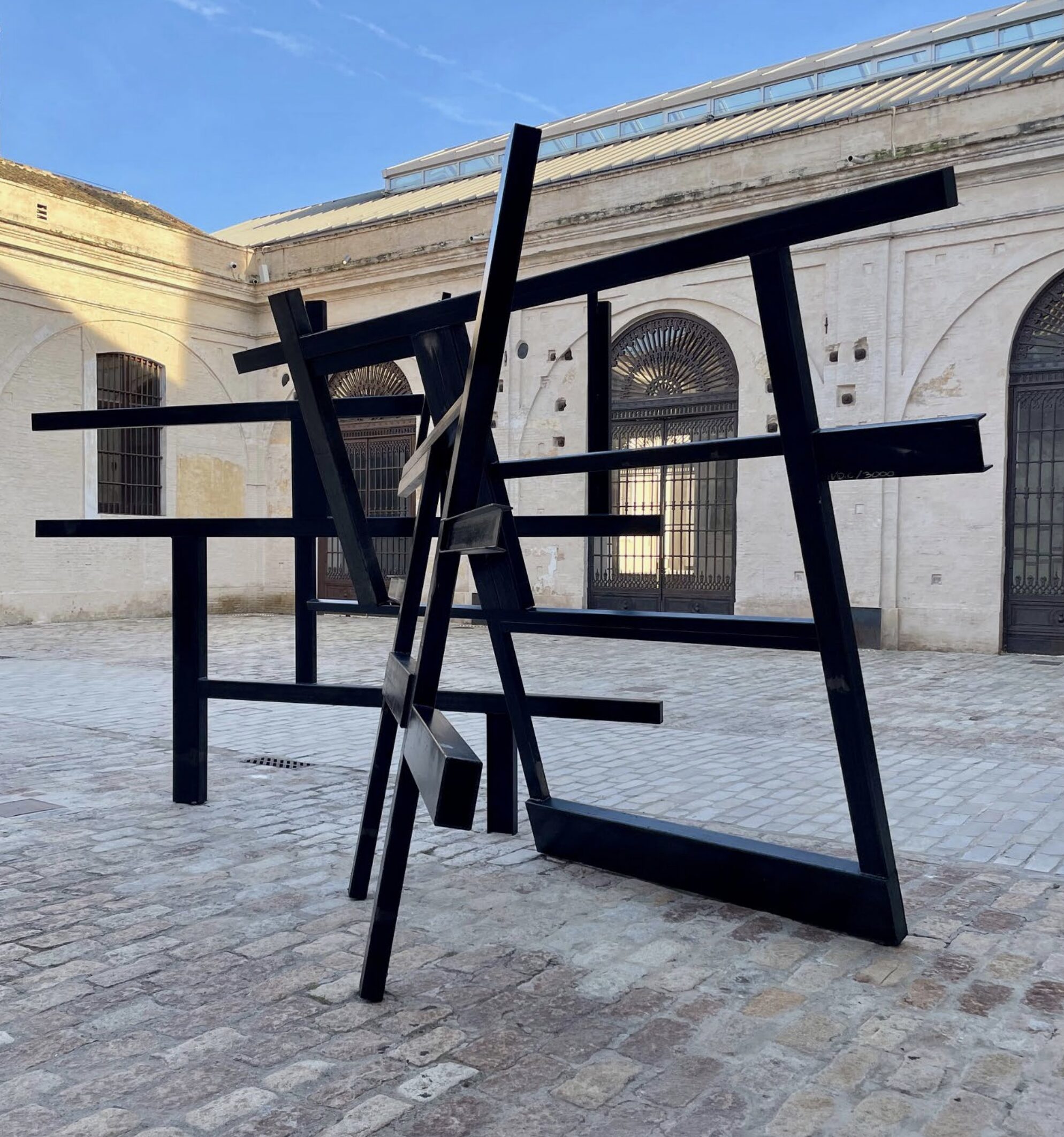
The work geometric of Suárez is not a systematic investigation of the possibilities of form. Nor is it an investigation into the relationships between play and form. His attention to geometry is related above all to a reflection on the scope and role of art in modernity. Reflection made from Andalusia, a place on the periphery of modern culture modern, which has a strong influence from the artistic tradition and which remains, in the years of Suárez’s training, almost at the margin of the central concerns of modern culture. In these circumstances, geometry can be a catalyst for artistic formation, since through its formal rigour it connects with the traditionby its logic, with the rationality characteristic of the modern.
Suárez knew how to use this bridge between a6> worlds diverse that offered the geometry. But in him there is something more: a special sensitivity to the radical temporality that characterises the modern.
His work is featured in major museums such as the Andalusian Centre for Contemporary Art (Seville), the Spanish Museum of Abstract Art (Cuenca), the Museum of Contemporary Art (Mexico City, Mexico), Patio Herreriano, the Spanish Museum of Contemporary Art (Valladolid) and the Bilbao Fine Arts Museum, as well as in various public collections such as the La Caixa Collection (Barcelona), the BASF Collection (Ludwigshafen, Germany), the Juan March Foundation (Madrid), the Helga de Alvear Collection (Cáceres) and the Andalusian Parliament (Seville).