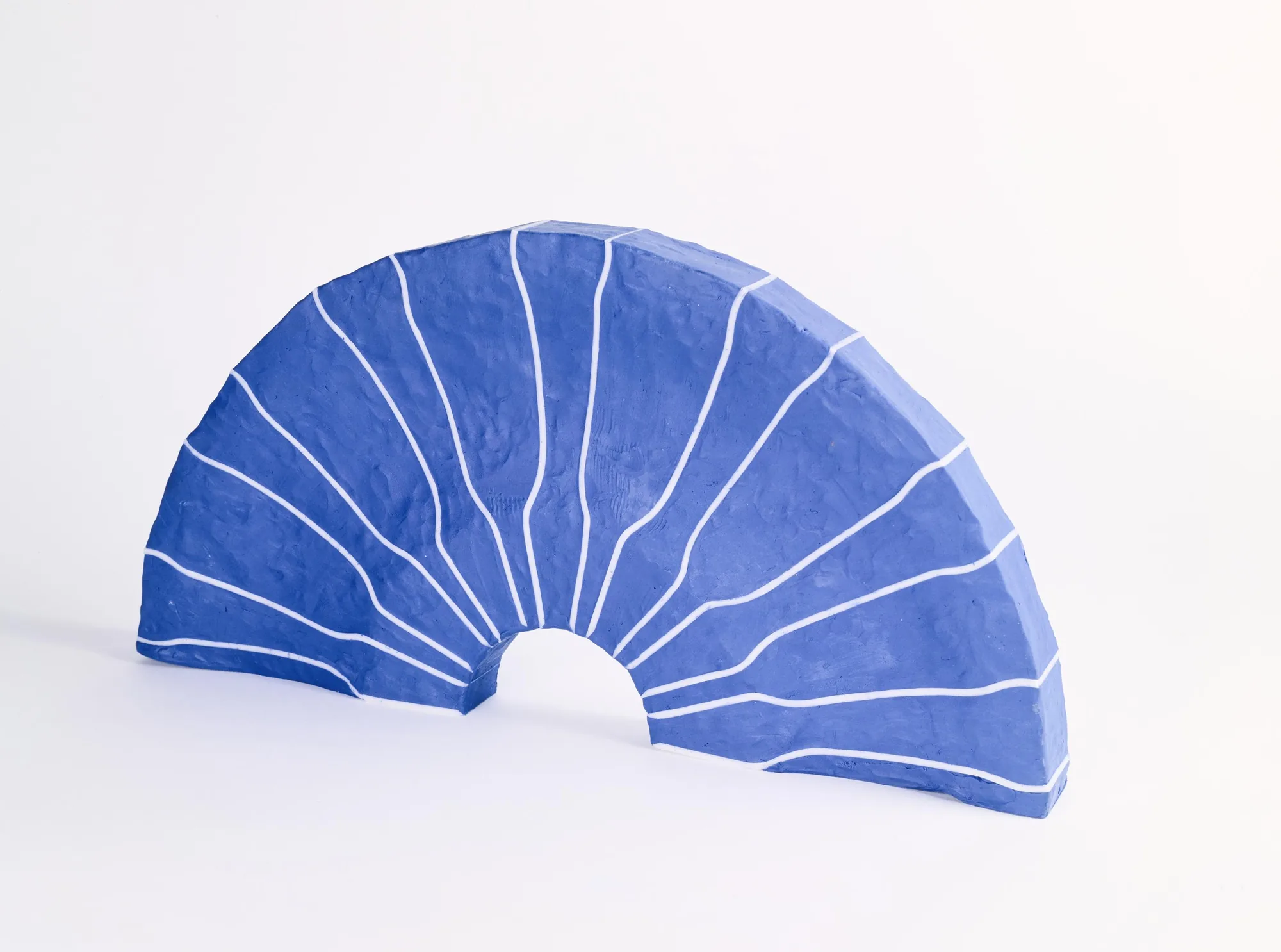
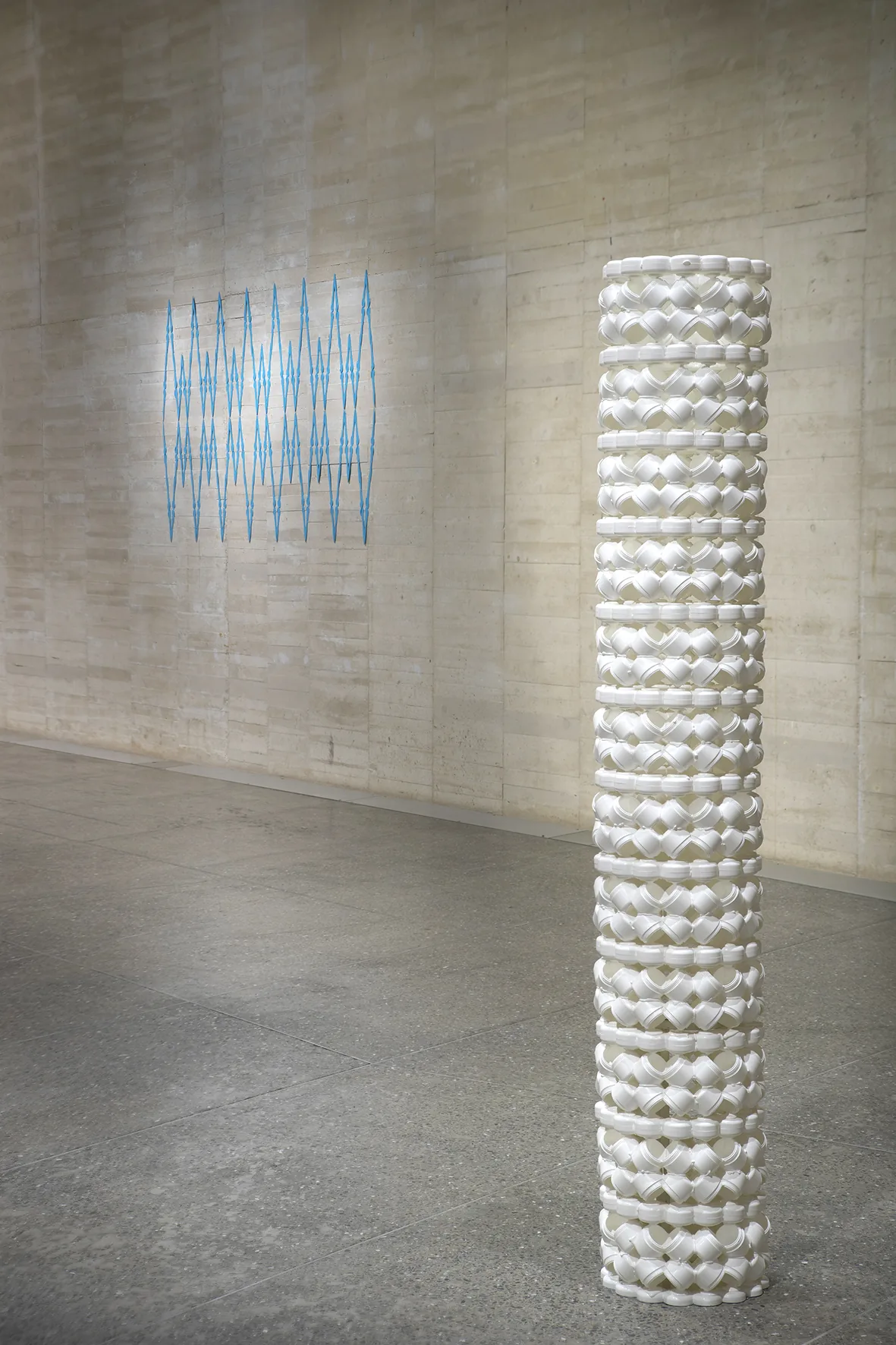
"Abanico" de Ana Prada, escultura en pinzas de plástico y plastilina azul — Colección Banco de España

Abanico, 1995

Tongs for cooking made of plastic and modelling clay. 23,2 x 48 x 4,5 cm. Collection: Banco de España.

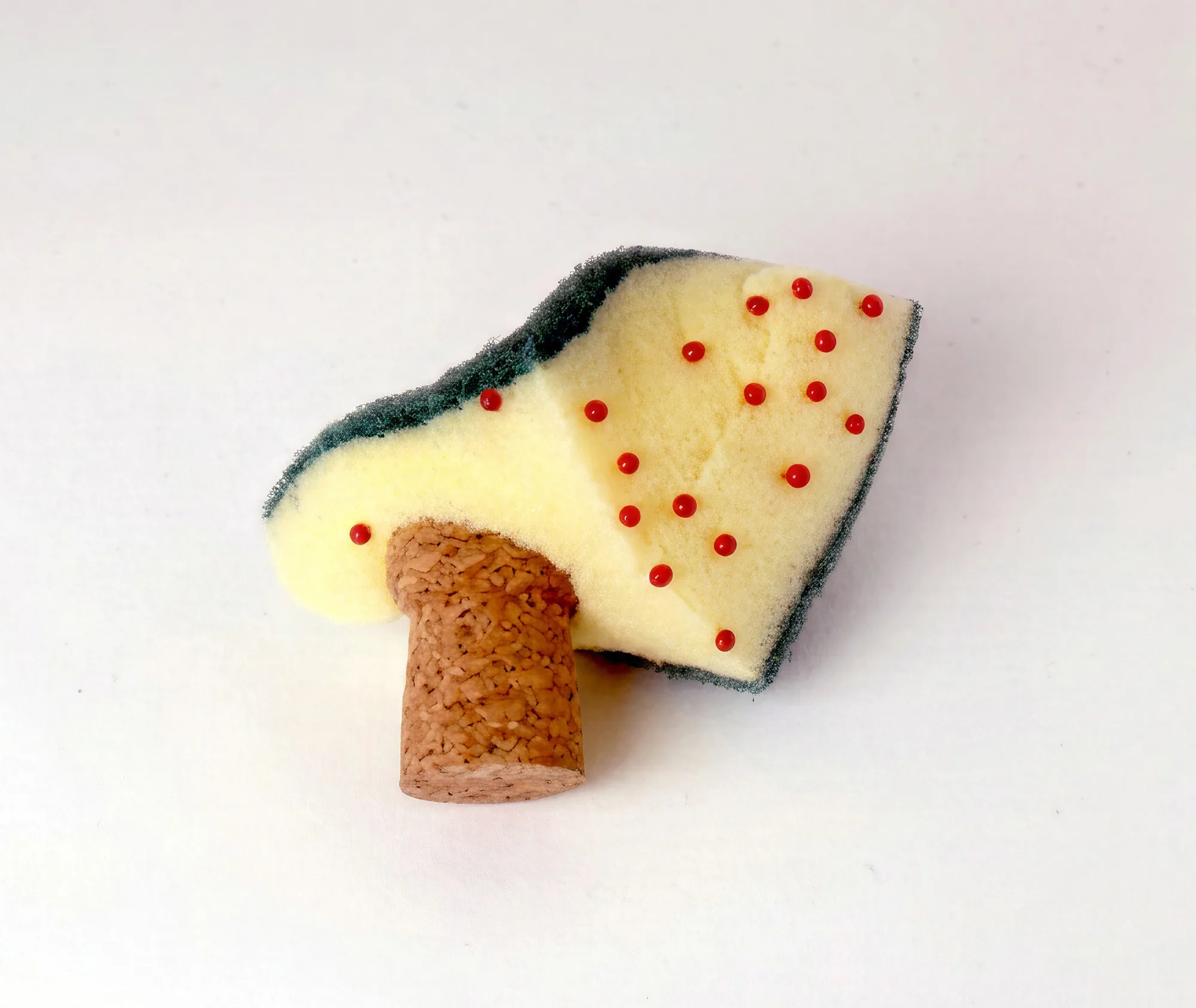
"Un toque femenino" (2002) de Ana Prada, fotografía C-print de 121 x 154 cm con tapón, alfileres y esponja

Un toque femenino, 2002

Photograph, C-print, 121 x 154 cm.

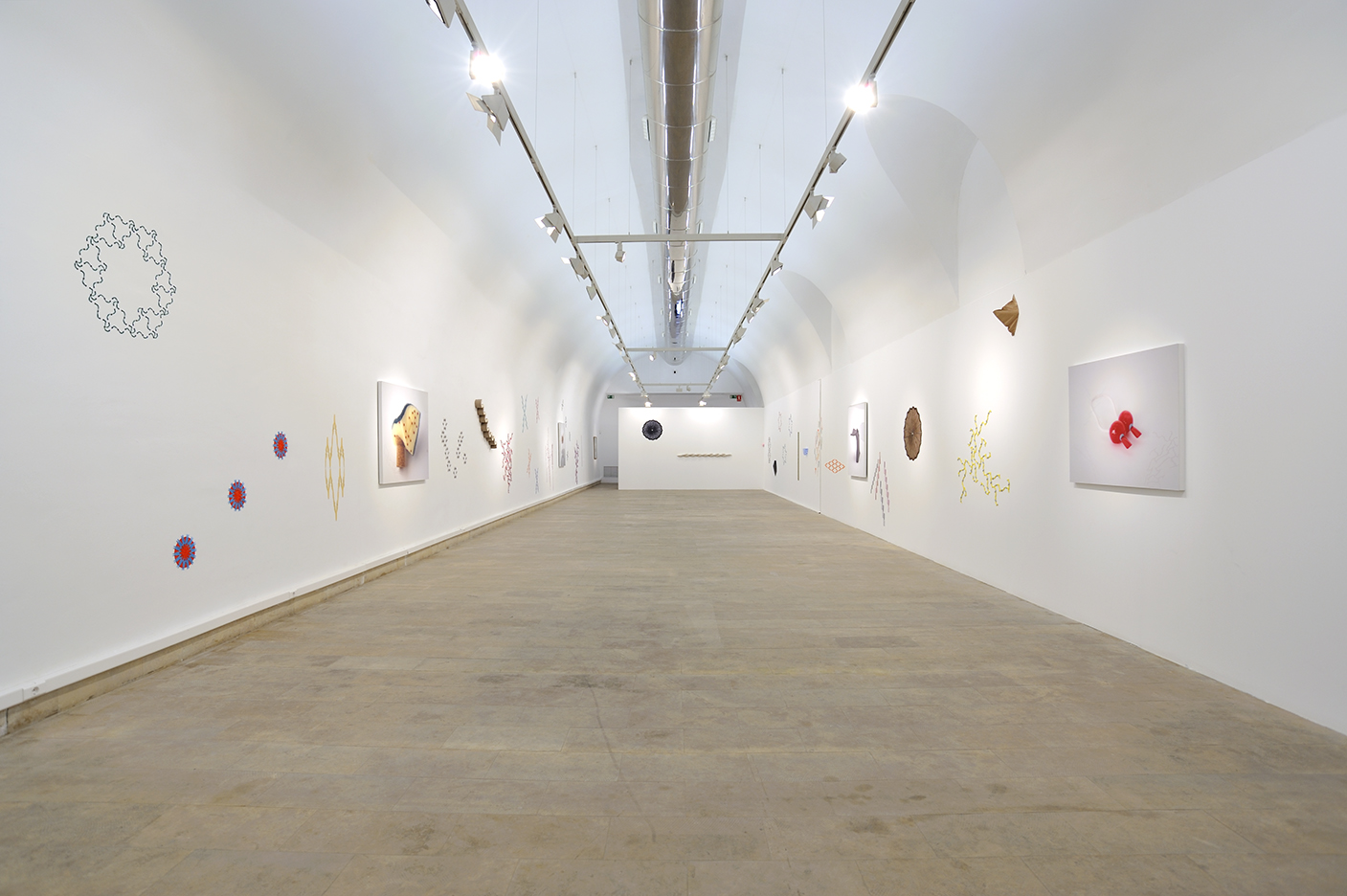
Vista exposición Ana Prada - Sala Parpalló Valencia 2009-2010

Ana Prada, 2010

View of the exhibition. Sala Parpalló. Valencia, Spain.Curated by José Luis Clemente.

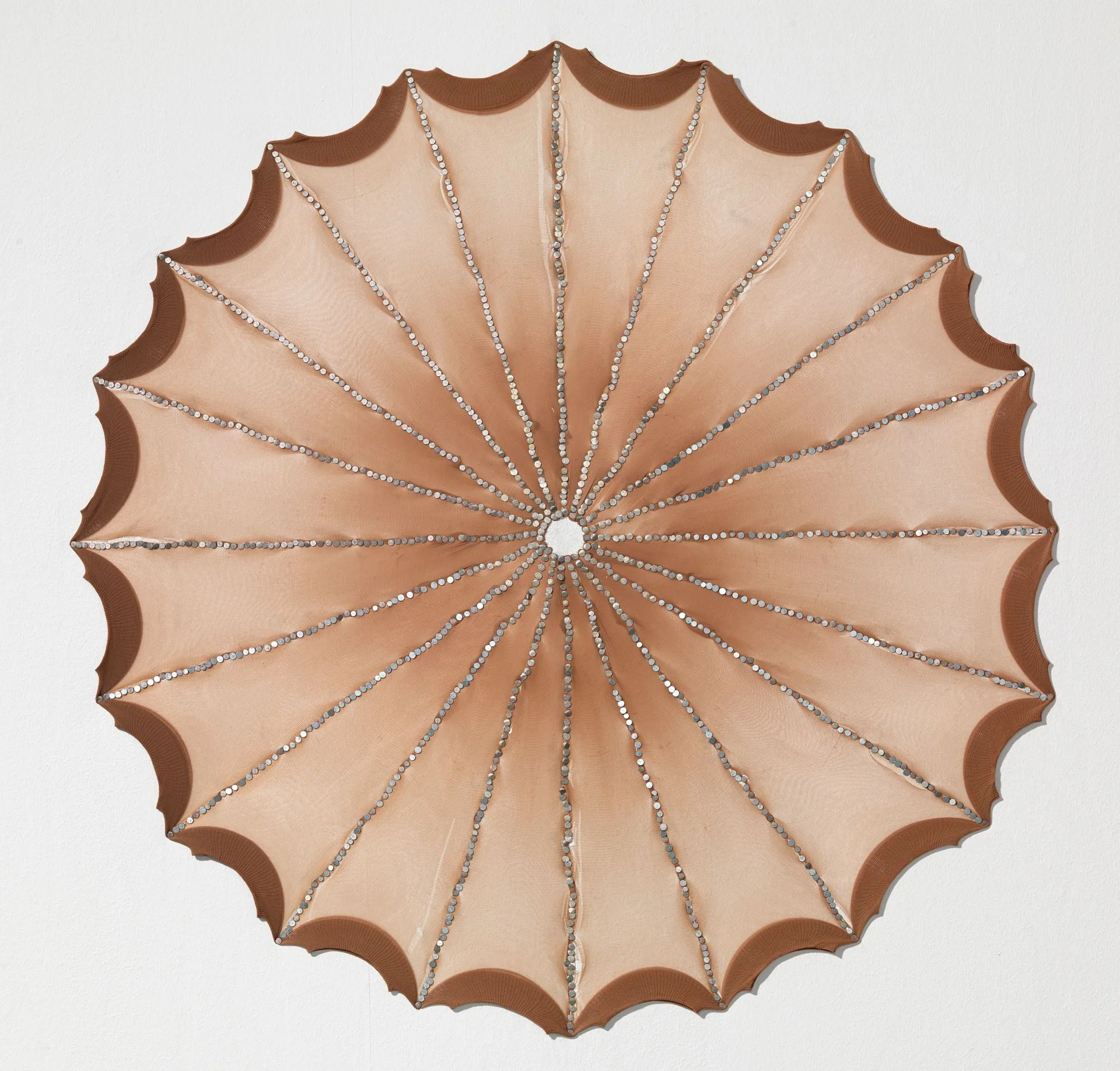
"20 costuras" (1994) de Ana Prada, escultura en nylon y hierro — Colección MACBA

20 costuras, 1994

Nylon stockings and studs. Collection: MACBA. Fundación MACBA.

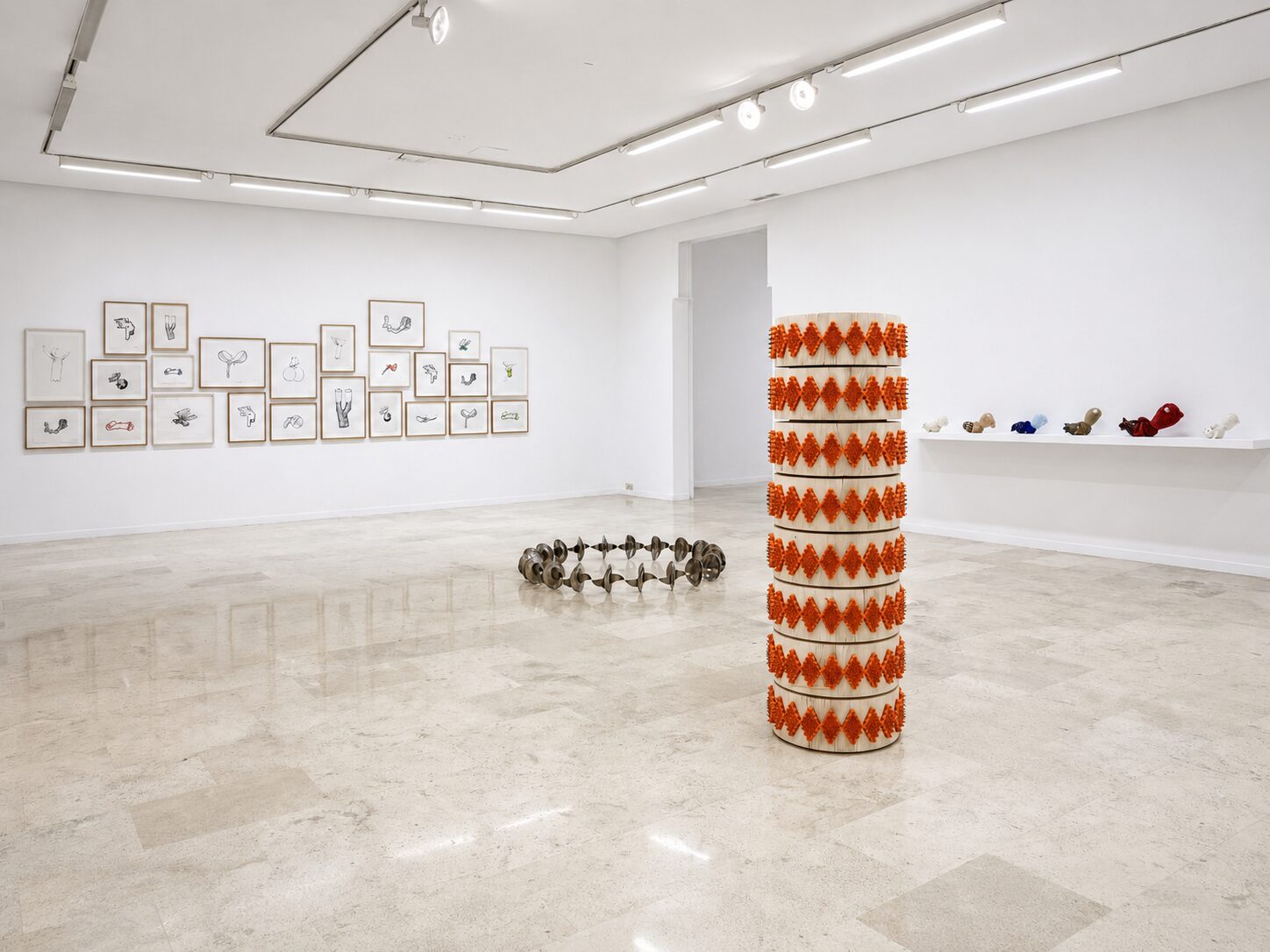
Vista de la exposición "Todo es otro" de Ana Prada en el C3A, Centro de Creación Contemporánea de Andalucía, Córdoba (2020)

Todo es otro, 2020

A view of the exhibition. C3A, Centro de Creación Contemporánea de Andalucía, Córdoba, 2020. Curated by Manuel Olveira y Álvaro Rodríguez Fominaya. Co-production con MUSAC.

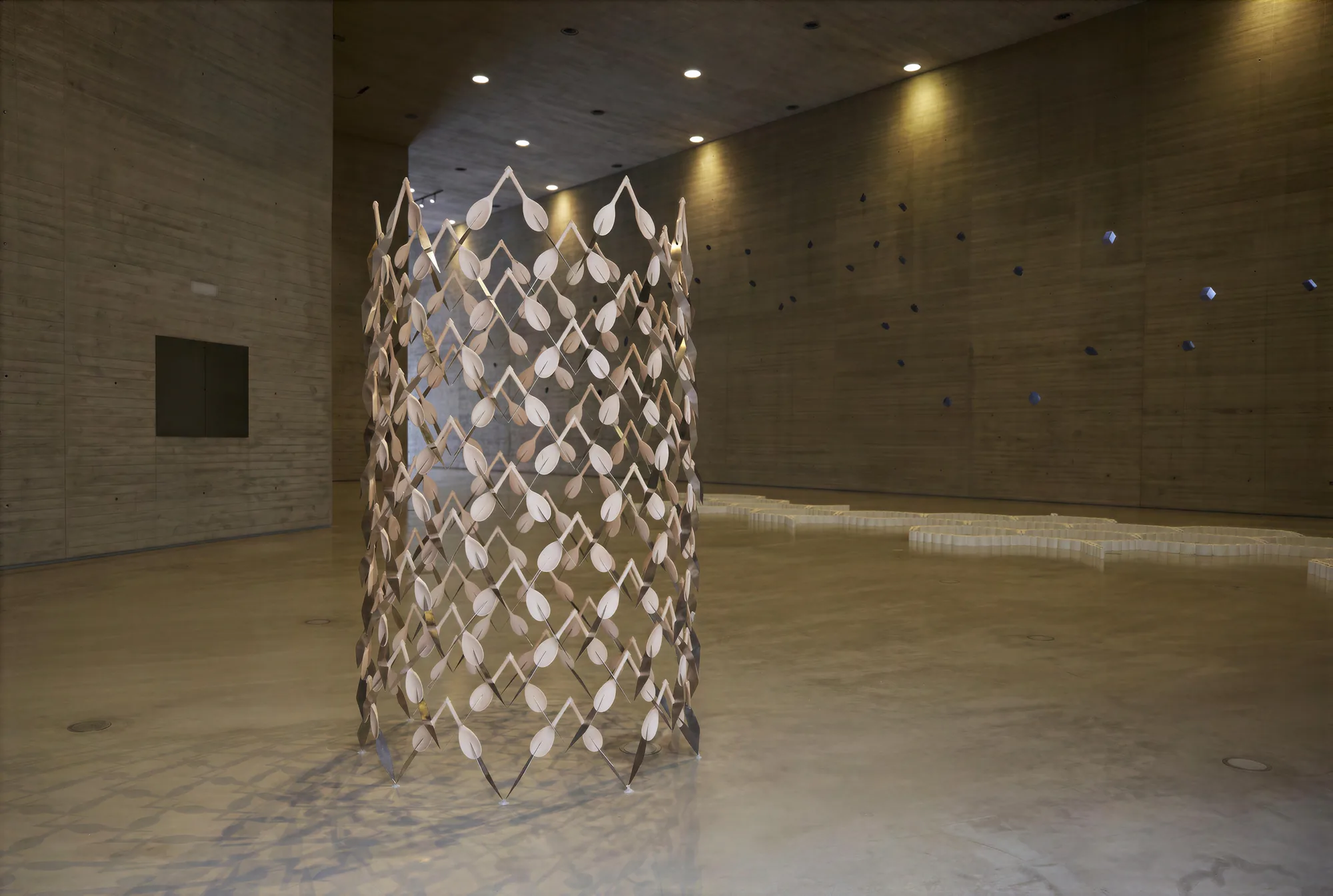
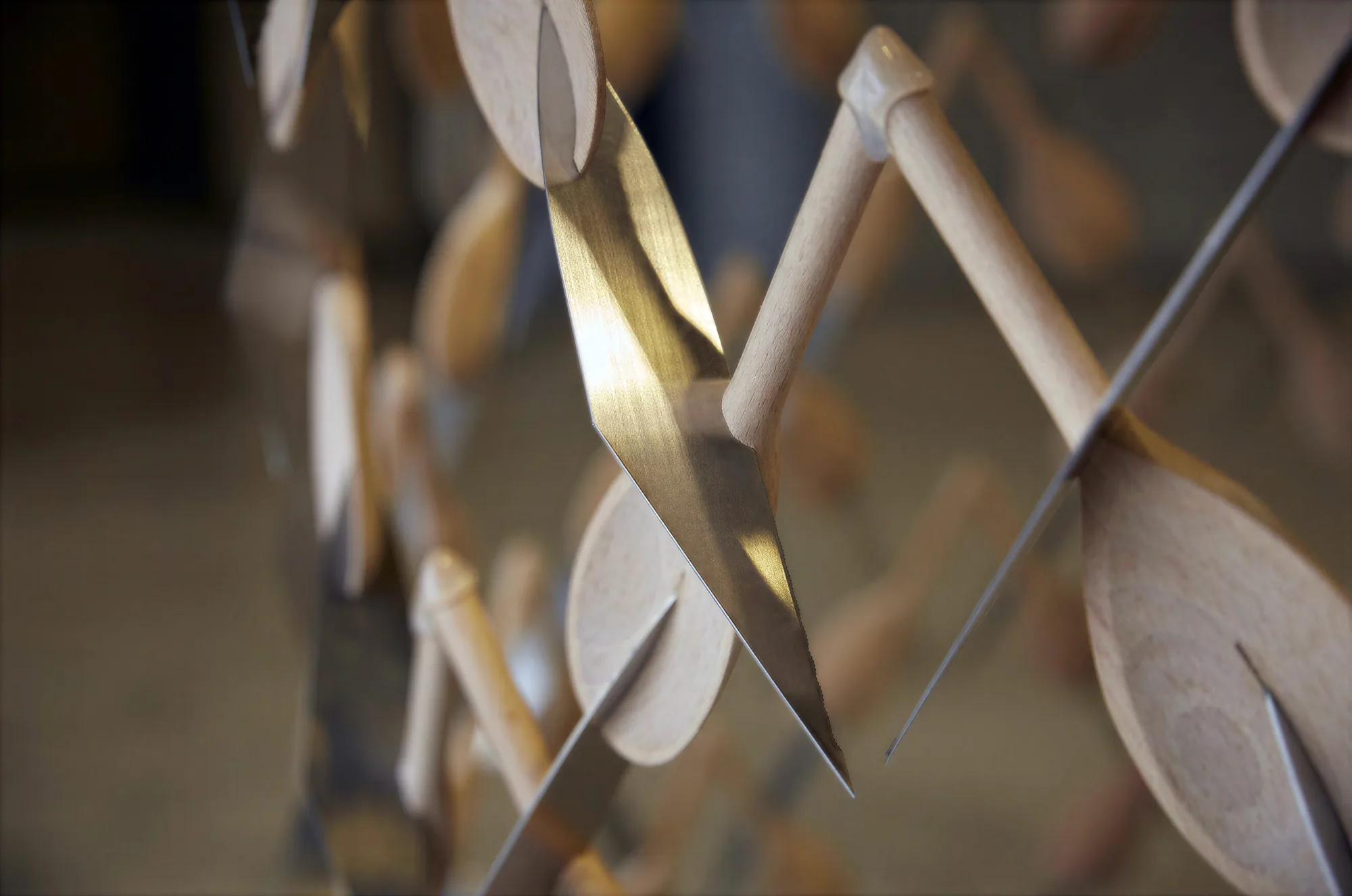
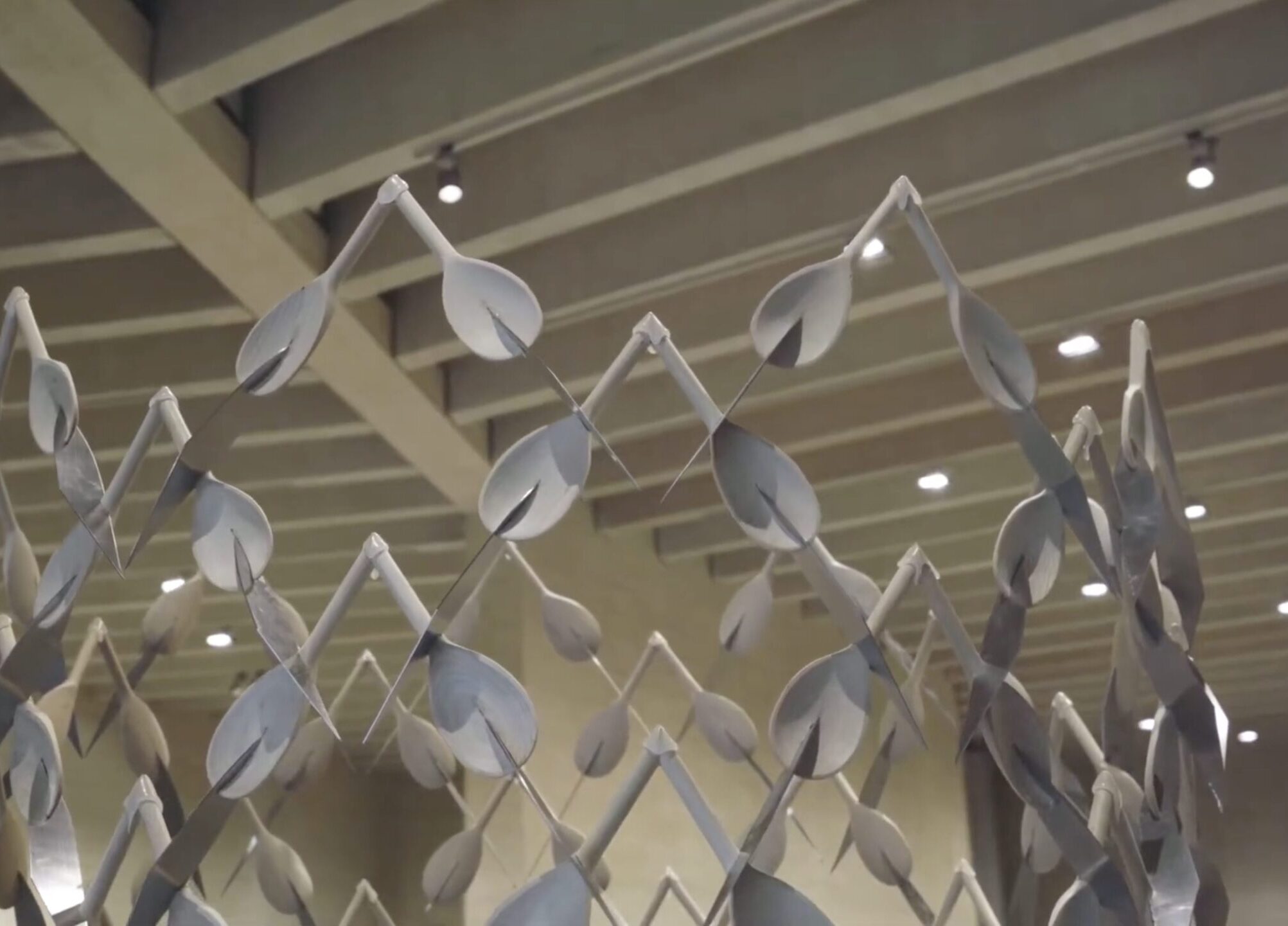
Detalle de "Zona de conflicto" (2014) de Ana Prada, escultura en cuchillos, cucharas y pegamento — Colección Fundación Helga de Alvear

Zona de conflicto, 2014 (detail)

Knives, spoons and glue, 166 x 102 (Ø) cm. Collection Helga de Alvear Foundation, Madrid/Cáceres.

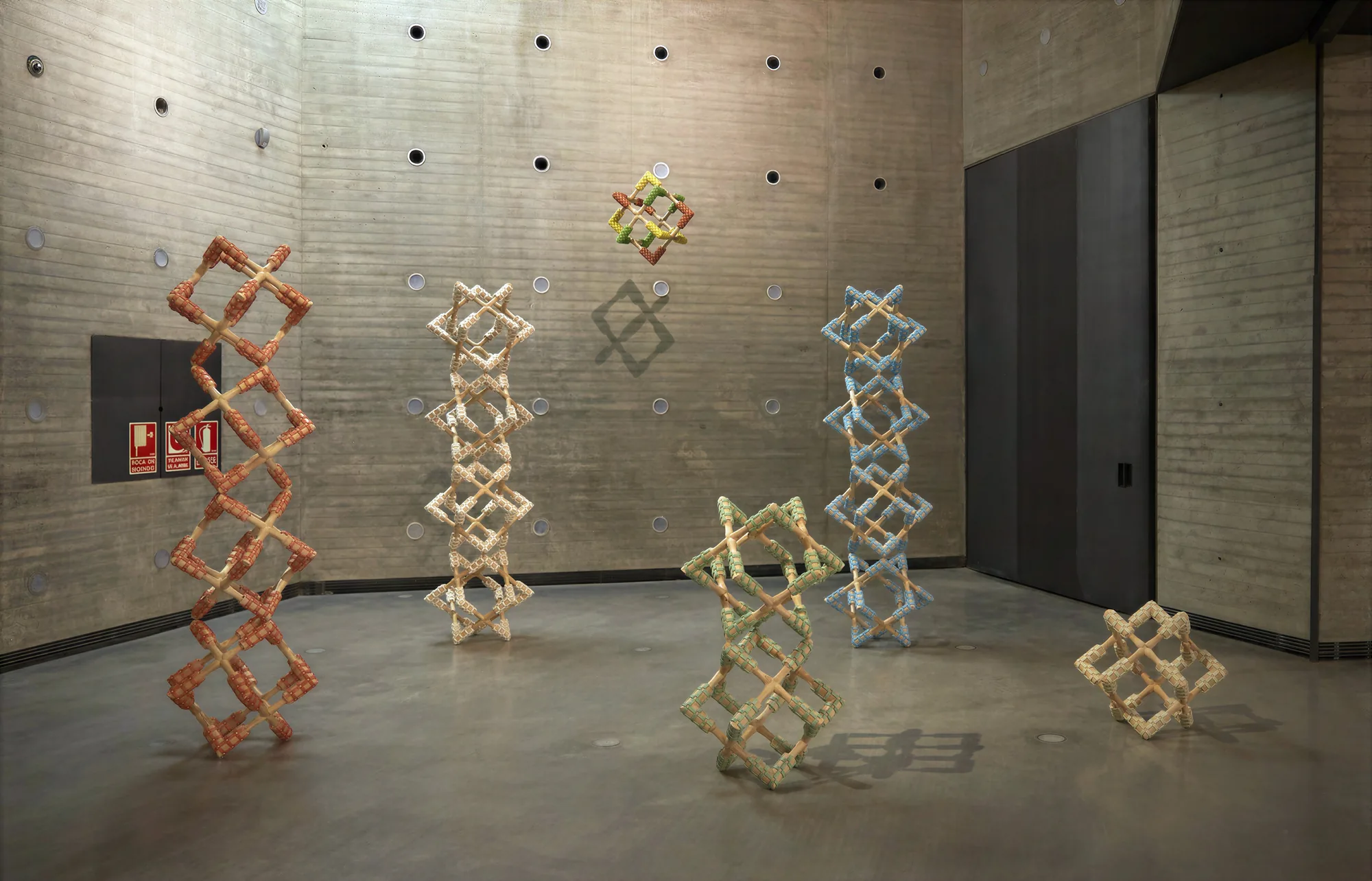
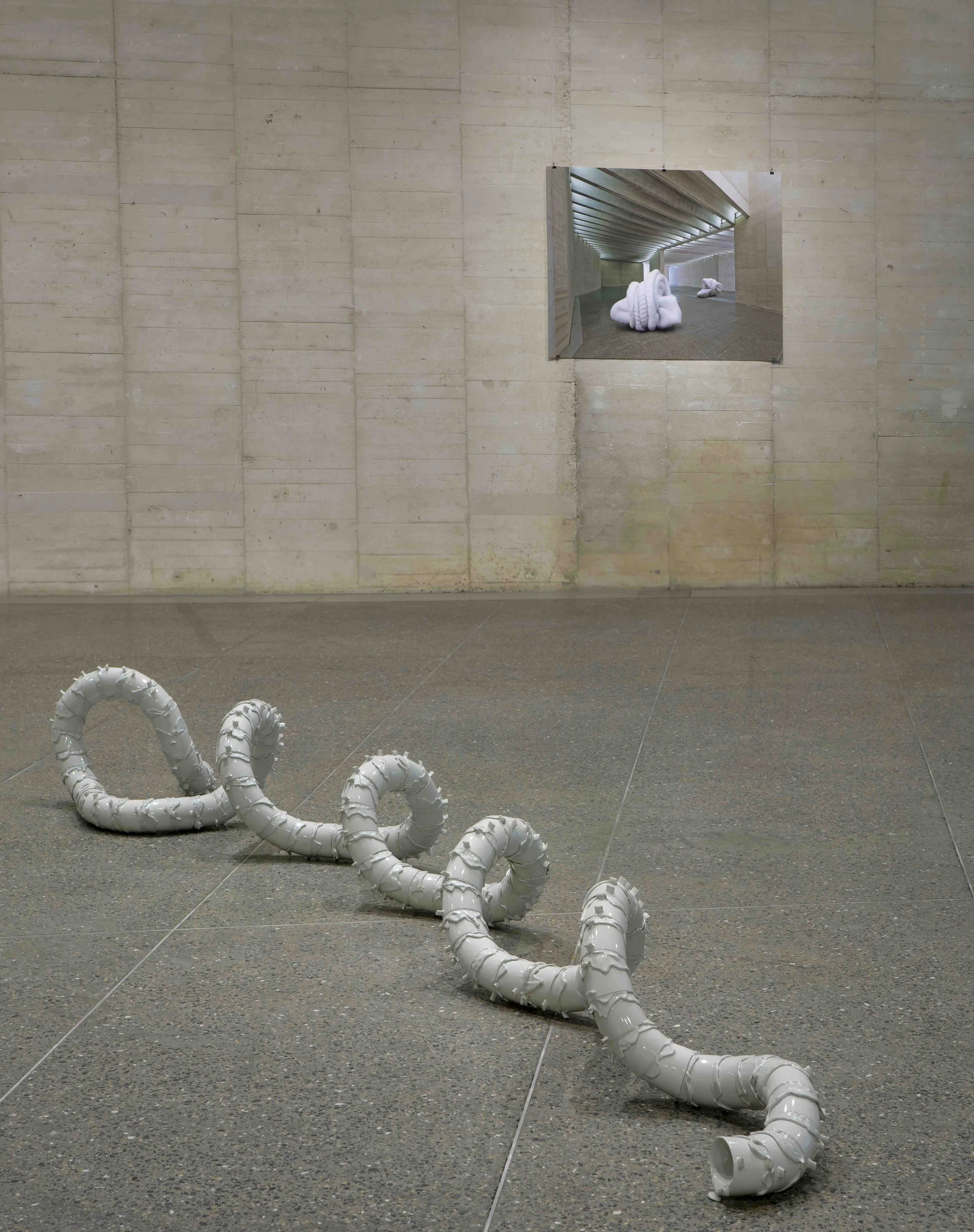
Todo es otro, 2020

View of the exhibition. C3A, Centro de Creación Contemporánea de Andalucía. Córdoba, Spain. Curated by Manuel Olveira and Álvaro Rodríguez Fominaya. Co-produced with MUSAC.

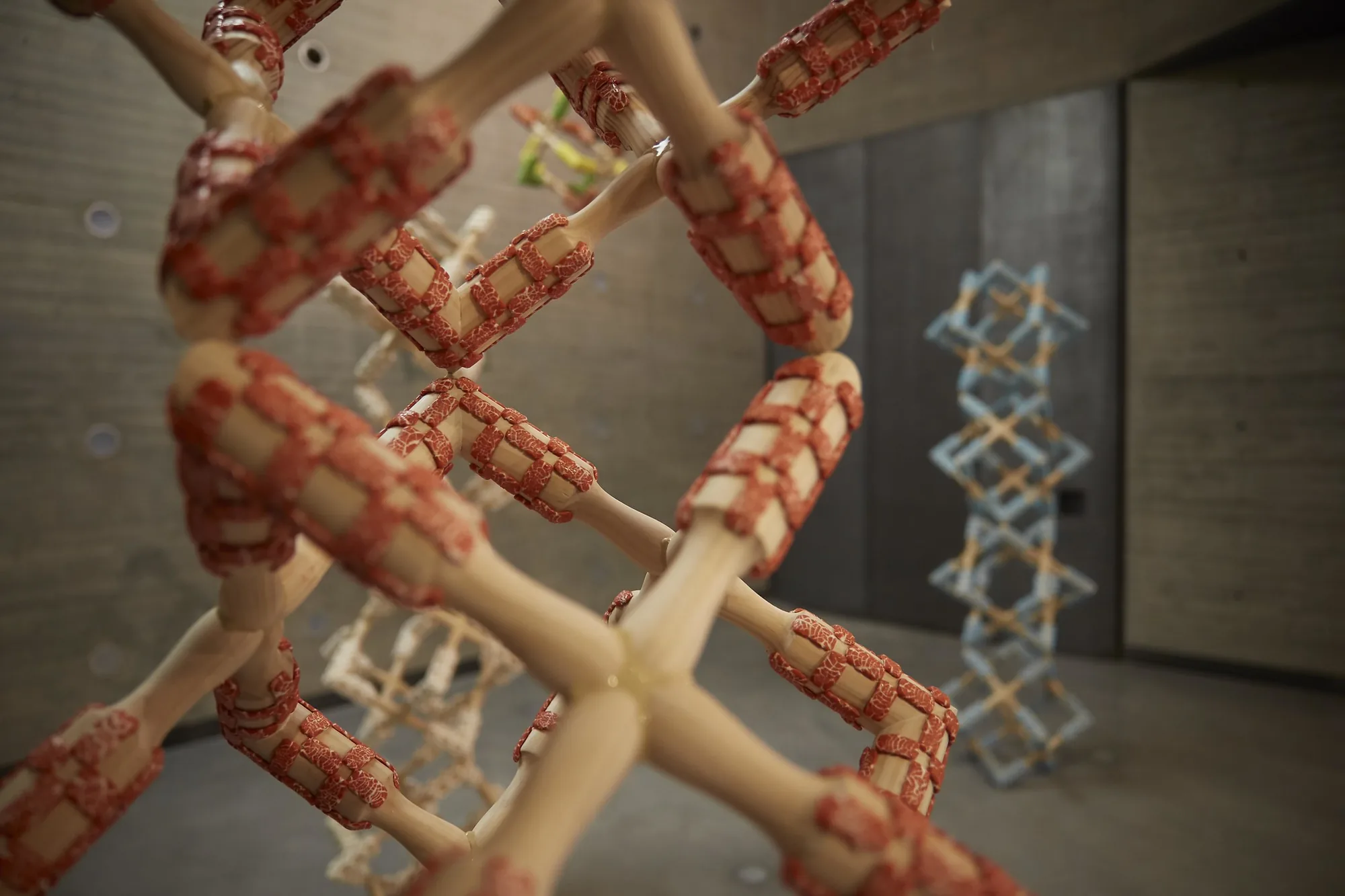
Pejagoso indeseado, 2019 (detail)

Rollers and rubber pads, specific dimensions for installation.

Vista de la exposición de Ana Prada en el MUSAC, Museo de Arte Contemporáneo de Castilla y León

Todo es otro, 2020

A view of the exhibition. MUSAC, Museo de Arte Contemporáneo de Castilla y León. León, Spain

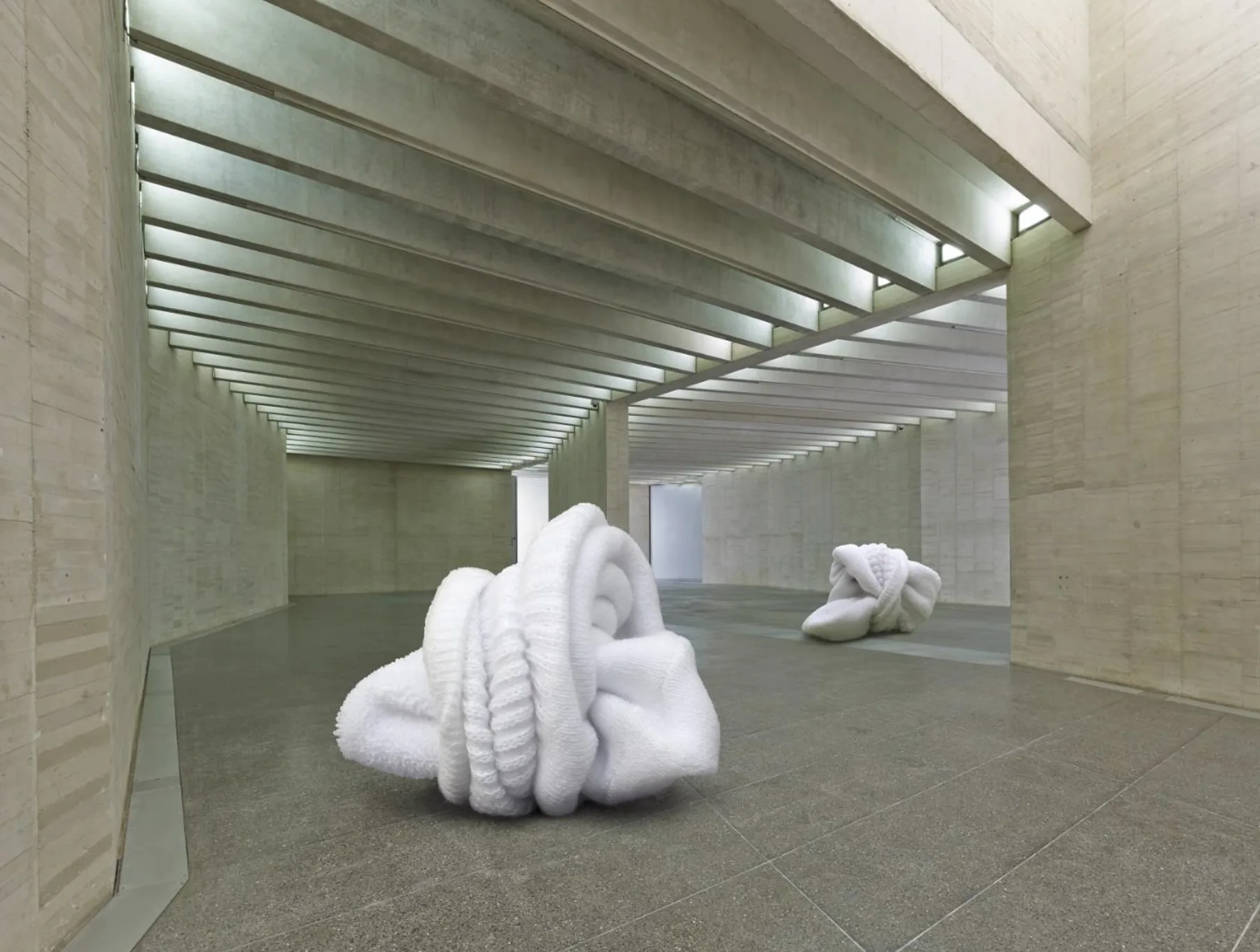
"Calcetines/Musac" (2020) de Ana Prada, fotografía color intervenida de 105 x 140 cm — Cortesía de la artista

Calcetines/Musac, 2020

Photograph in colour altered. 105 x 140 cm.

Vista de la exposición "Todo es otro" de Ana Prada en el MUSAC, Museo de Arte Contemporáneo de Castilla y León (2020-2021)

Todo es otro, 2020

A view of the exhibition. MUSAC, Museo de Arte Contemporáneo de Castilla y León. León, Spain

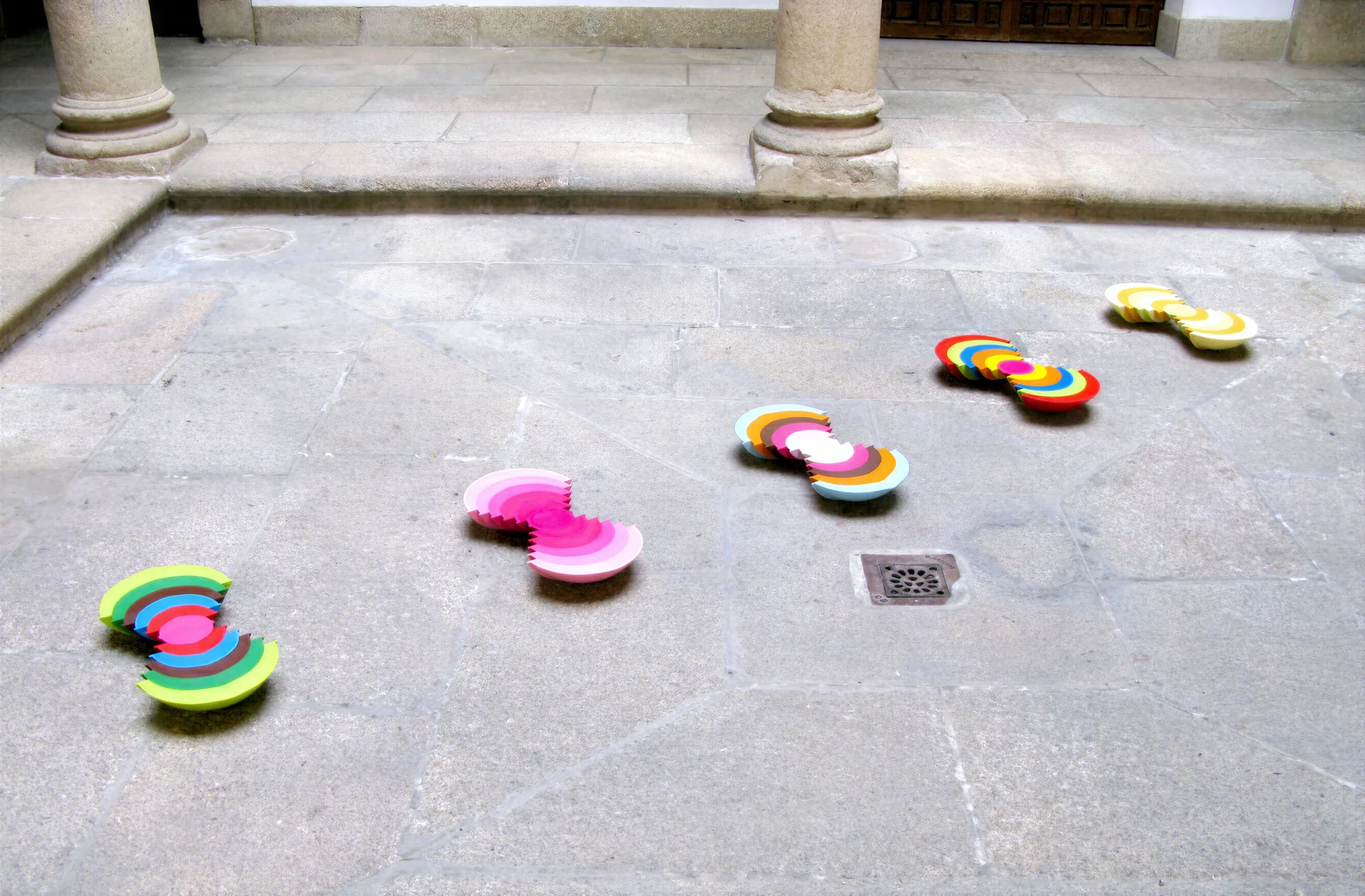
"Pastel, Colourful, Retro, Colourway pink" (2008) de Ana Prada, escultura en cuencos de melamina y plastilina — Colección Banco de España

Pastel, Colourful, Retro, Colourway pink, 2008

Sculpture in bowls made of melamine and plasticine. Collection: Banco de España.

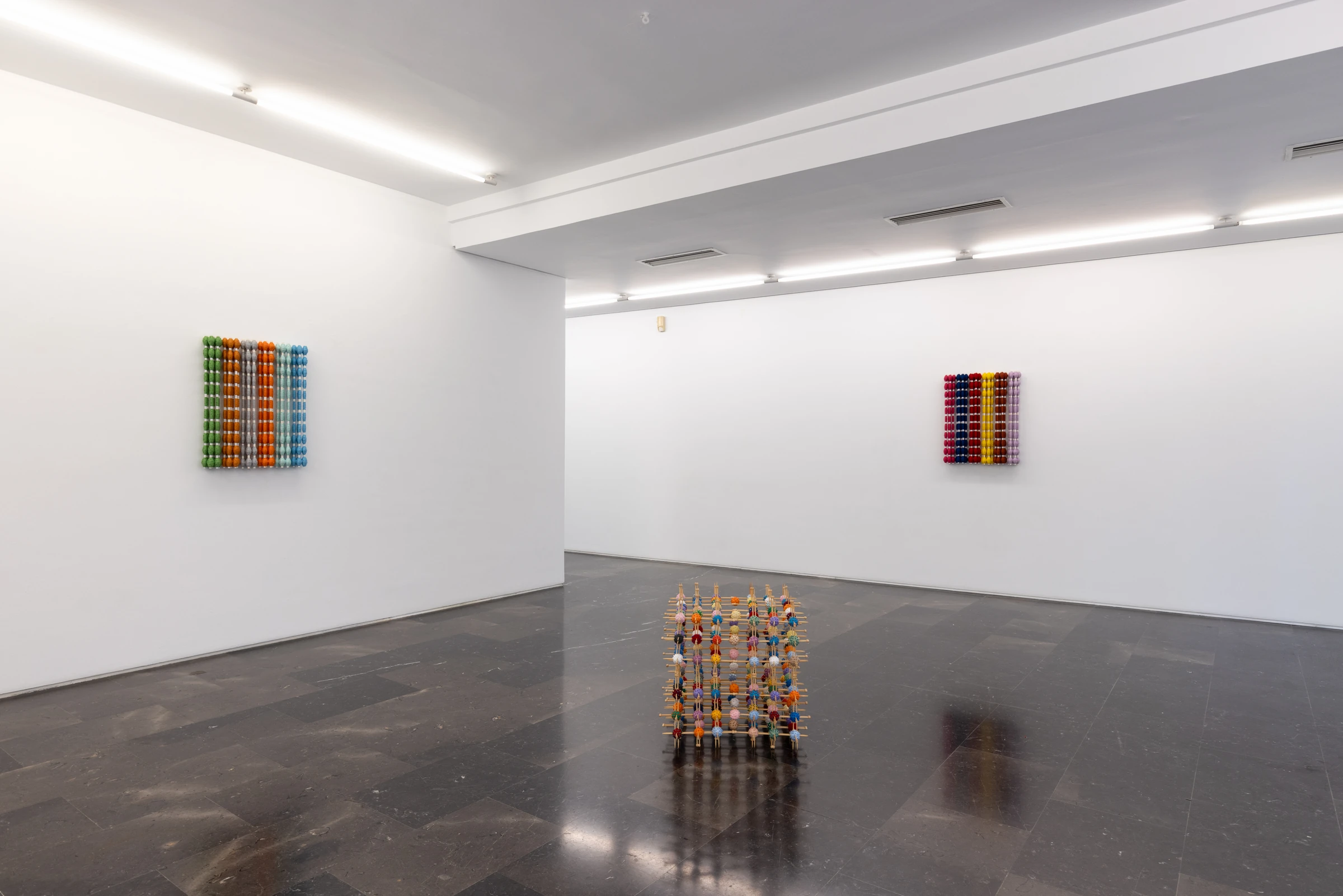
Perfección, 2017

A view of the exhibition. Galería Helga de Alvear, Madrid, 2017.

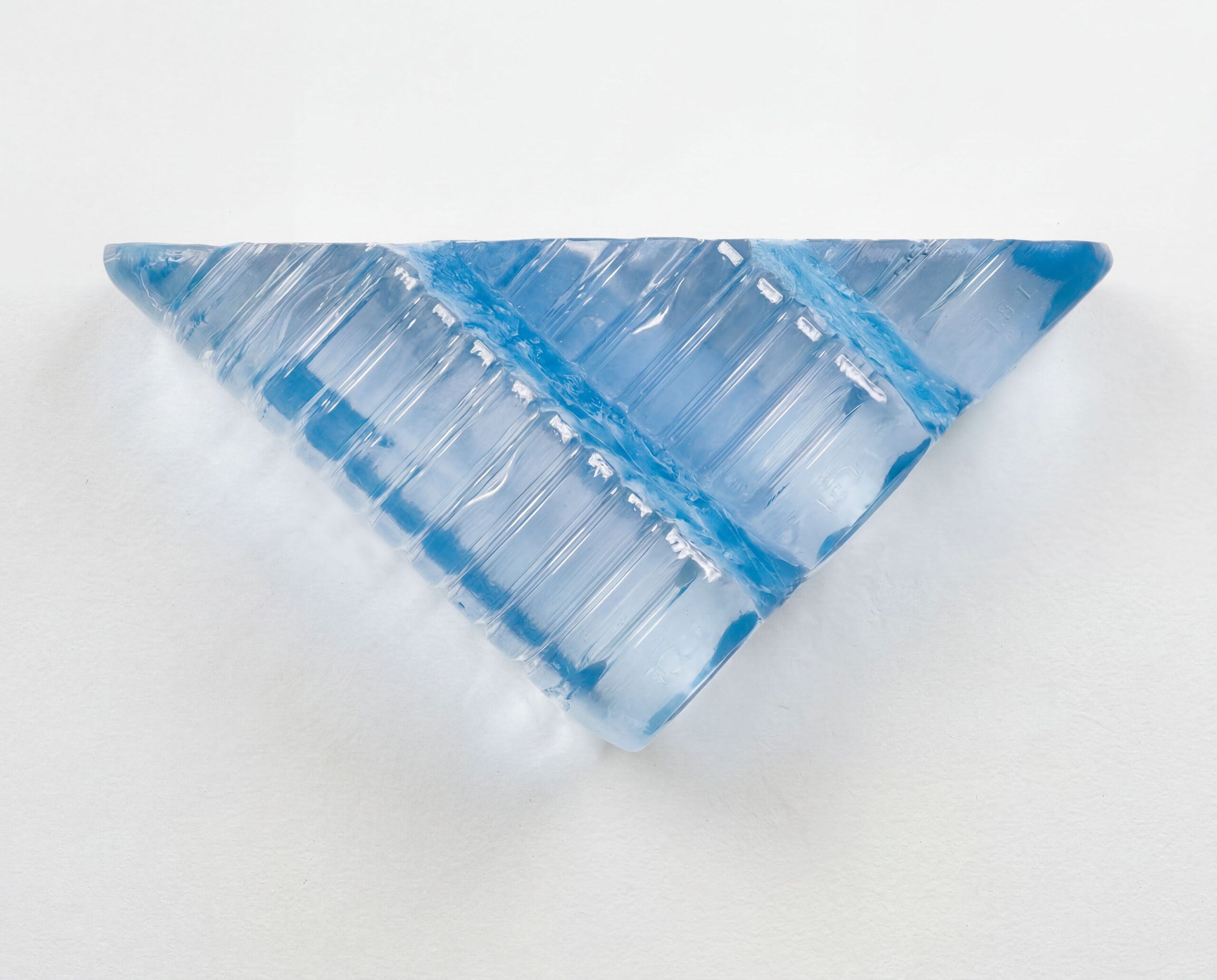
Aquamarine, 1991

Bottles of water, silicone. 35 x 19 x 9 cm.

Bio

Ana Prada (Zamora, 1965) lives and works in London. She trained in sculpture at the Faculty of Fine Arts at the Polytechnic University a12> in Valencia (1983–1988) and completed his training with a Master’s degree in Fine Arts at Goldsmiths’ College in London (1989–1991), the city in which he has lived ever since.

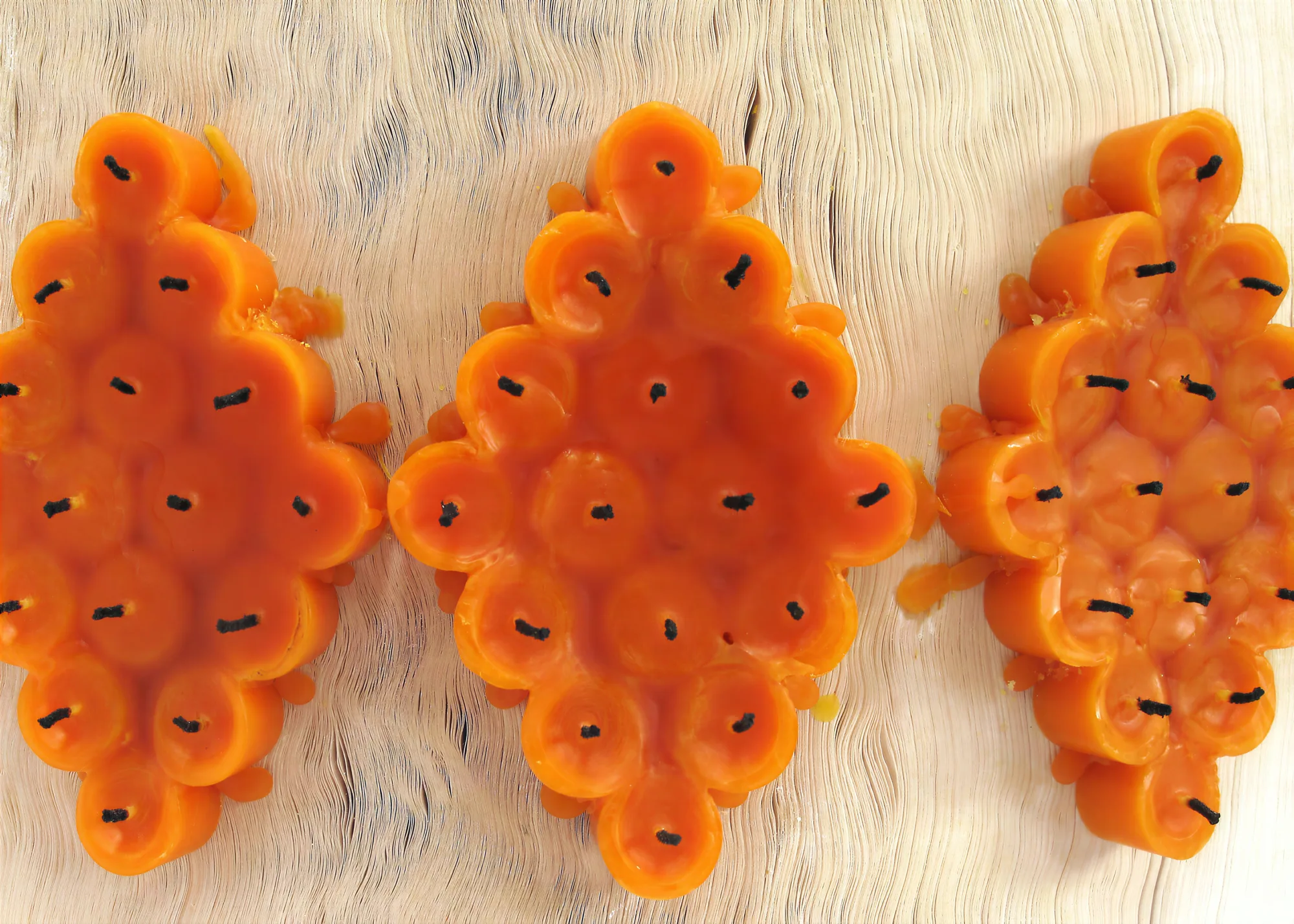
His work forms part of appropriationism of everyday and domestic objects —curls, thumbtacks, everyday and domestic —curls, thumbtacks, everyday and domestic —curls, thumbtacks, everyday and domestic —curls, thumbtacks, everyday and domestic —curls, thumbtacks, everyday and domestic —curls, thumbtacks, everyday and domestic —curls, thumbtacks, everyday and domestic —curls, thumbtacks, everyday and domestic everyday and domestic use — curlers, thumbtacks, rubber gloves, laces, hair clips for hair, tights, etc.— which takes out of context, cuts out and reassembles until it nullifies their original function and their original identity . Through the manipulation, repetition and juxtaposition, these pieces are come together in structures that oscillate between the geometric and the organic, giving shape to new sculptural forms. The process, which is both manual and involves research, imposes on the object a formal discipline formal that arises from its own intrinsic qualities: in that operation Prada recognises the attention paid to the materials inherent of conceptual language, but shifts it towards everyday domestic life, a register which mocks the fragility and banality ofthe ordinary and which places the person who observes in a double interpretation between reality and fiction.

His work gained international recognition through his participation in the Biennial of São Paulo (1994) and his solo exhibitions at the Museo Nacional Centro deReina Sofía Art Centre (MNCARS, Madrid, 1995) and the Valencian Institute of Modern Art (IVAM, Valencia, 1995). He has exhibited, among other venues, at Witte de With (Rotterdam, 1996), The New Museum of Contemporary Art (New York, 1998), Jerwood Space (London, 1999) and the Sala Parpalló (Valencia, 2010). Between 2020 and 2021, the Centre for Contemporary Creation of Andalusia (C3A, Córdoba) and the MUSAC (León) presented Todo es otro, a review of his sculptural and installation work since 1994, curated by Manuel Olveira and Álvaro Rodríguez Fominaya.

His work is held in collections such as the Arts Council Collection (United Kingdom), the Collection of Banco de España, the MACBA, the MUSAC, La Caixa, CAAC, Galila Barzilaï-Hollander and the Helga de Alvear Foundation.
CV

News

Google reCaptcha: Invalid site key.

Subscribe to the Newsletter

Google reCaptcha: Invalid site key.