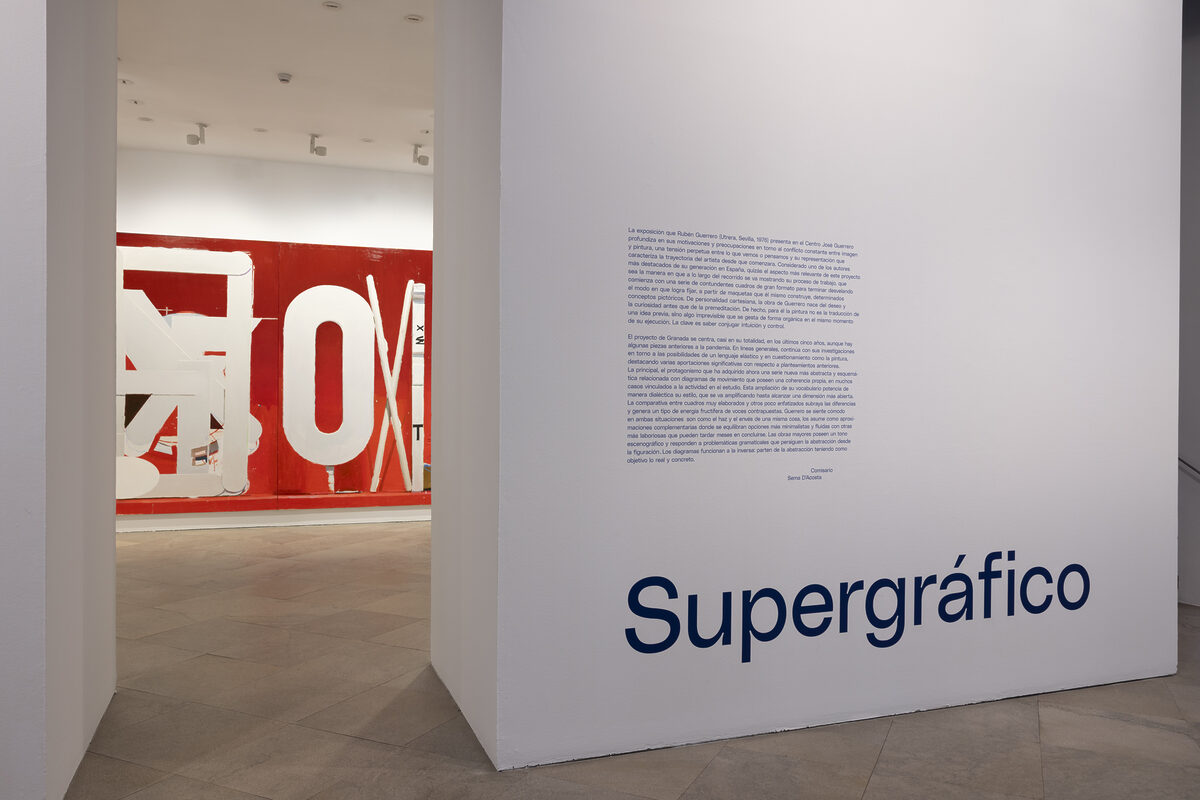
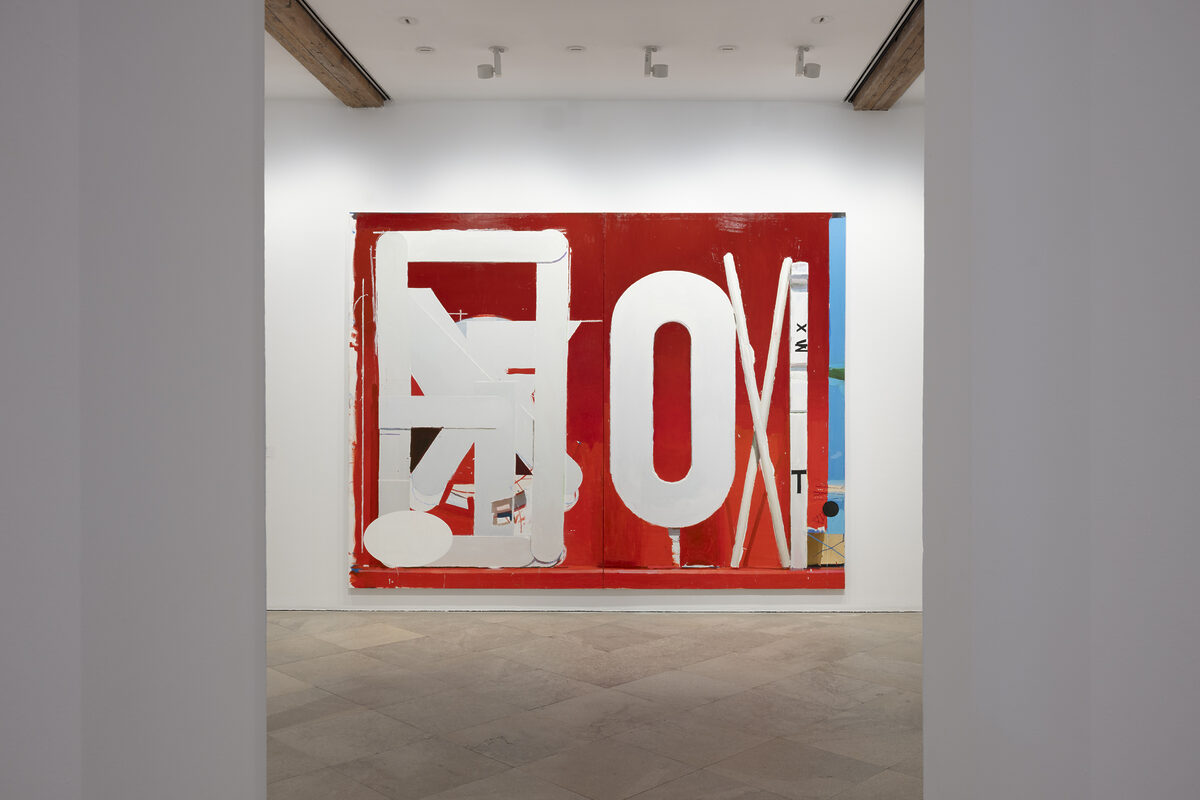
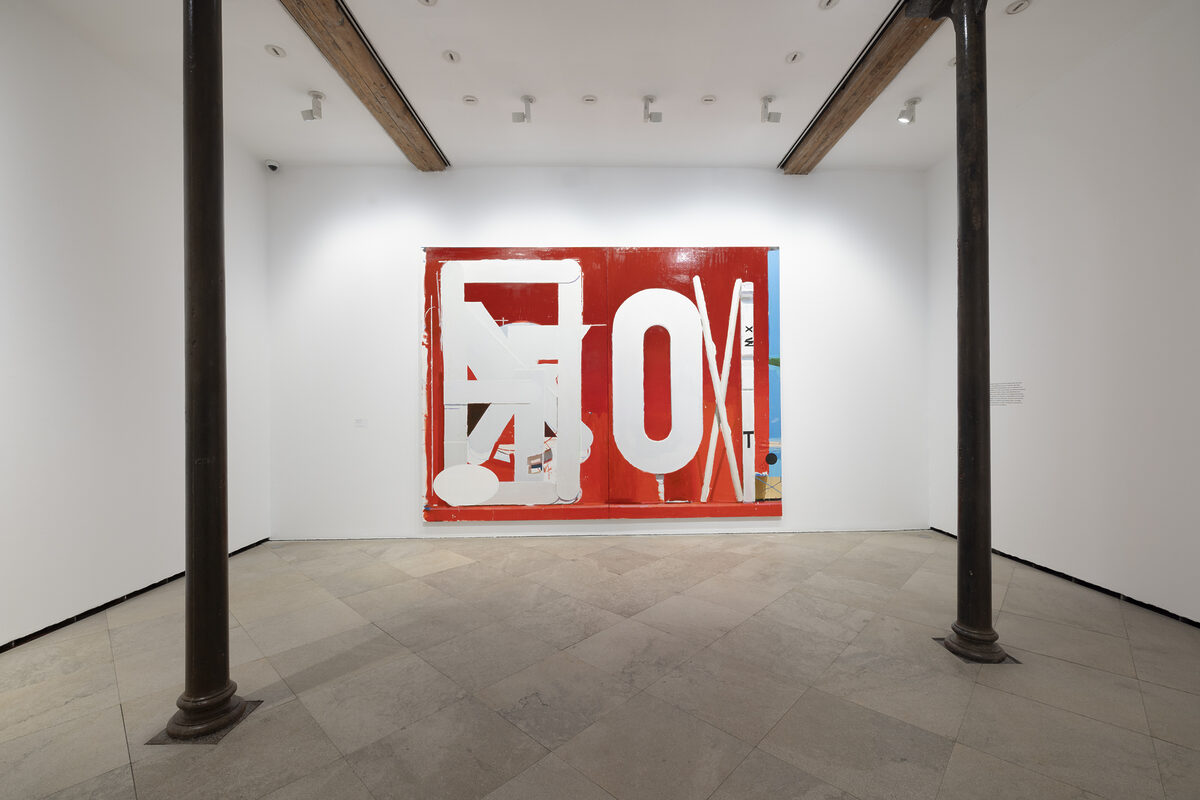
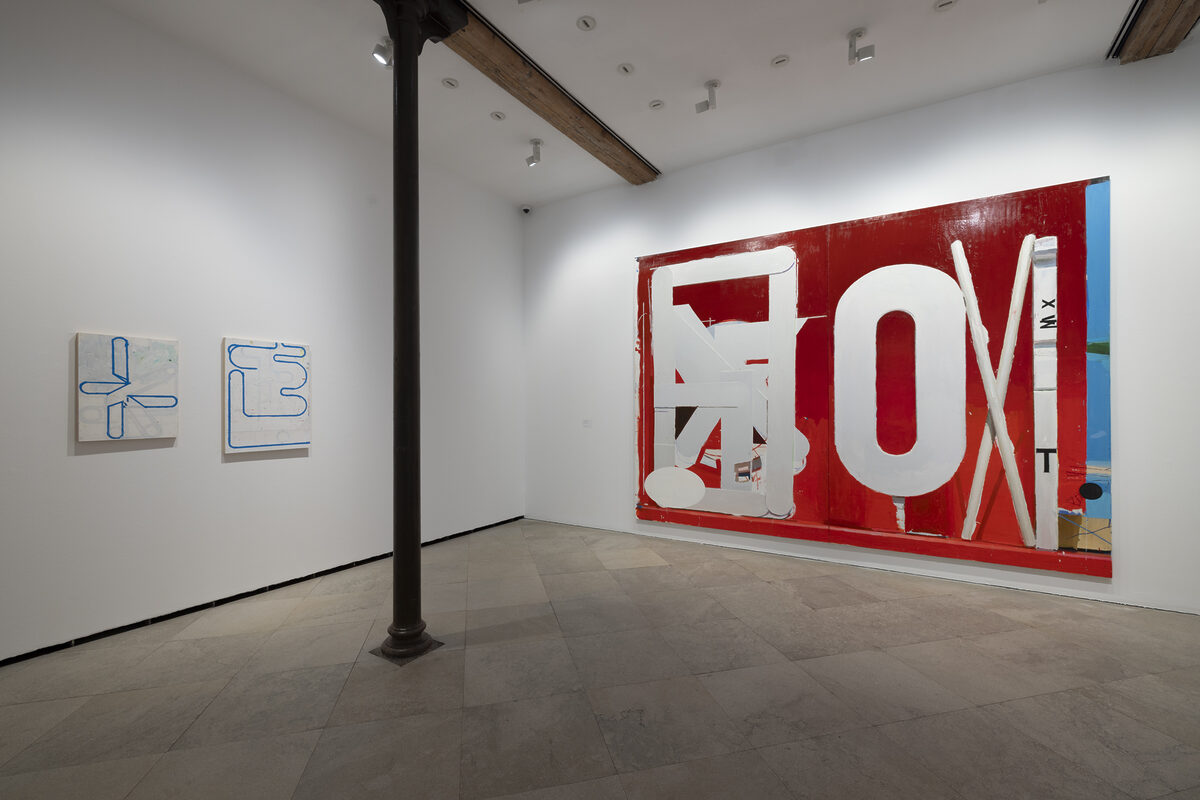
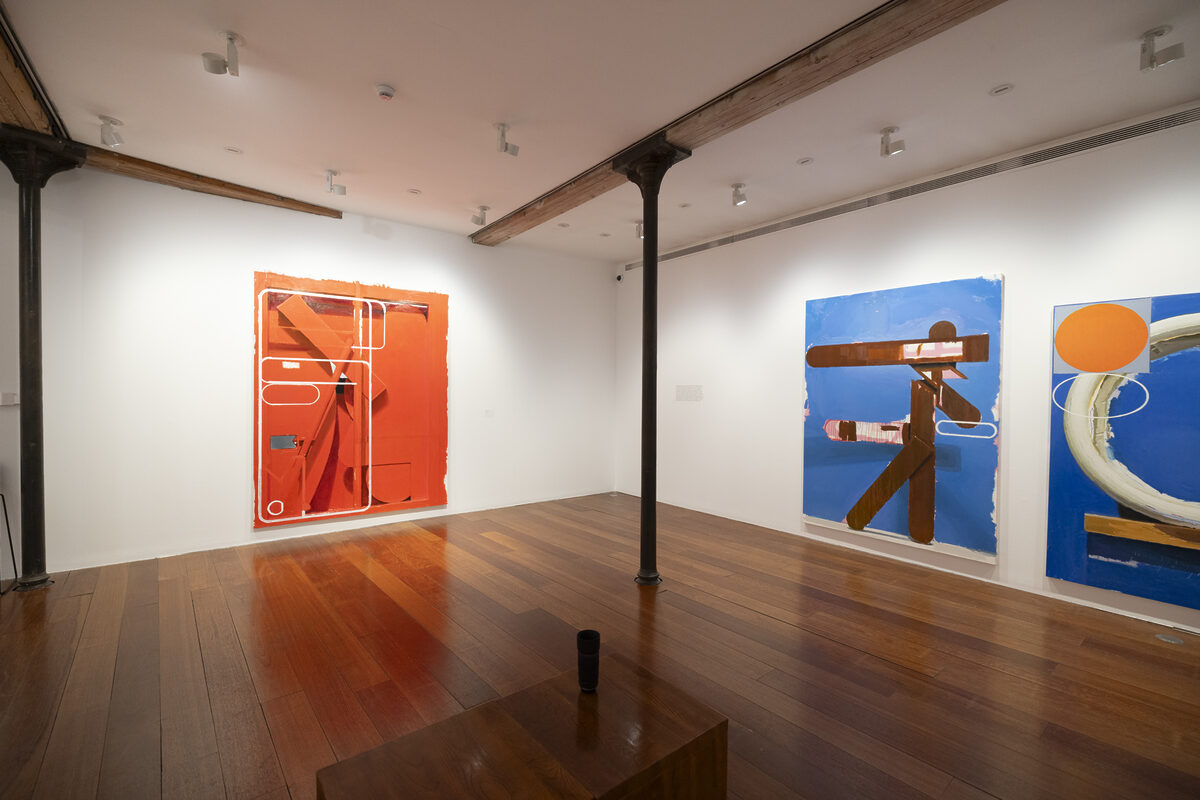
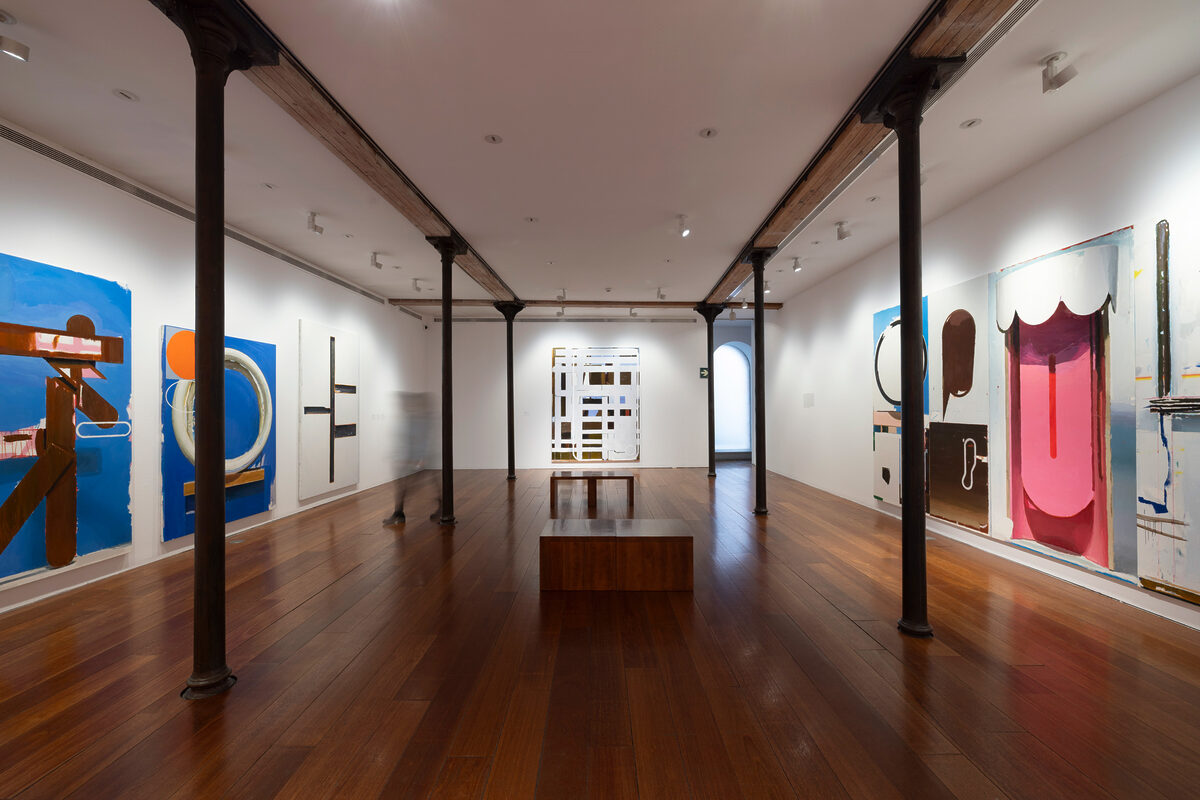
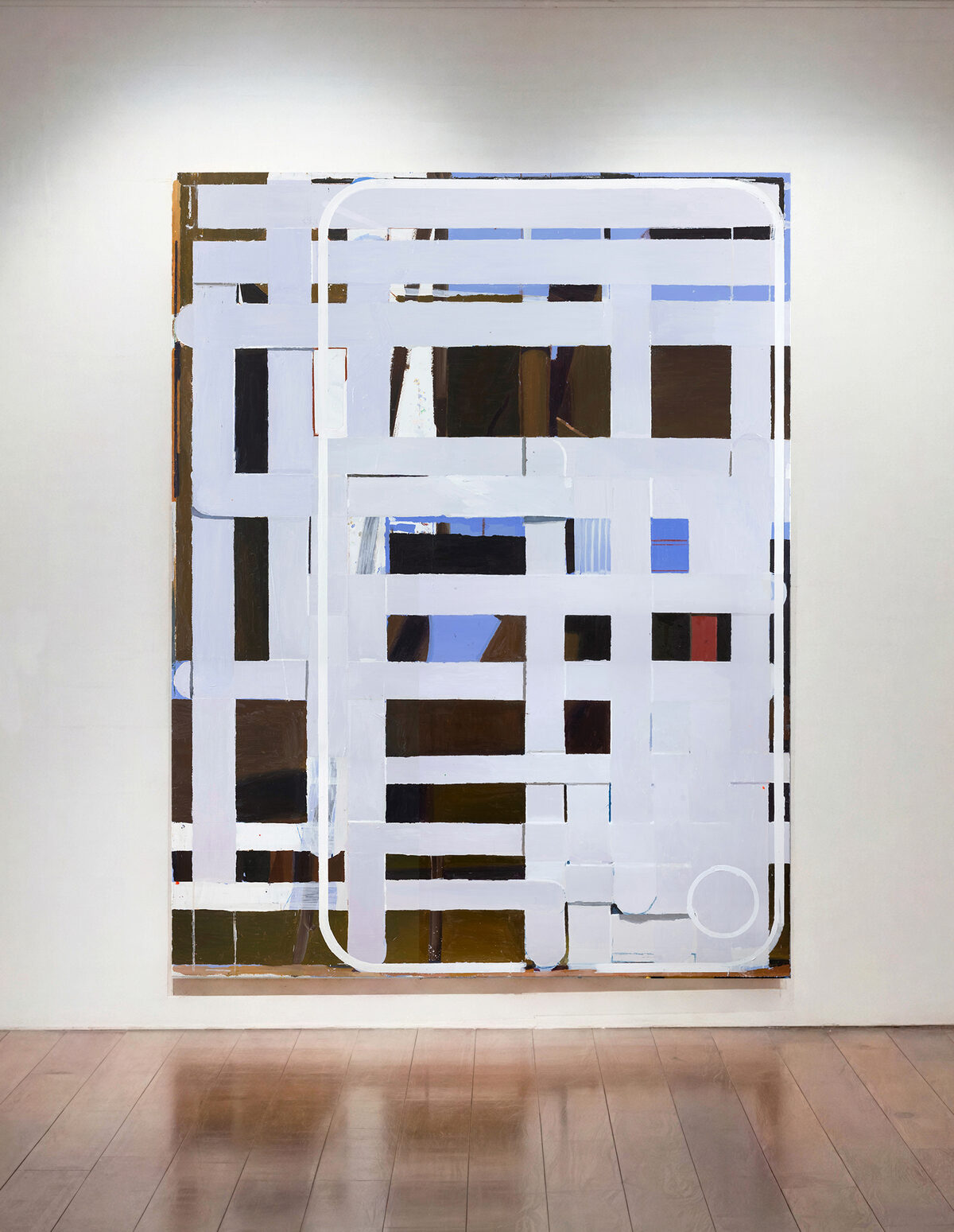
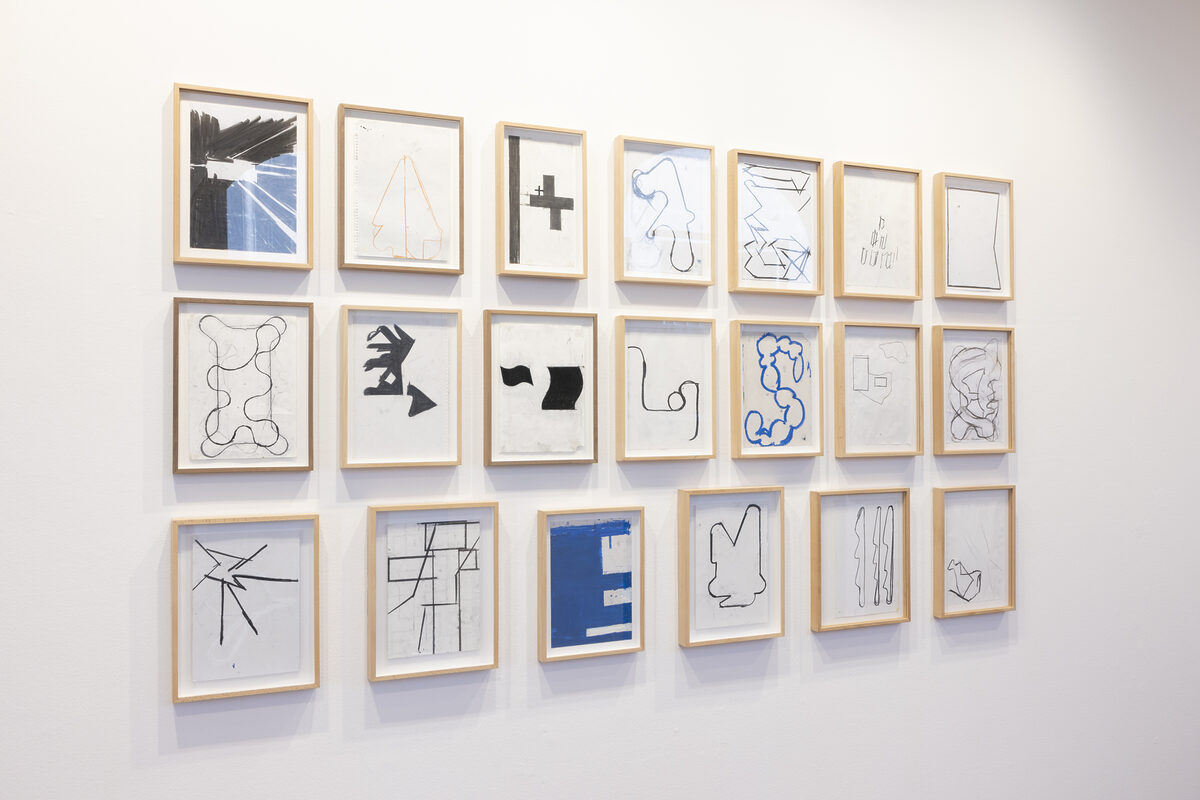
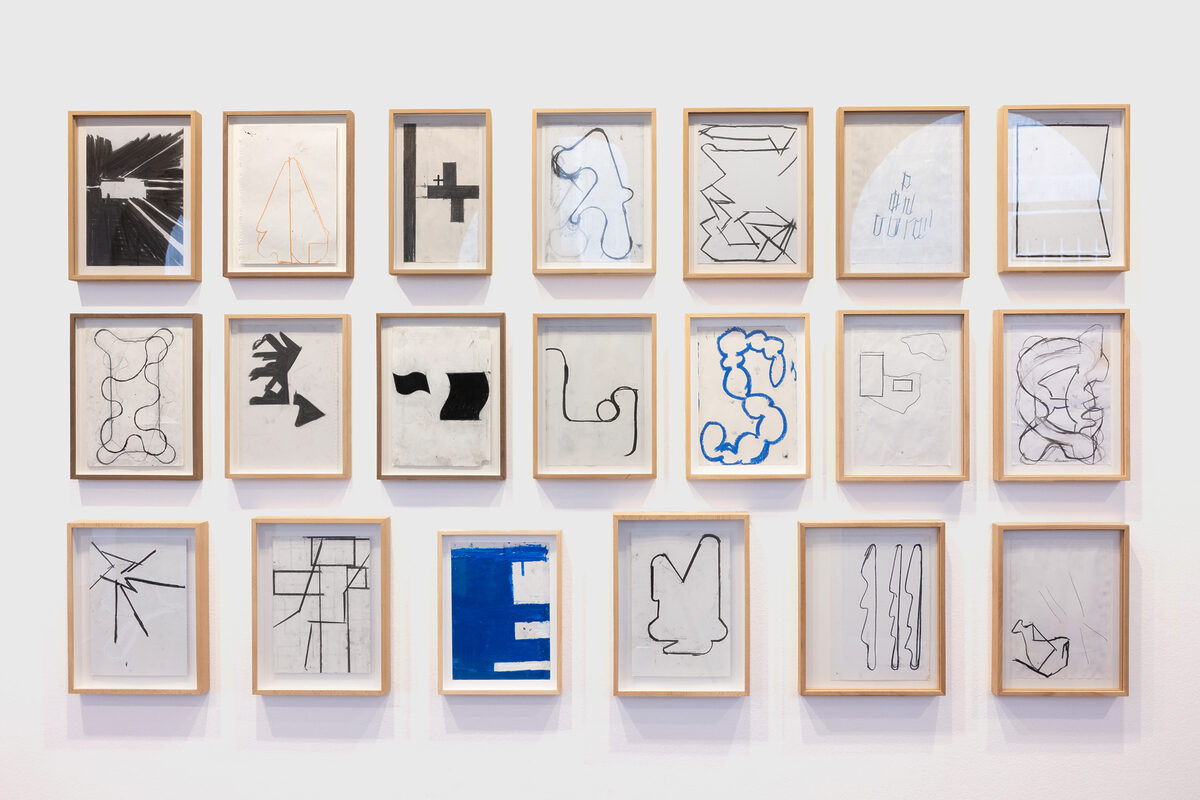
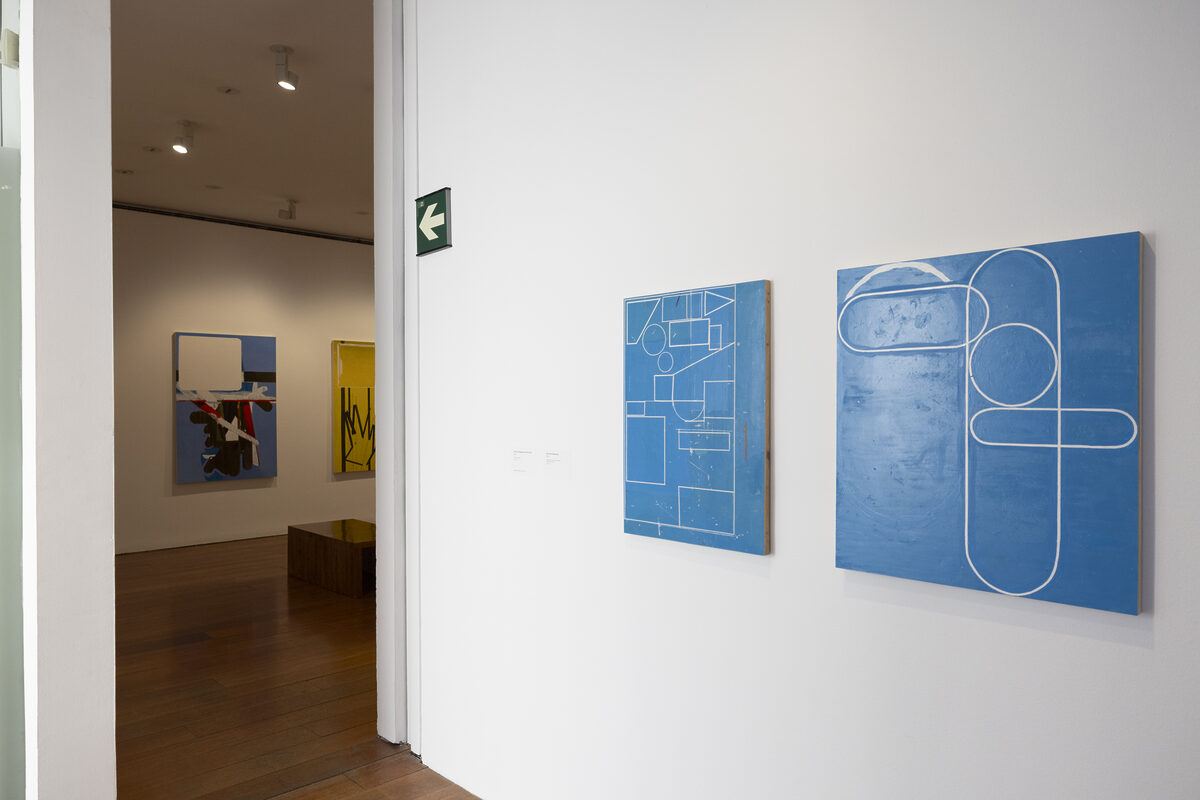
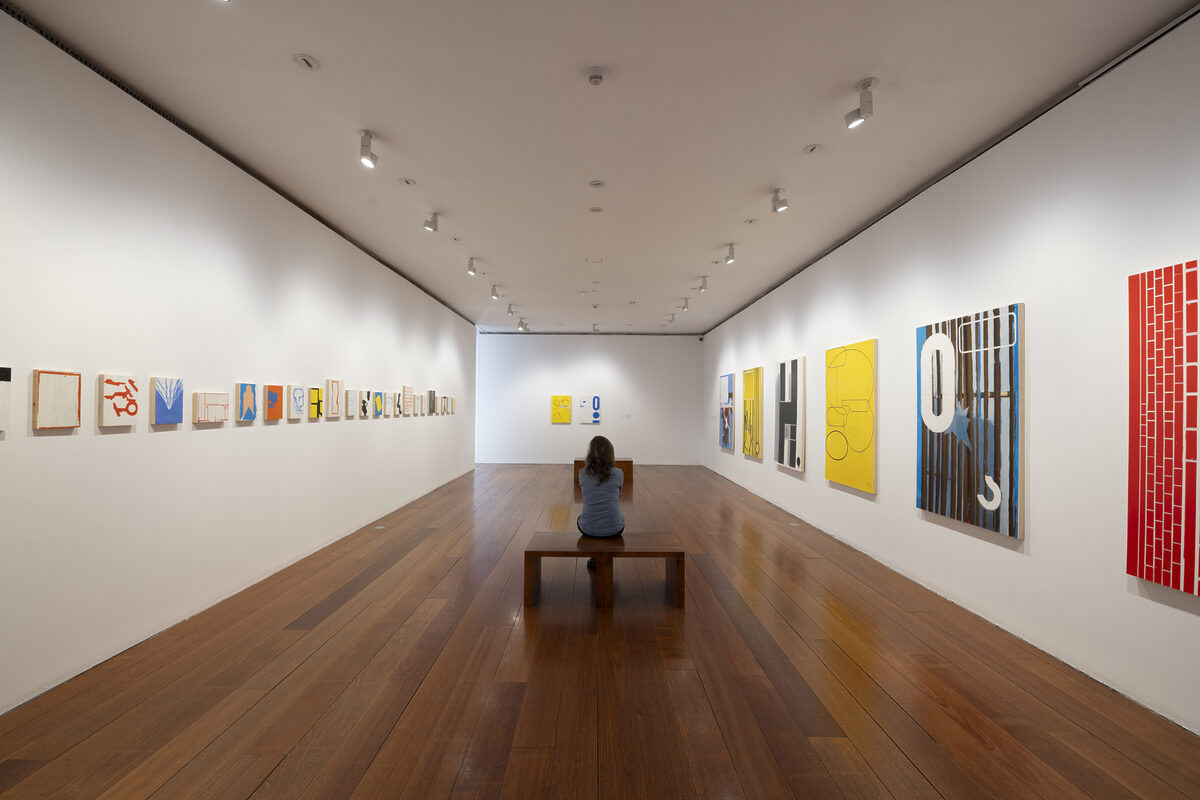
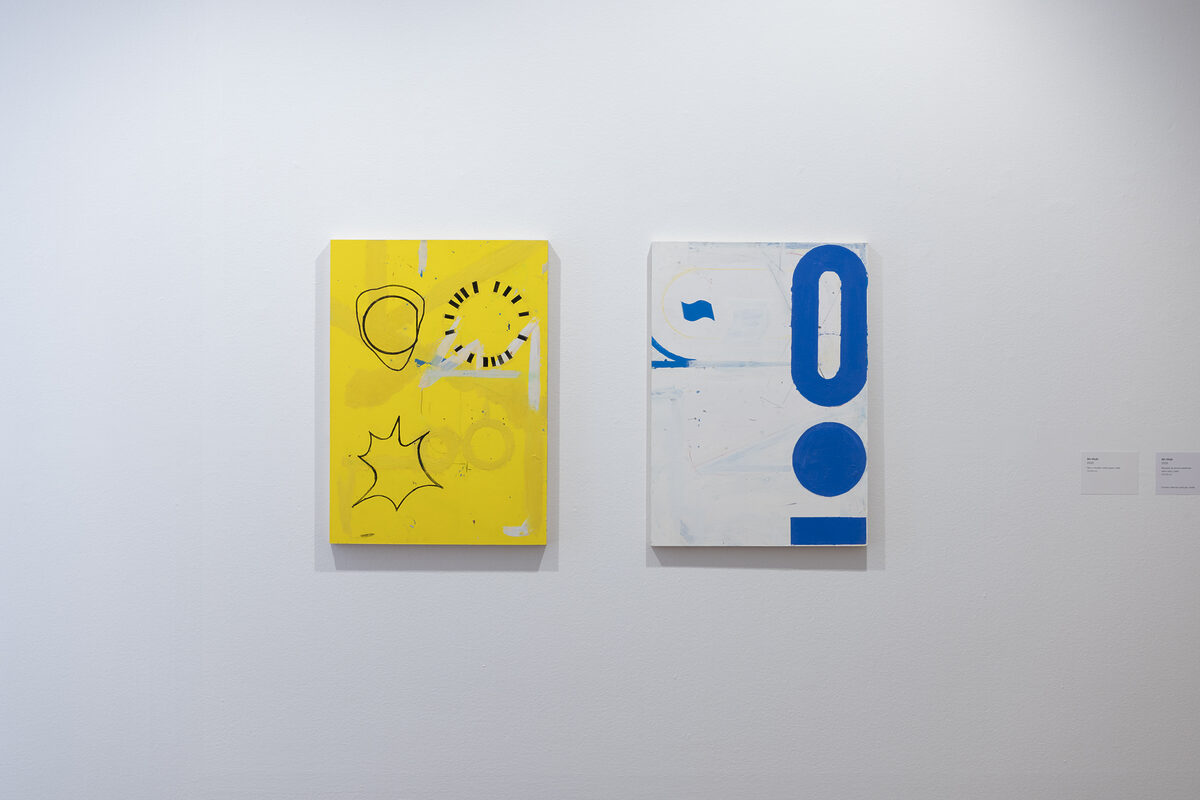
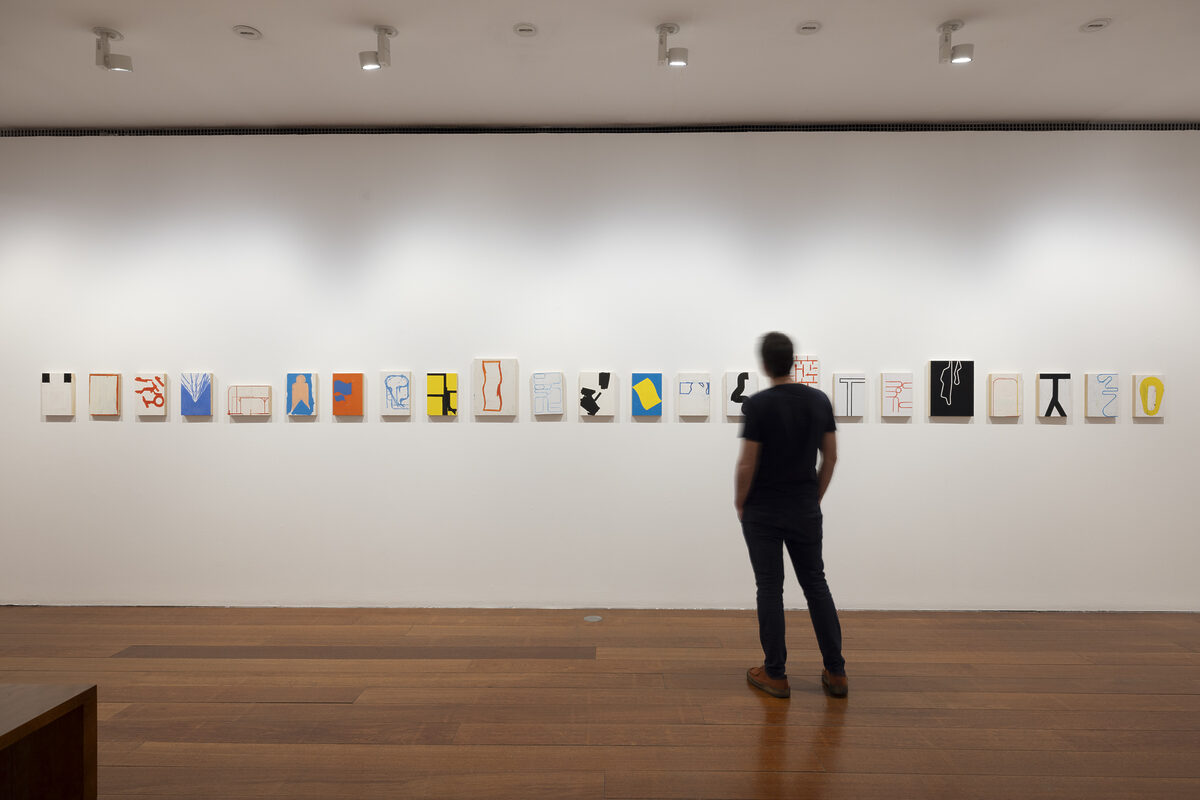
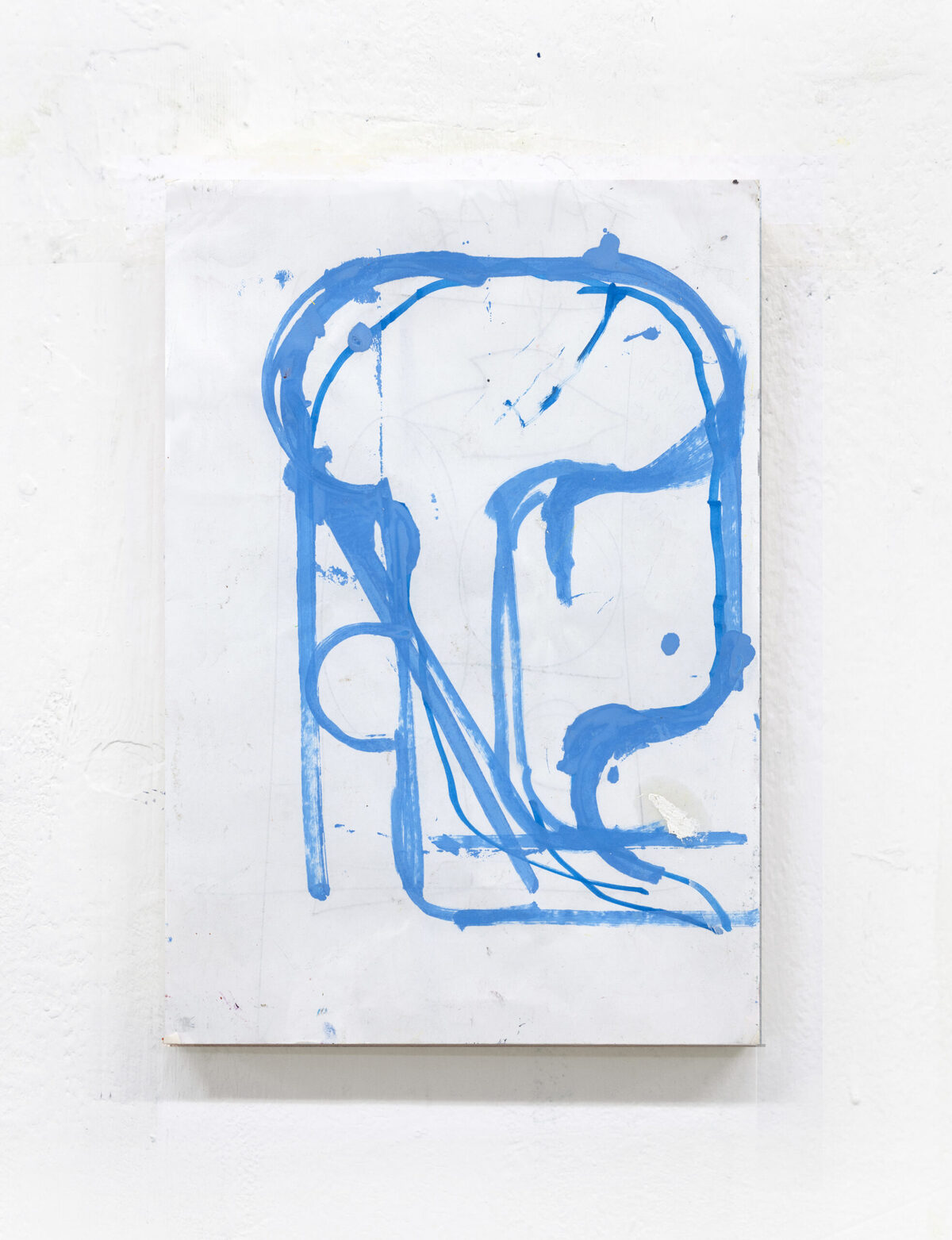
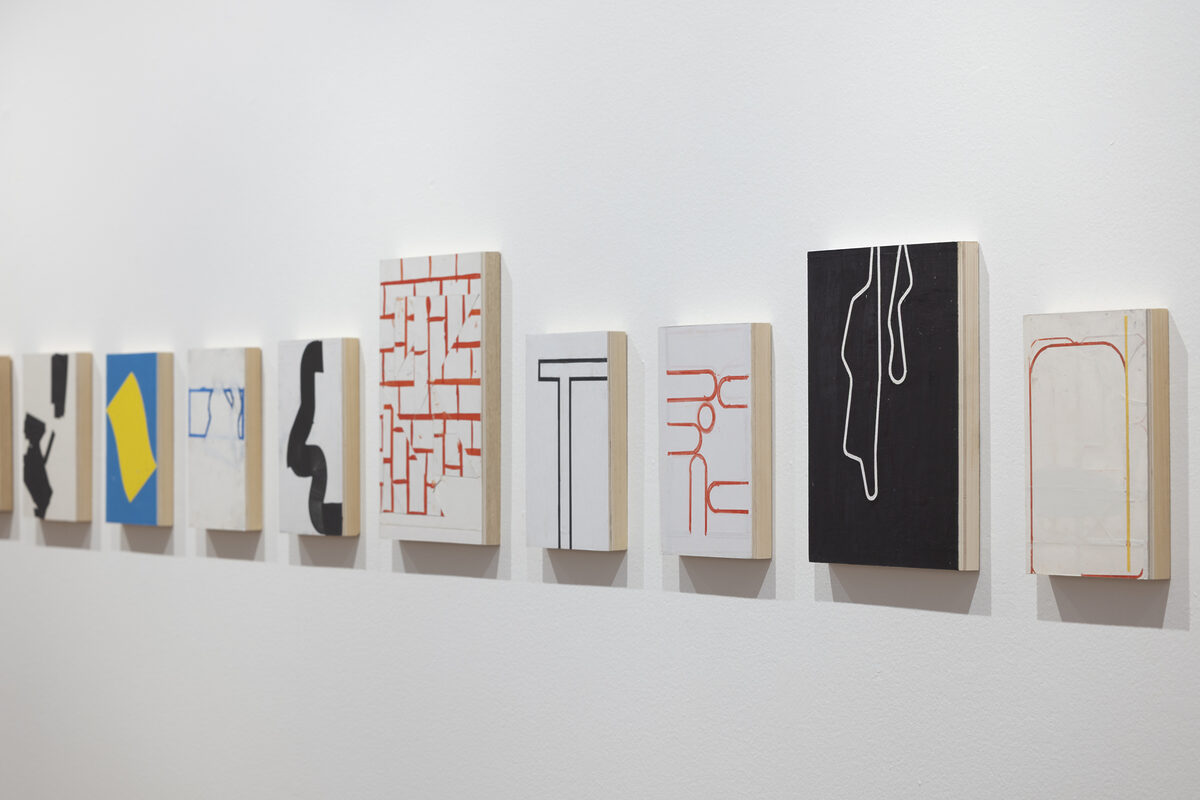
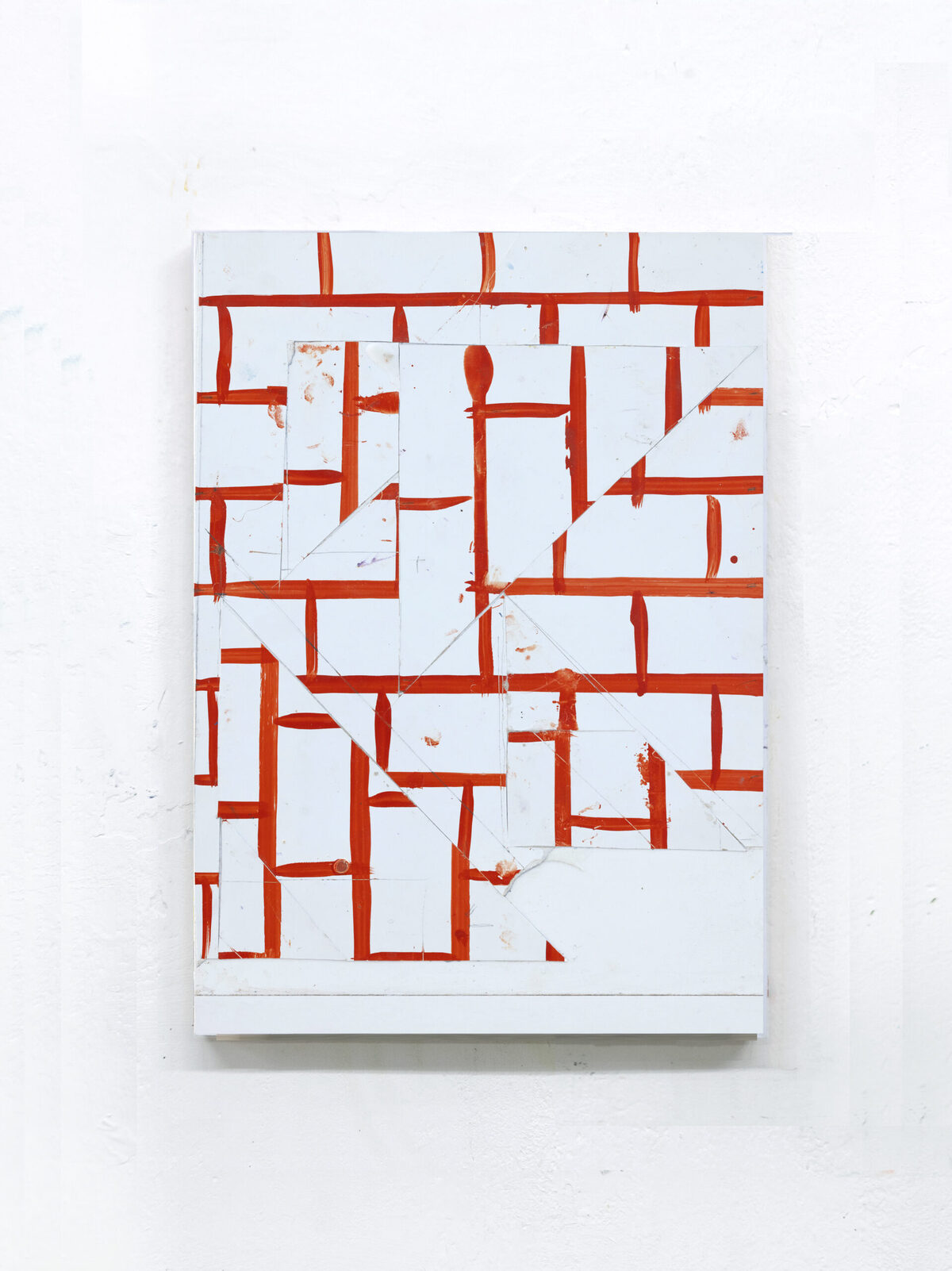
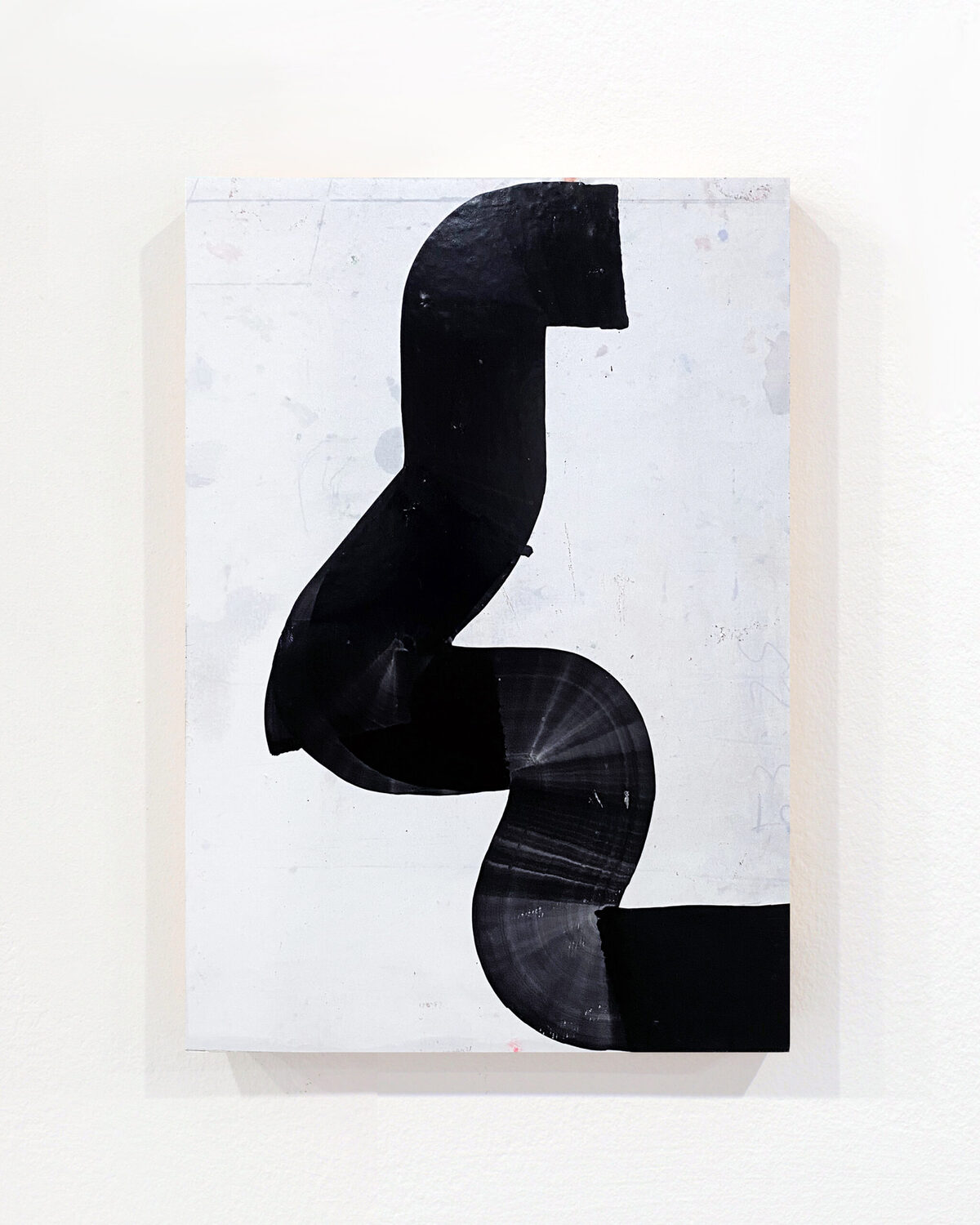
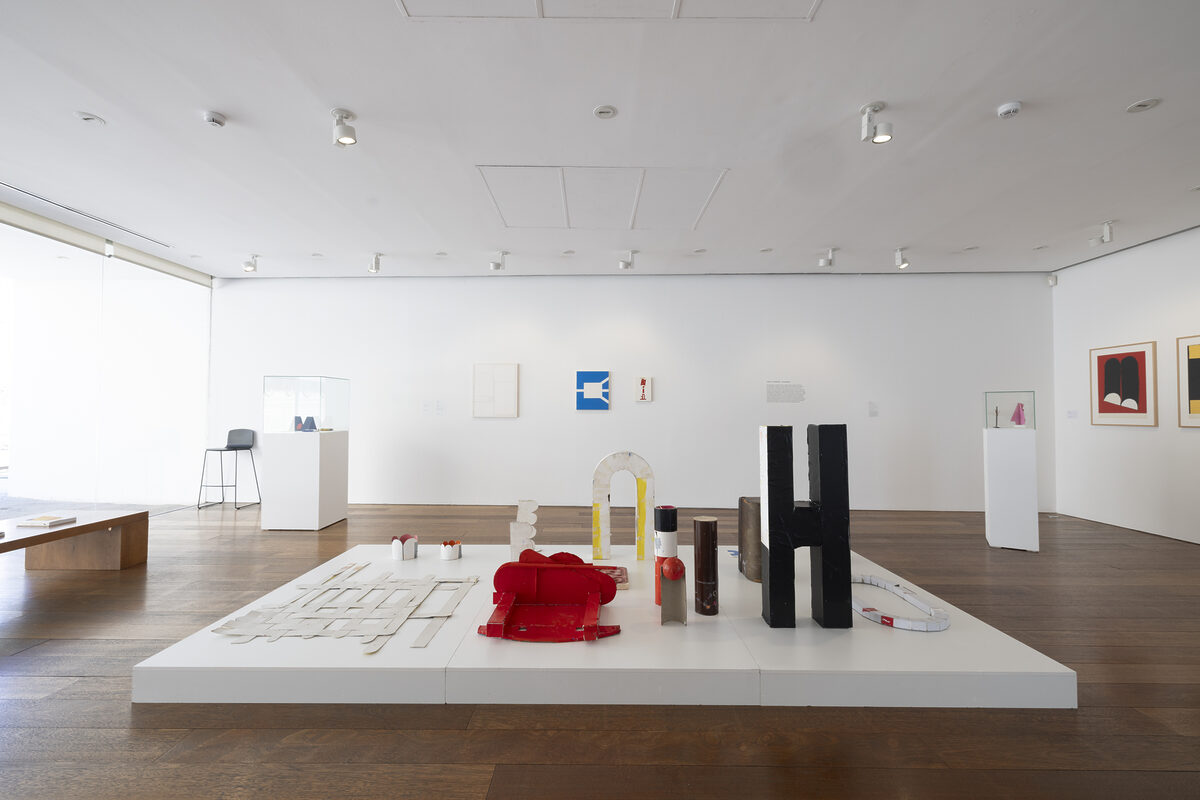
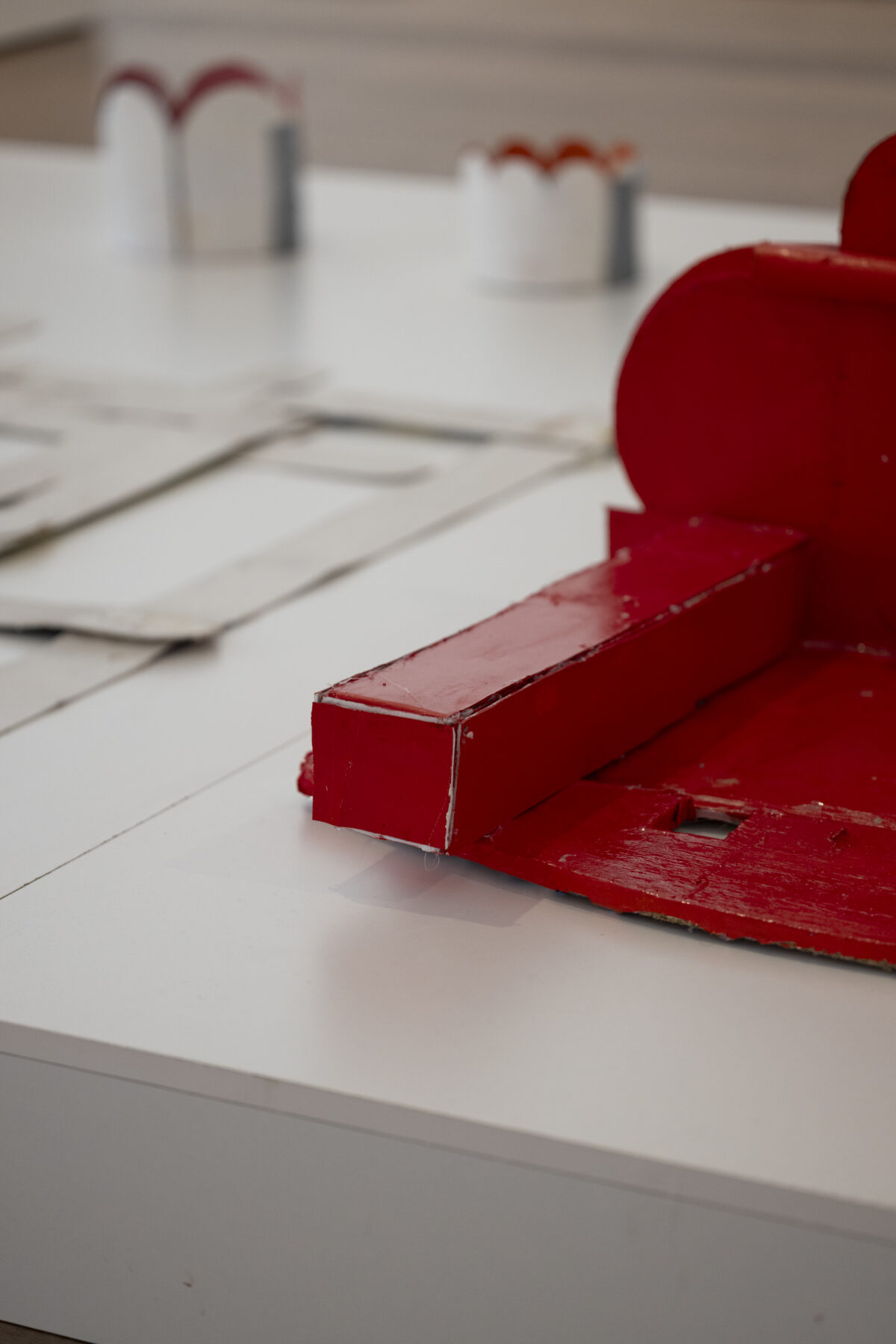
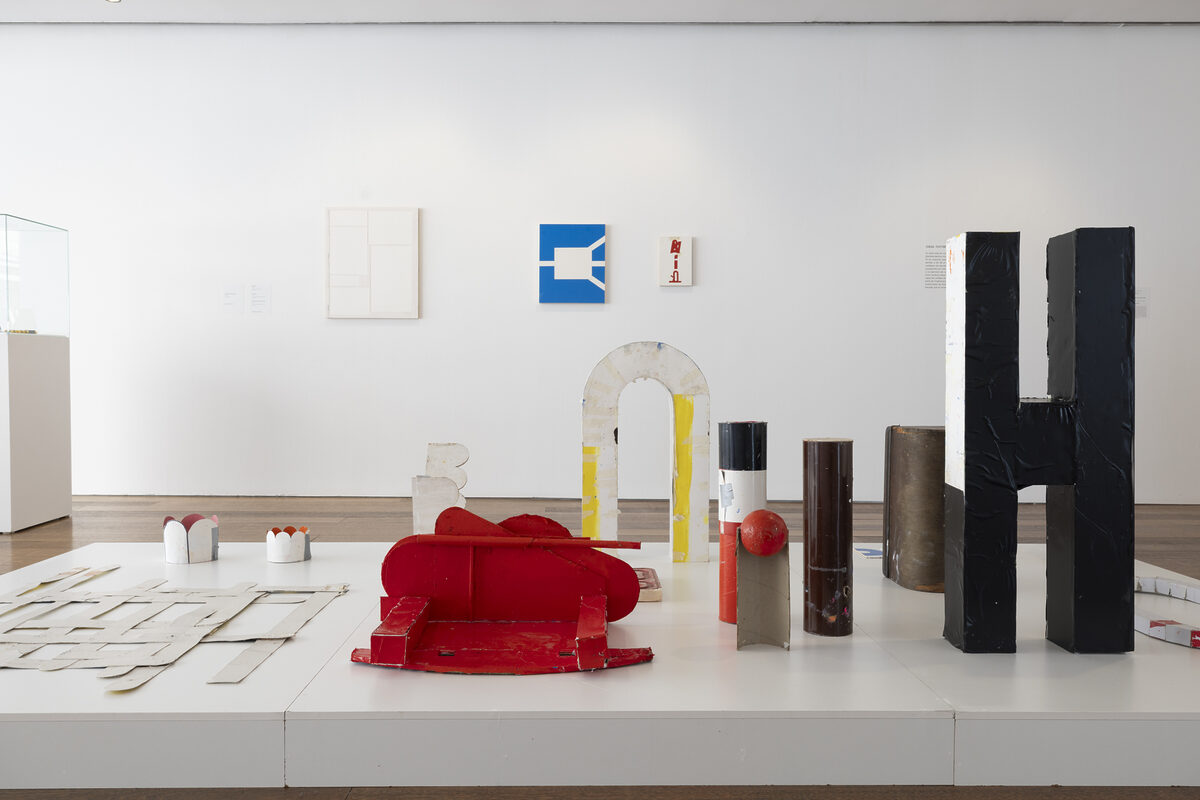
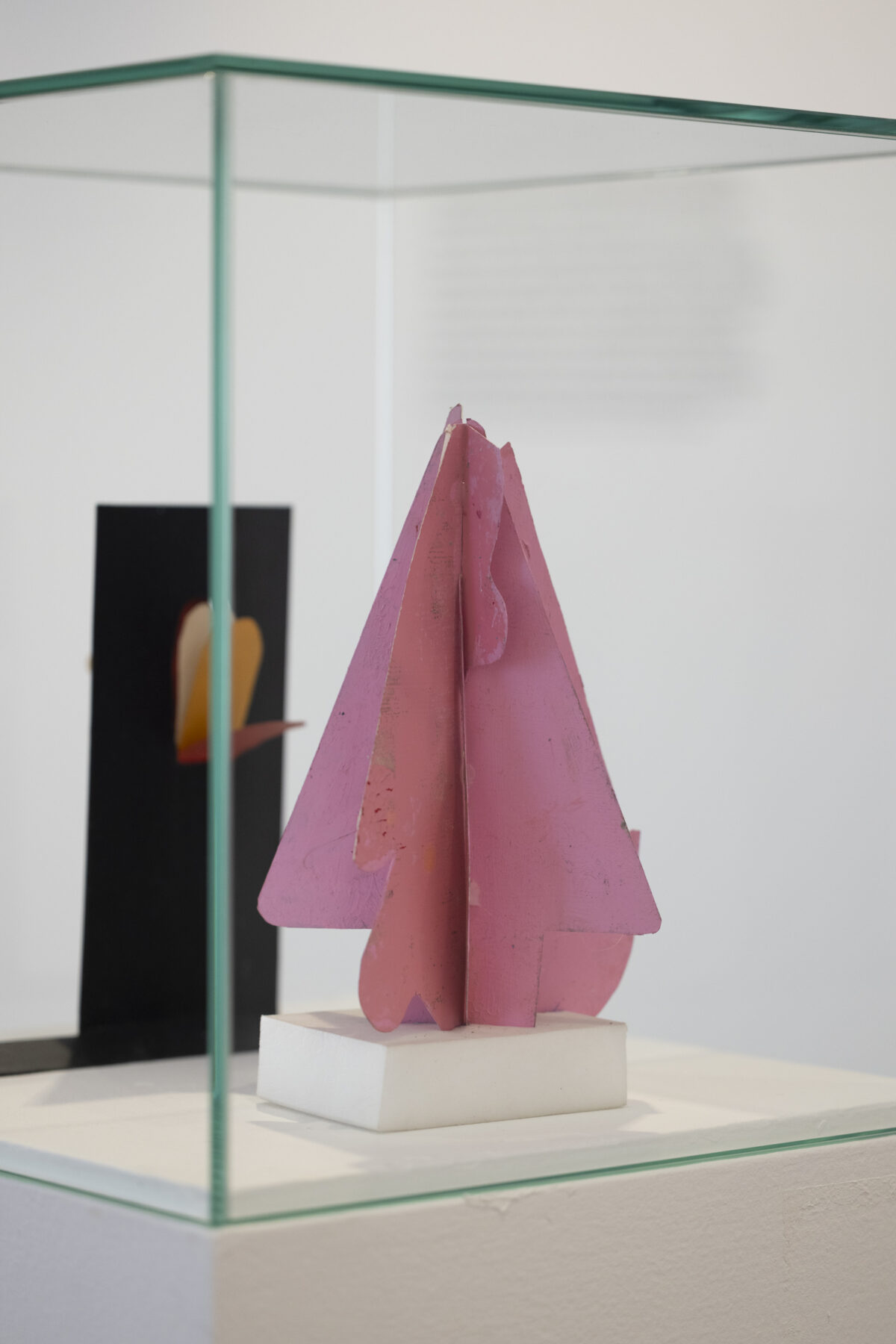
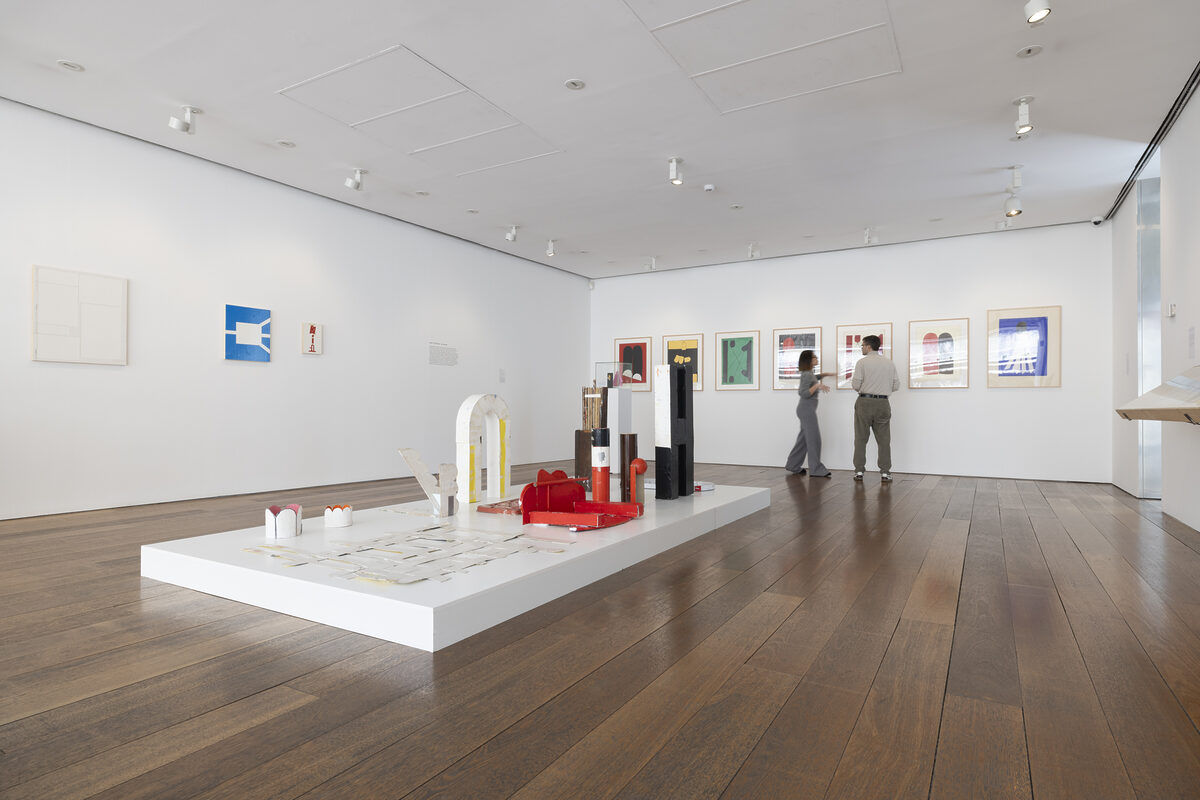
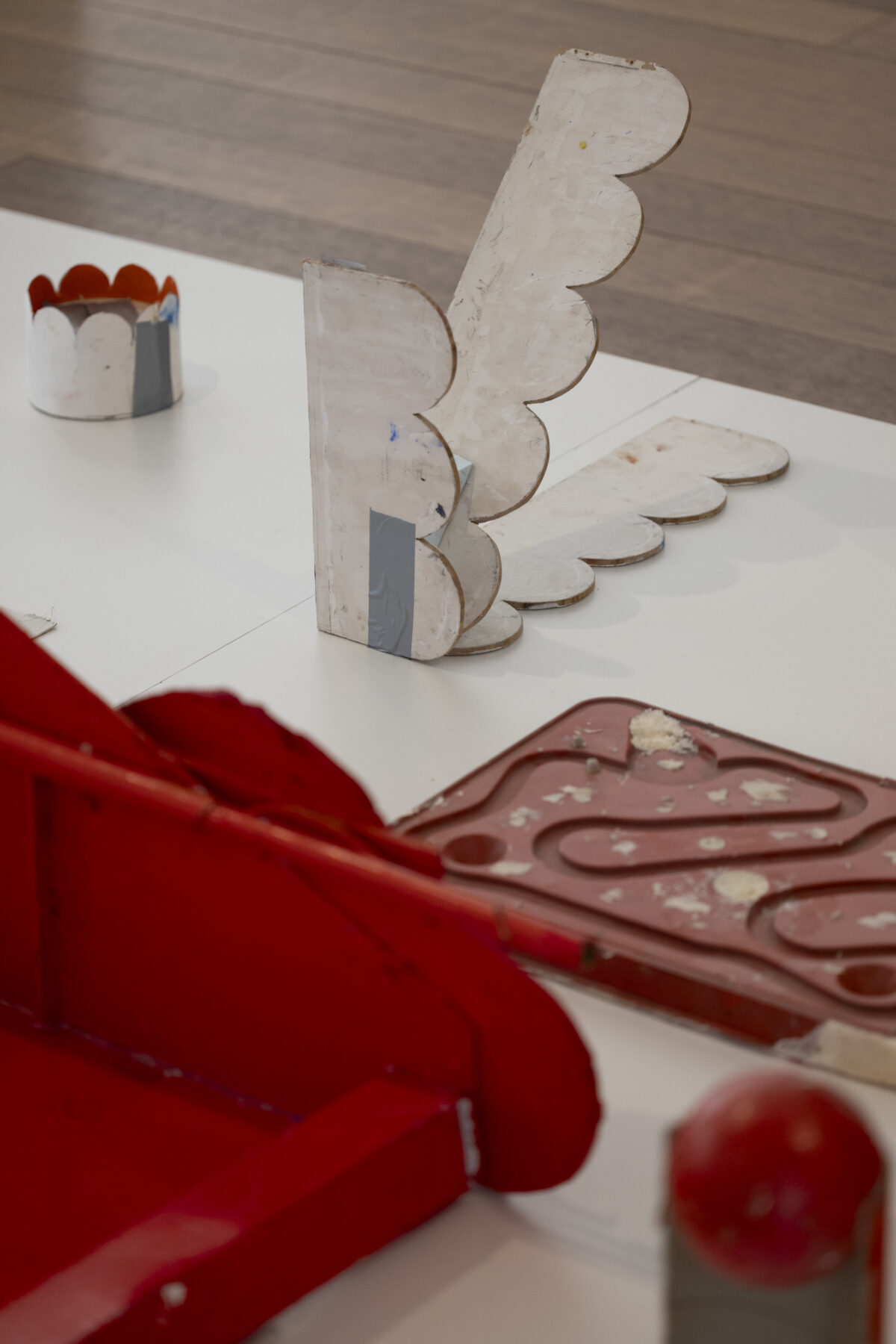
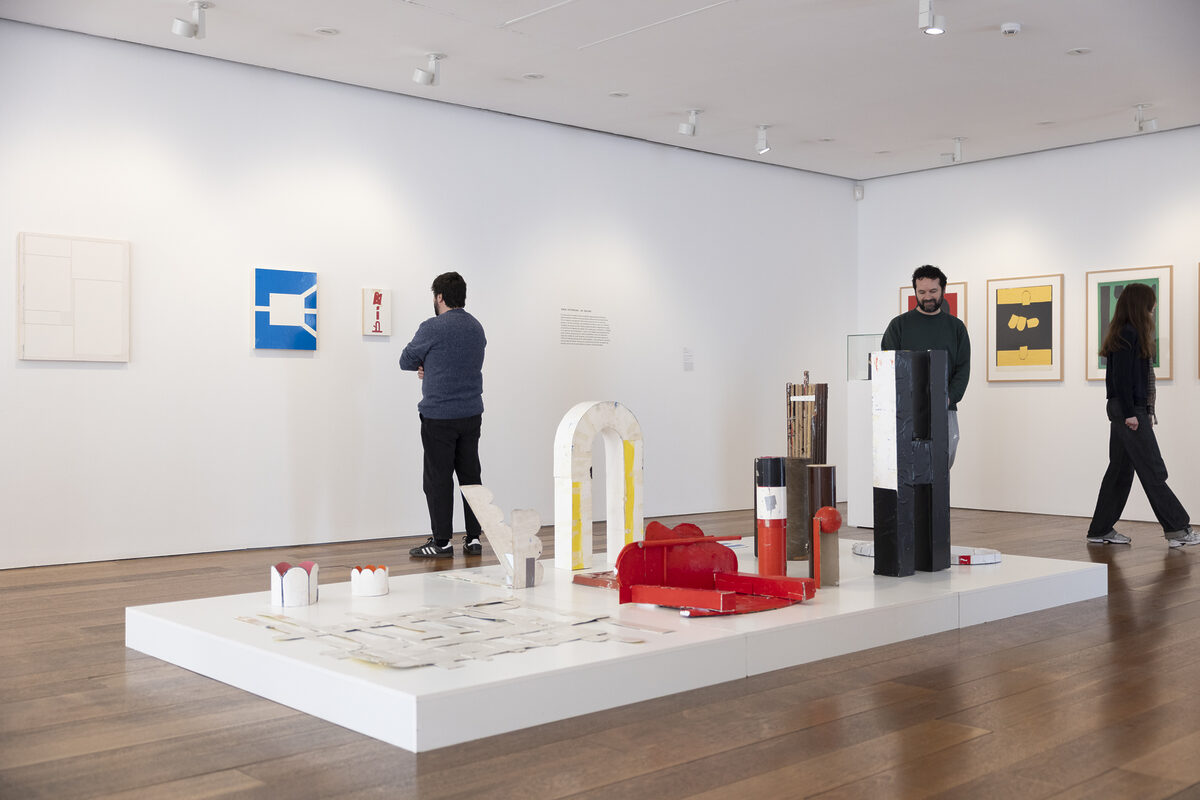
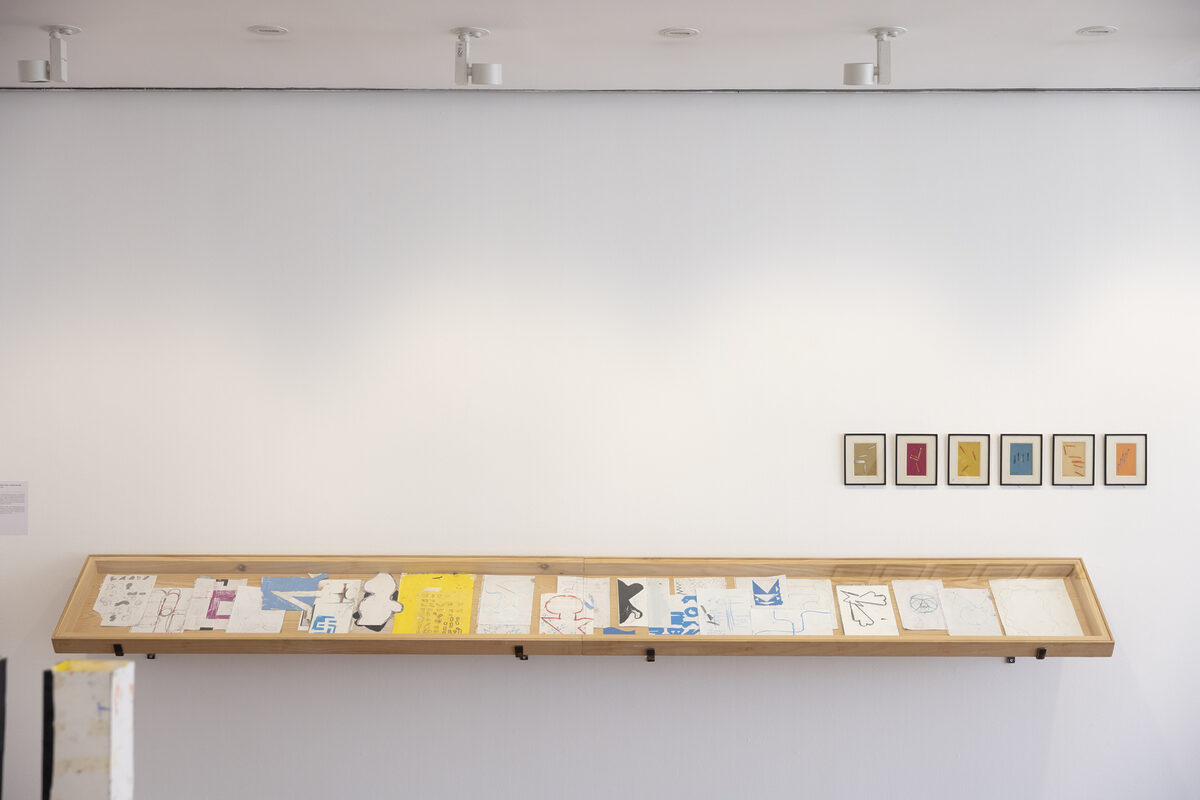
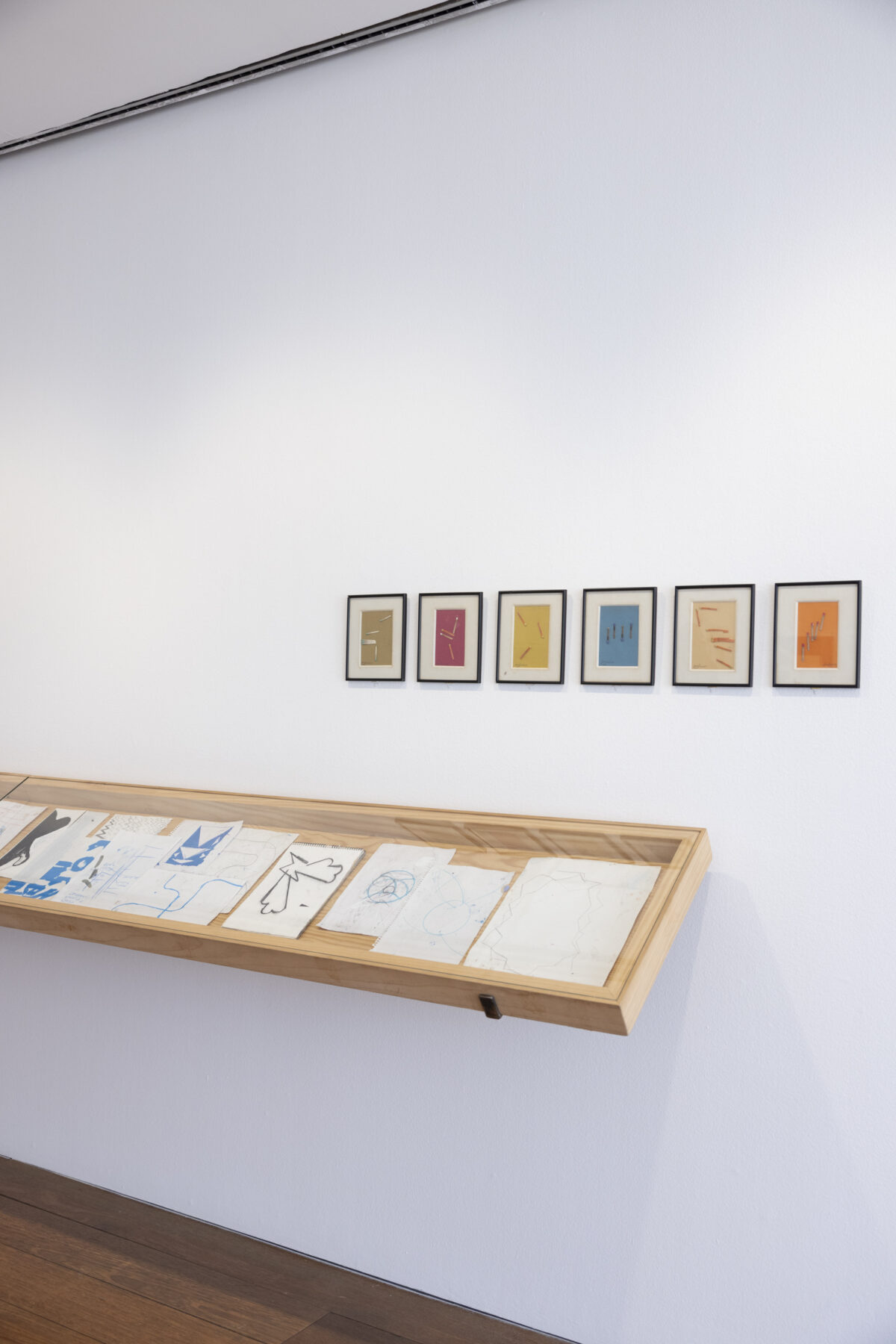
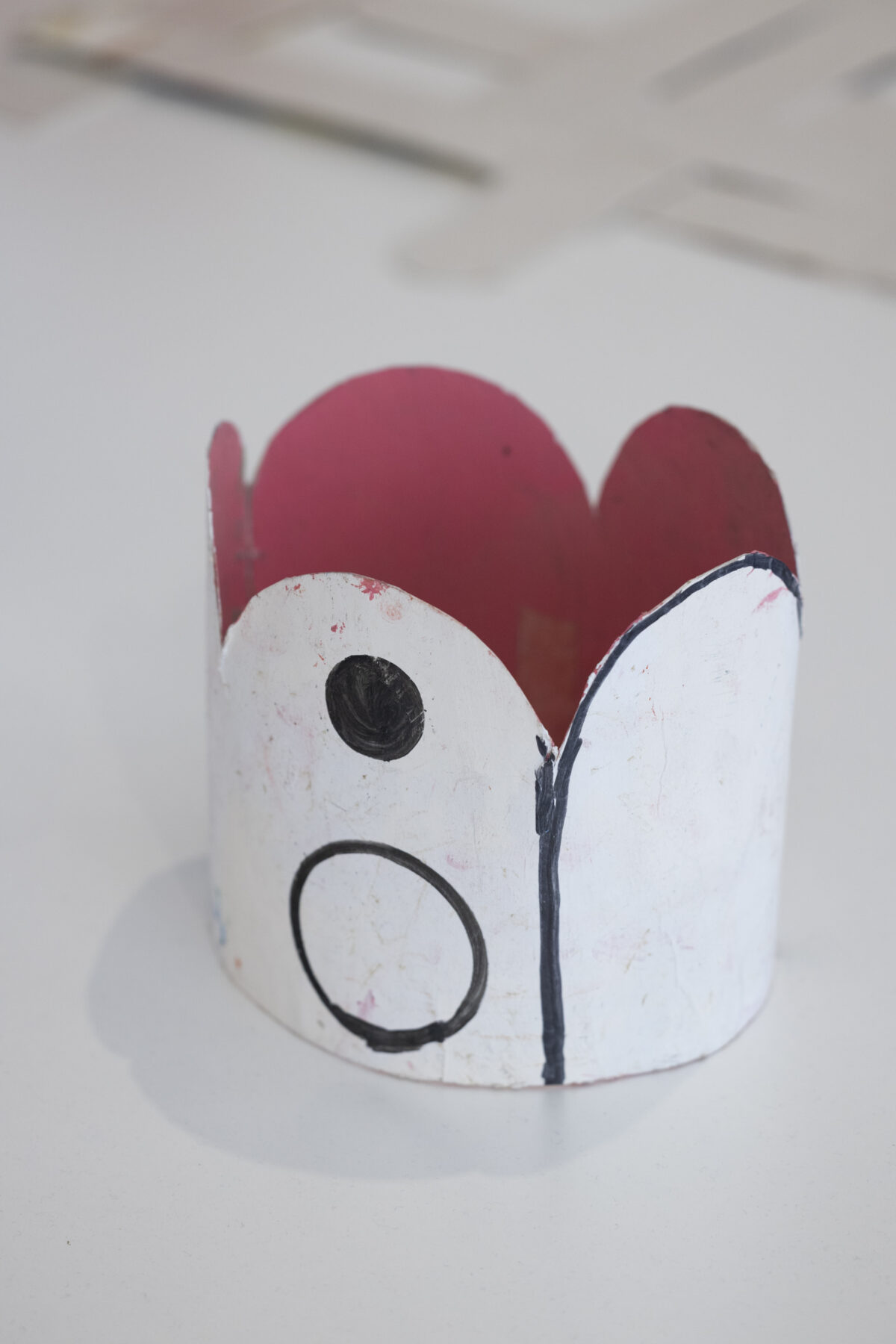
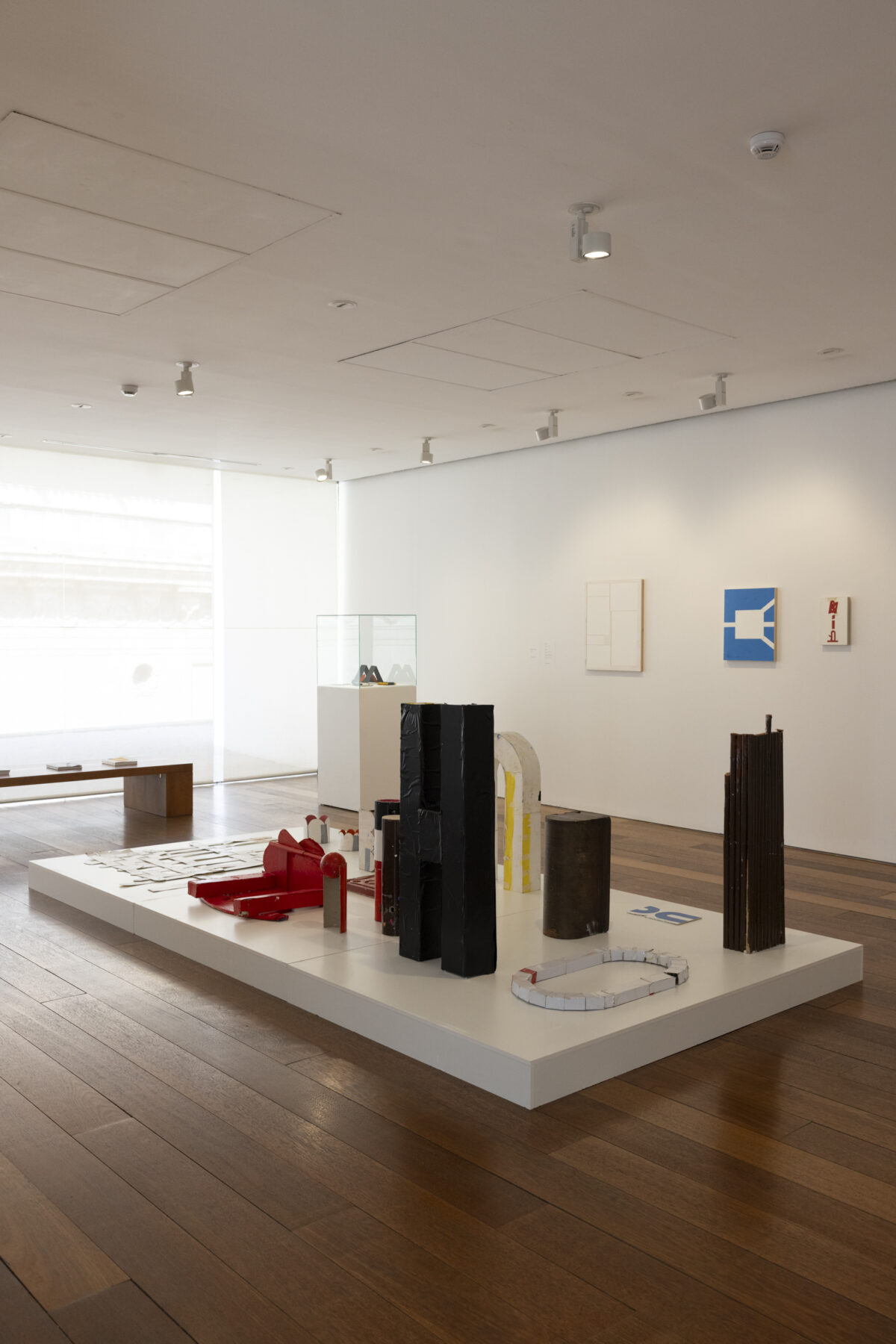
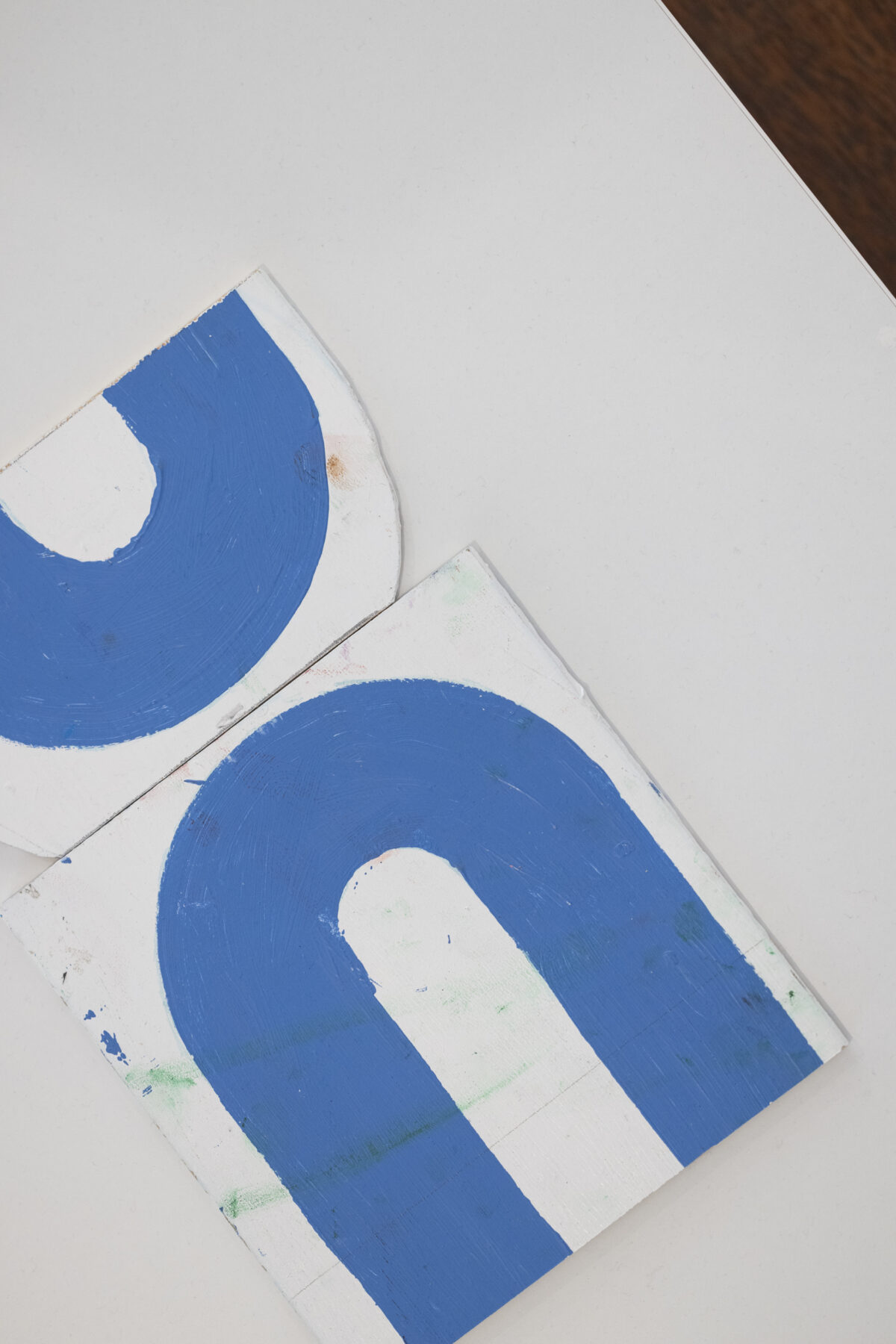
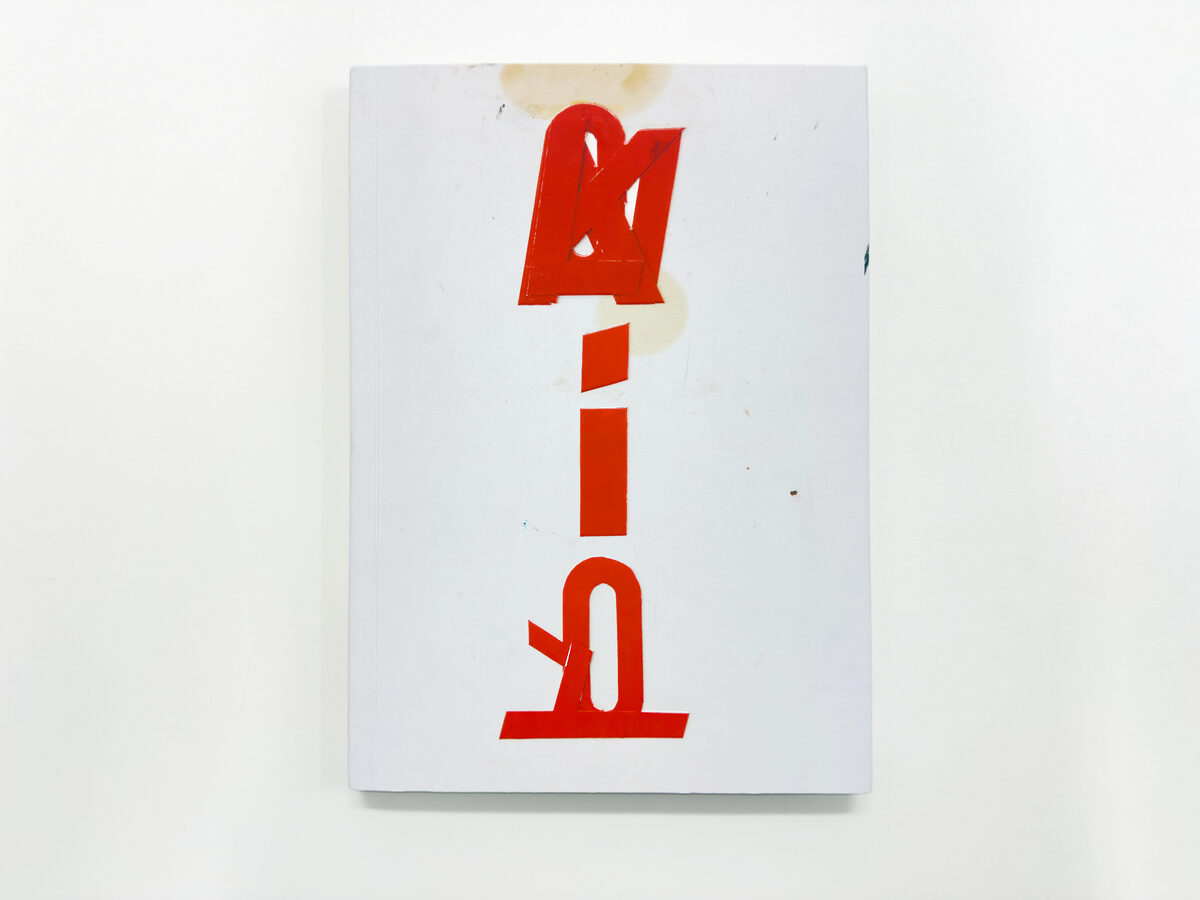
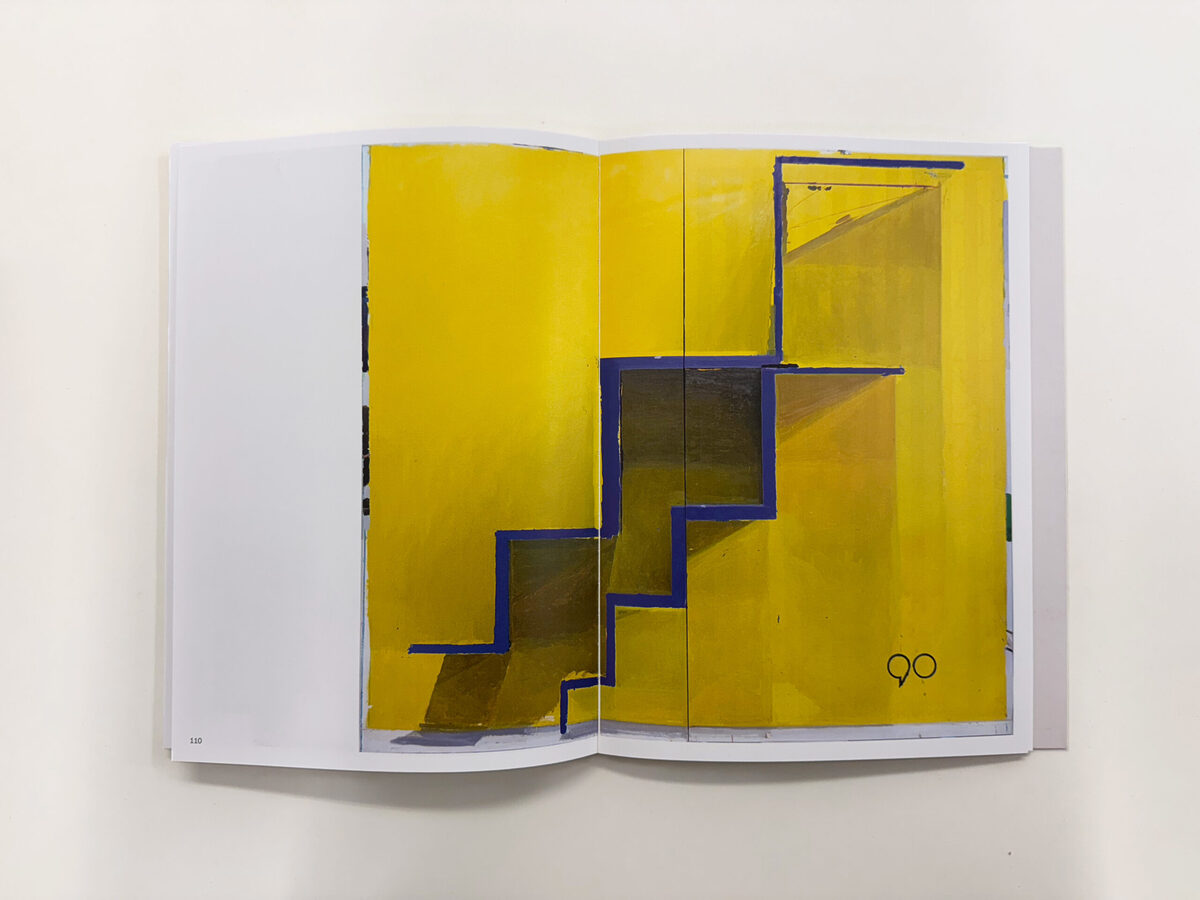
The exhibition presented by Rubén Guerrero (Utrera, Seville, 1976) at the José Guerrero Center delves into his motivations and concerns regarding the constant conflict between image and painting, a perpetual tension between what we see or think and its representation that has characterized the artist’s career since he began. Considered one of the most prominent artists of his generation in Spain, perhaps the most relevant aspect of this project is the way in which his working process is revealed throughout the exhibition, beginning with a series of striking large-format paintings and ending with the unveiling of how he manages to capture certain pictorial concepts using models he builds himself. With a Cartesian personality, Guerrero’s work stems from desire and curiosity rather than premeditation. In fact, for him, painting is not the translation of a preconceived idea, but something unpredictable that develops organically at the very moment of its execution. The key is knowing how to combine intuition and control.
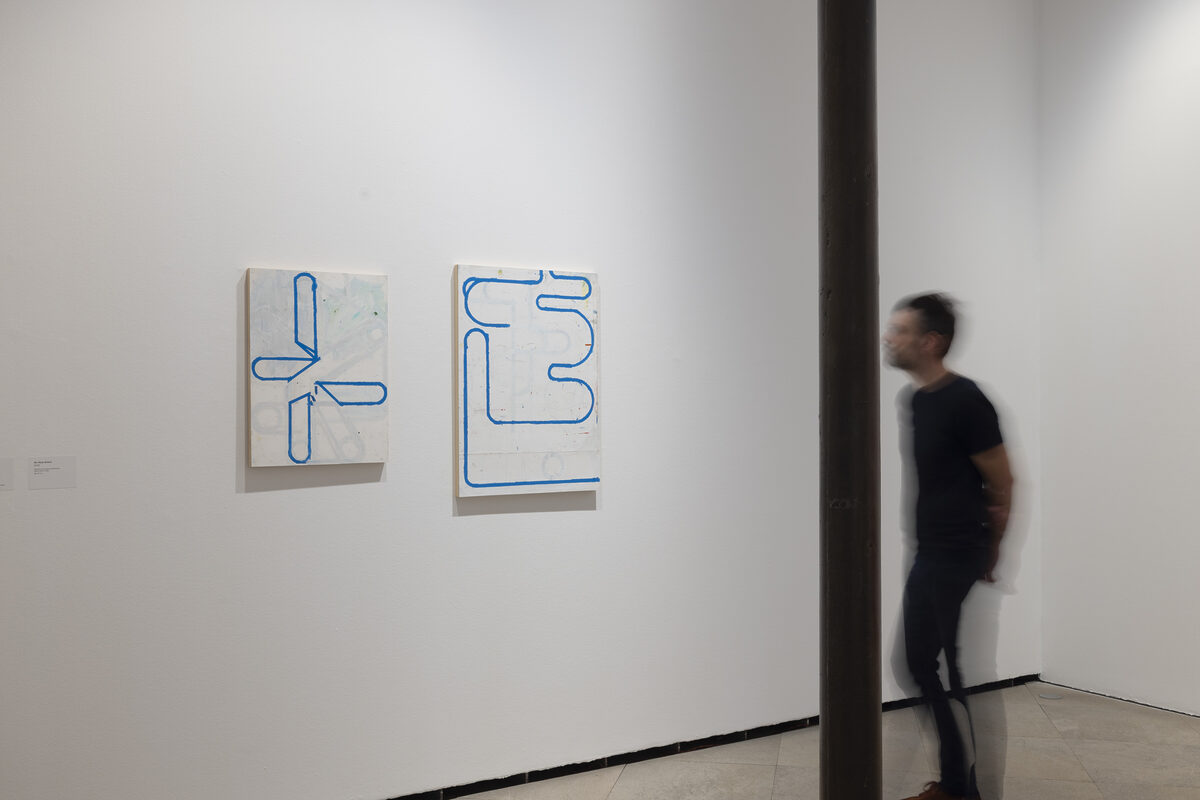
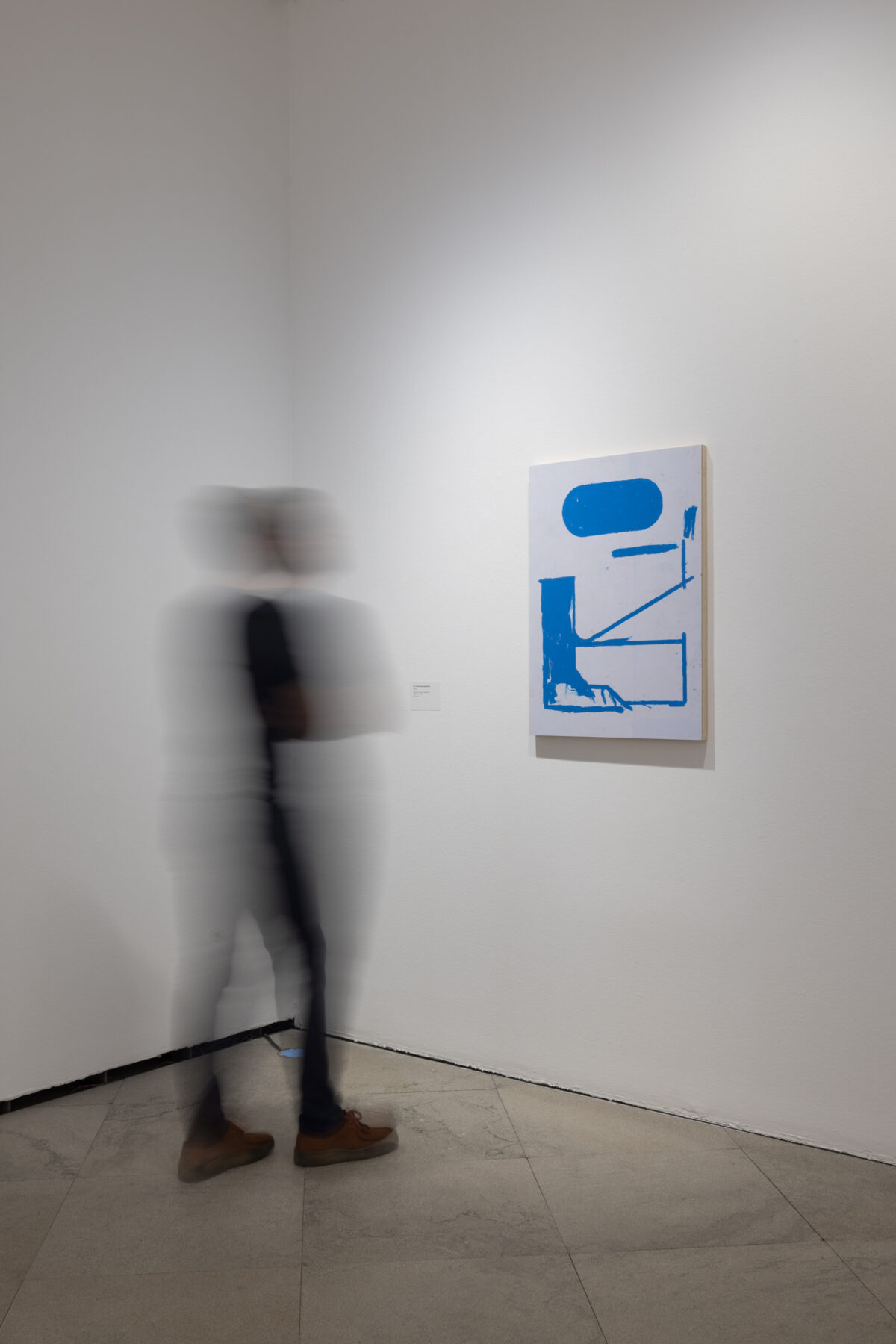
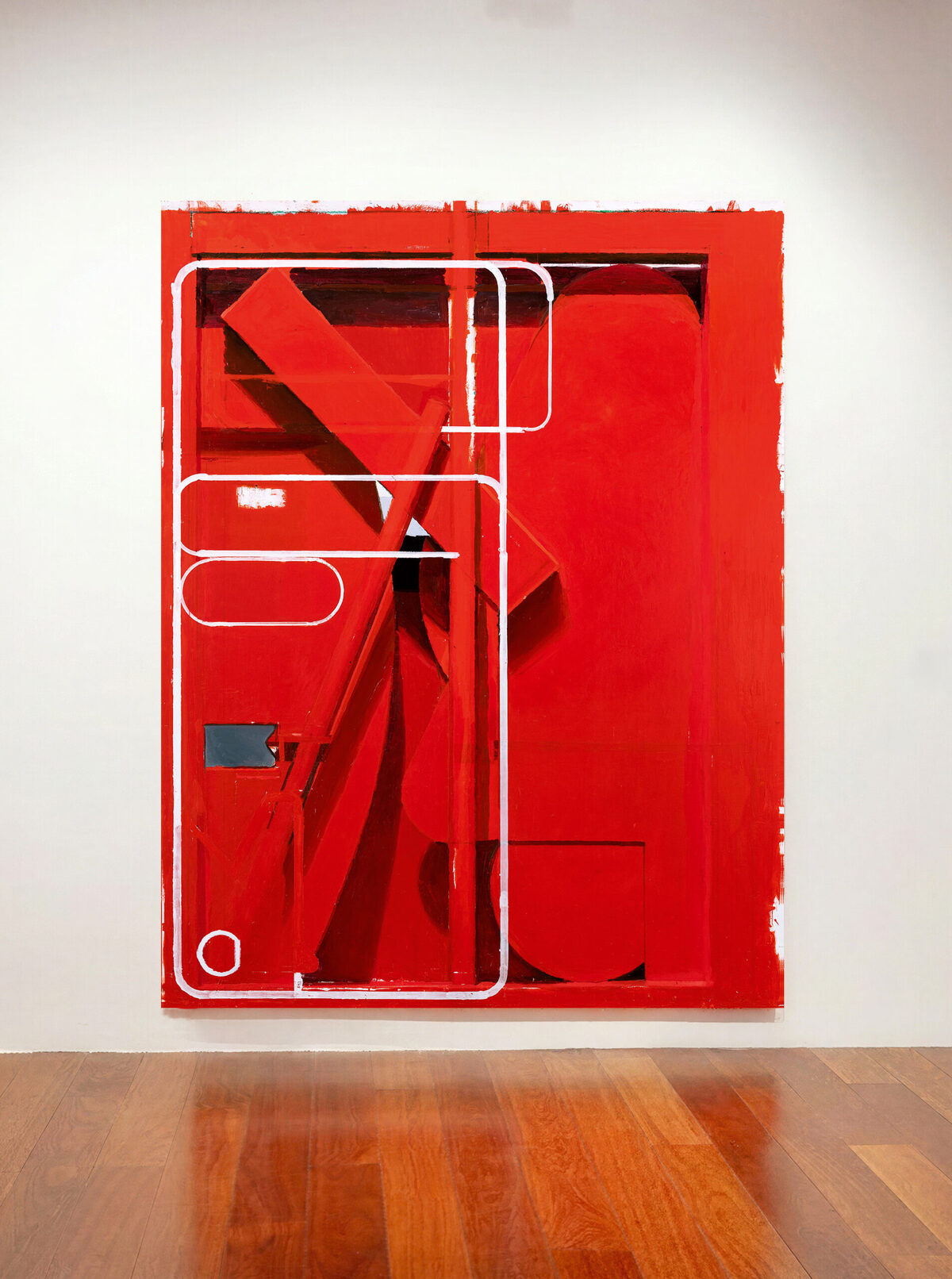
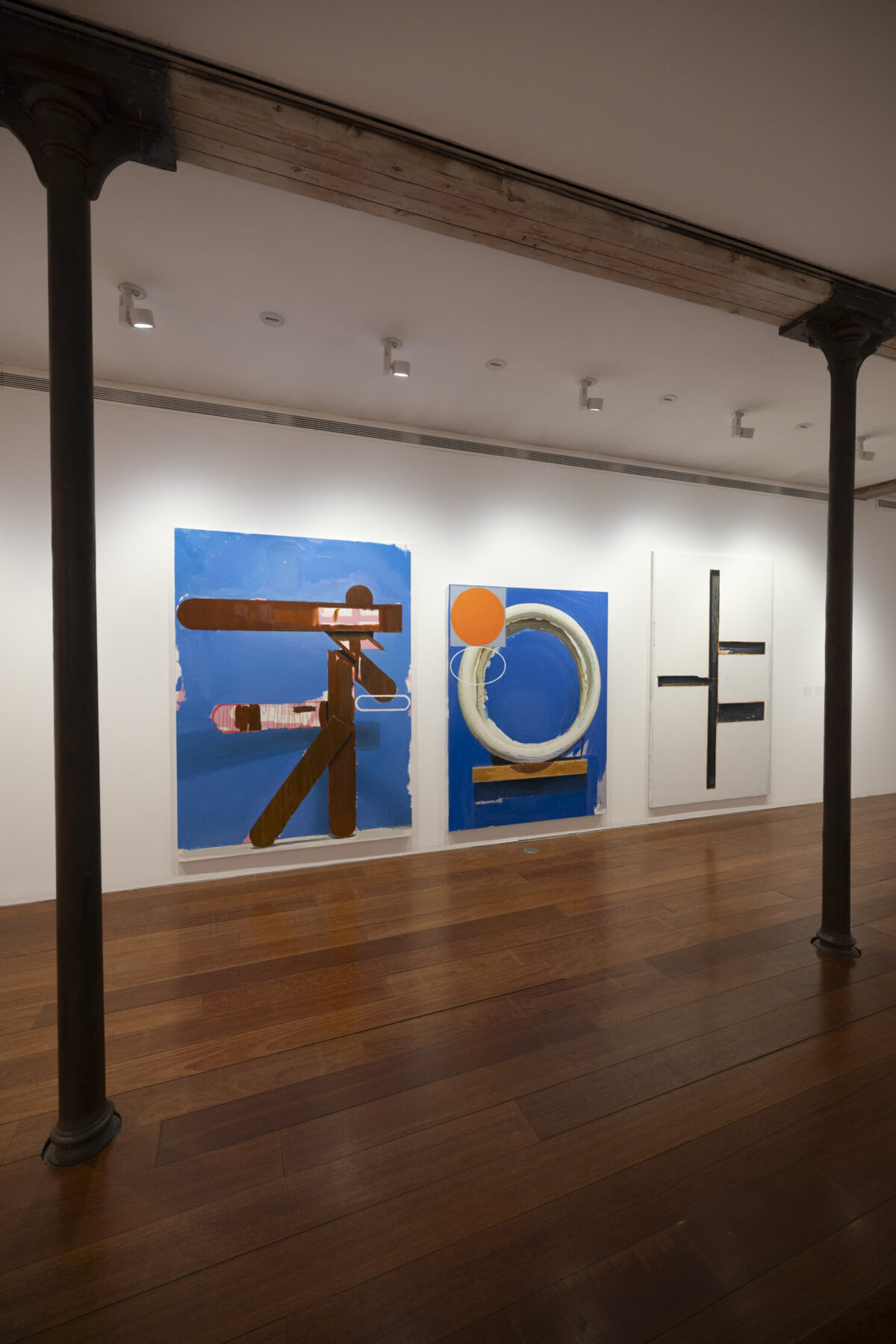
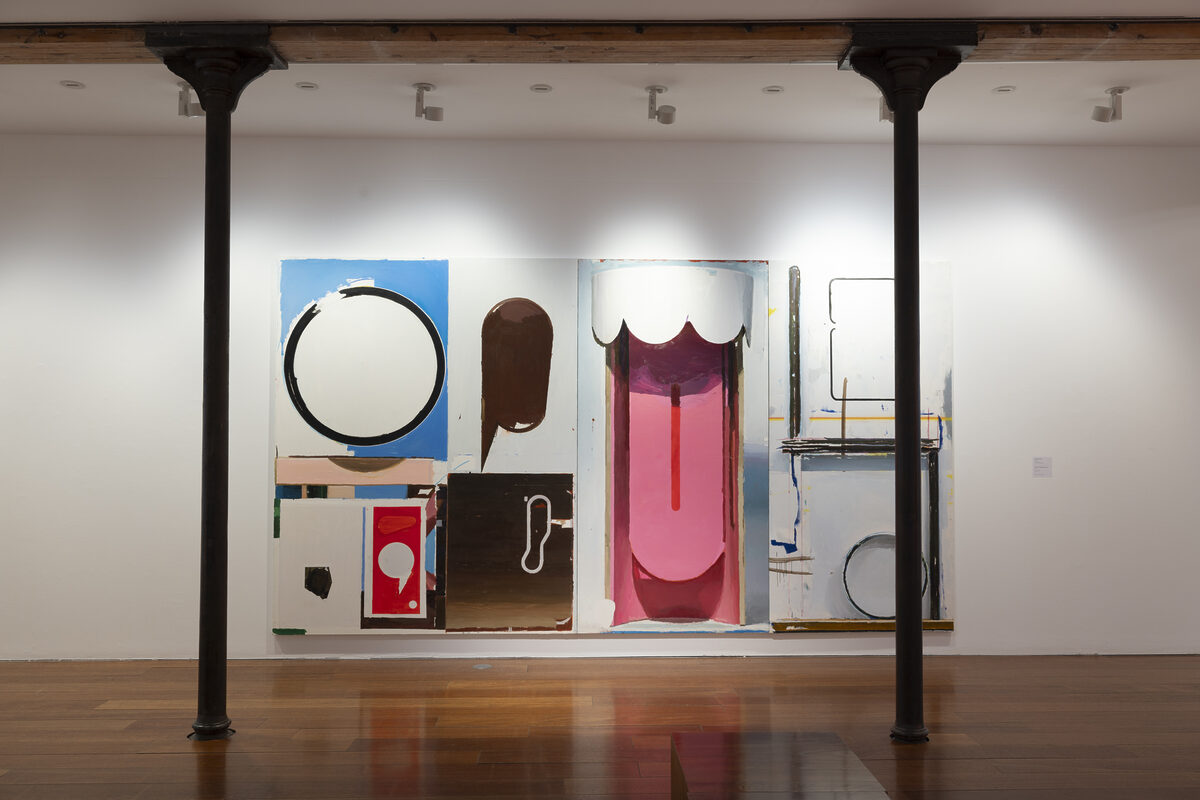
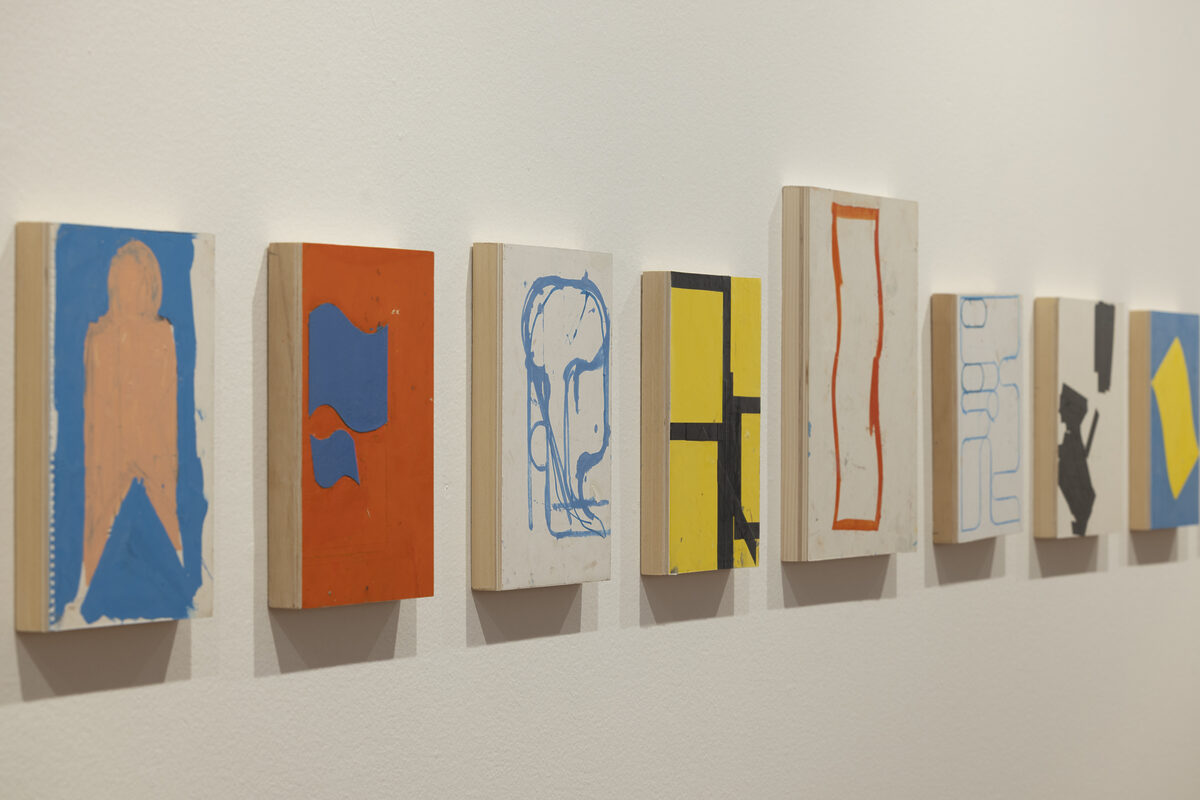
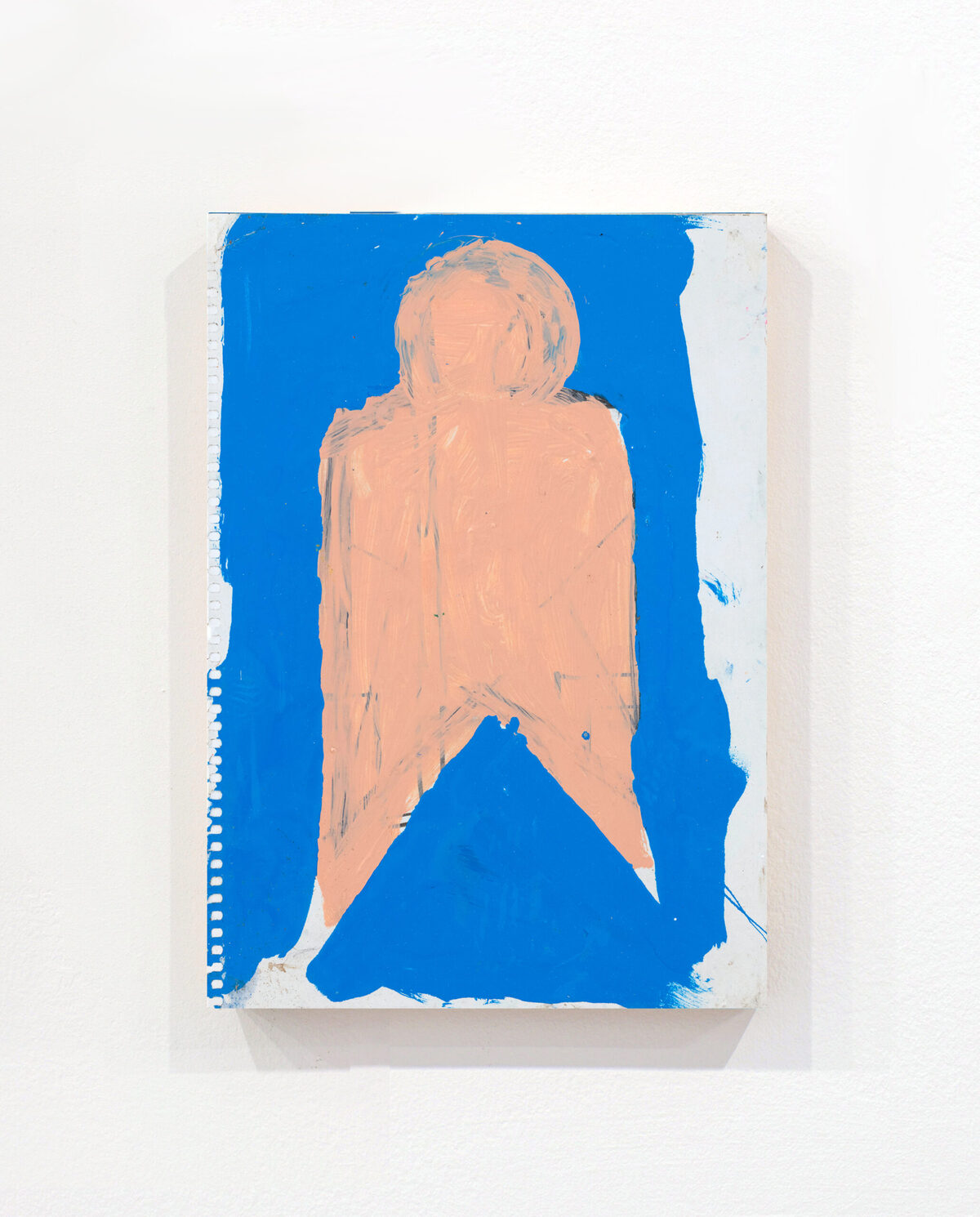
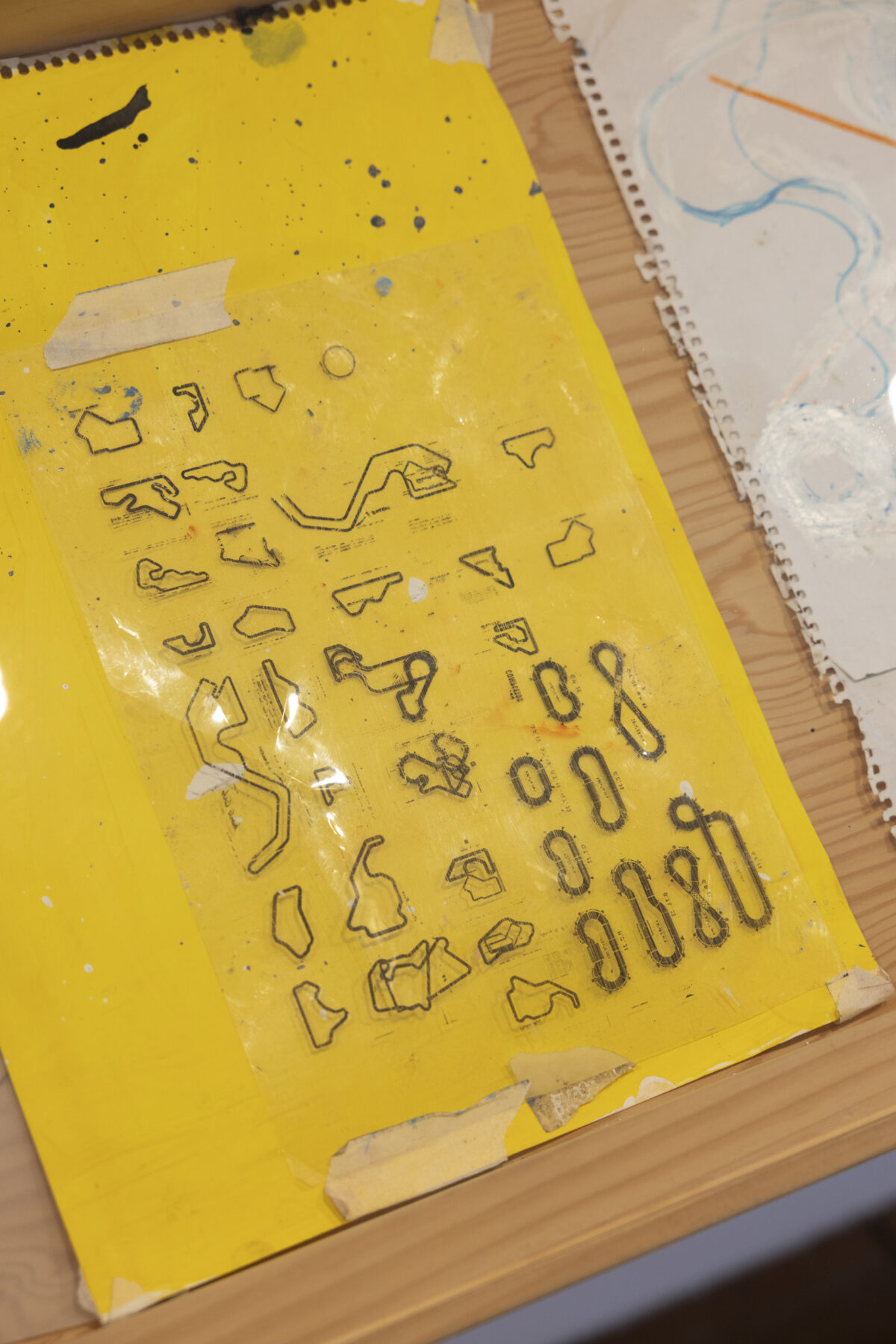
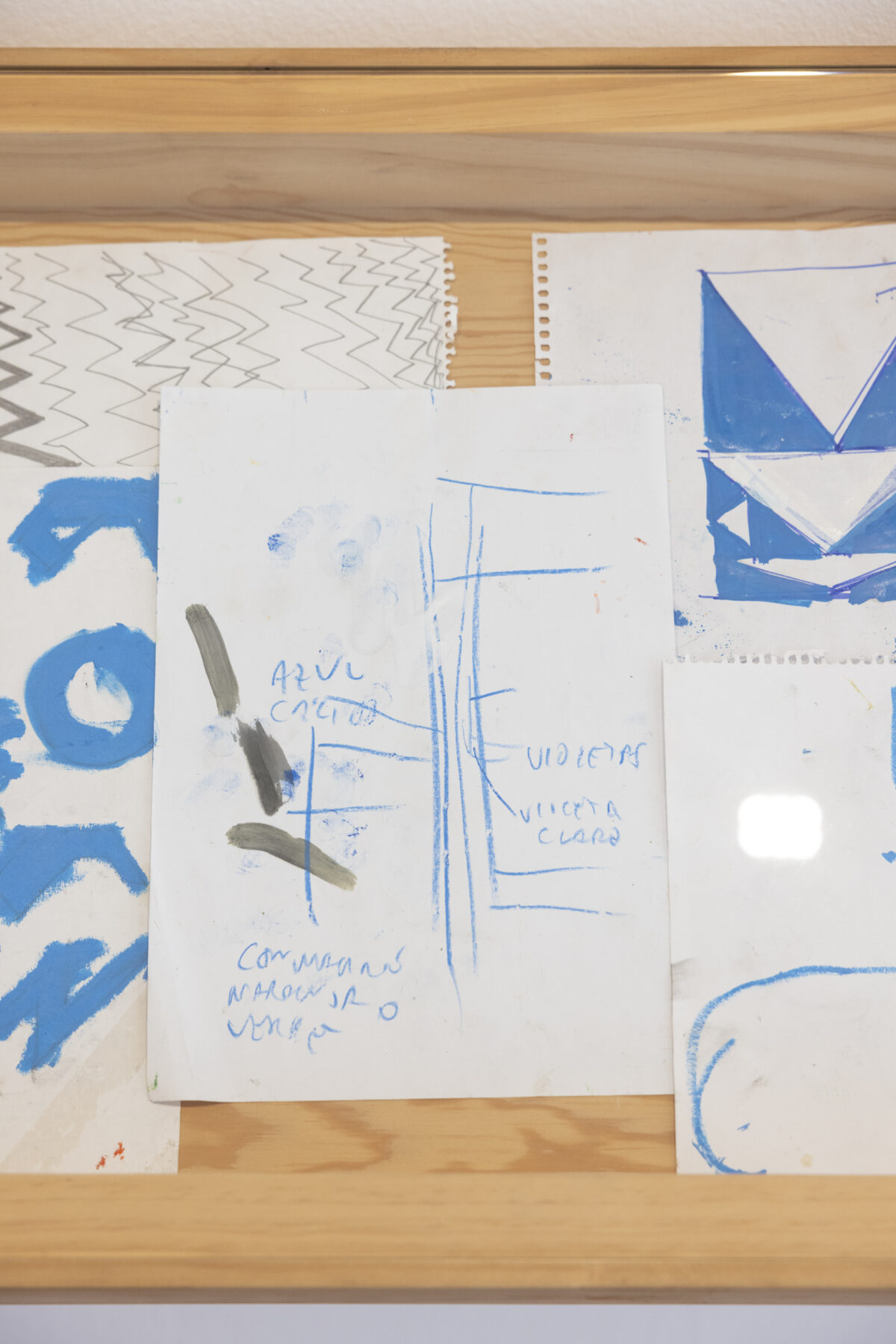
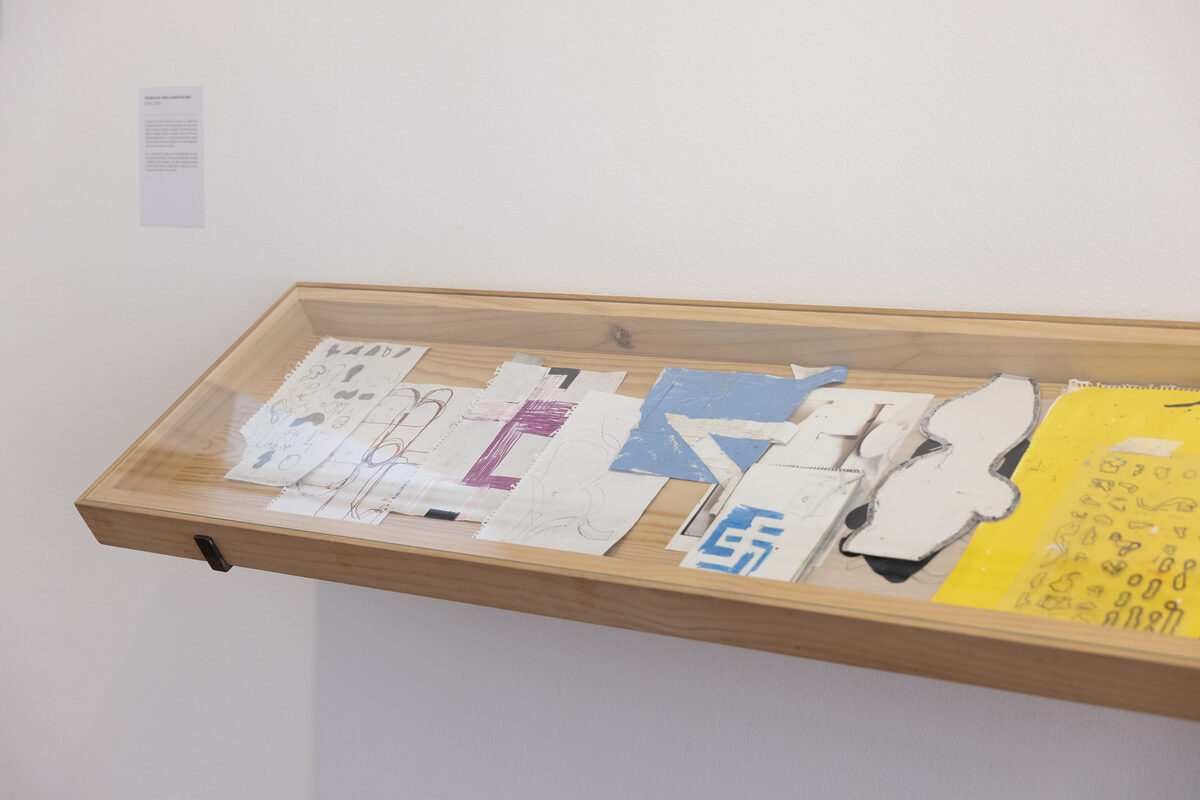
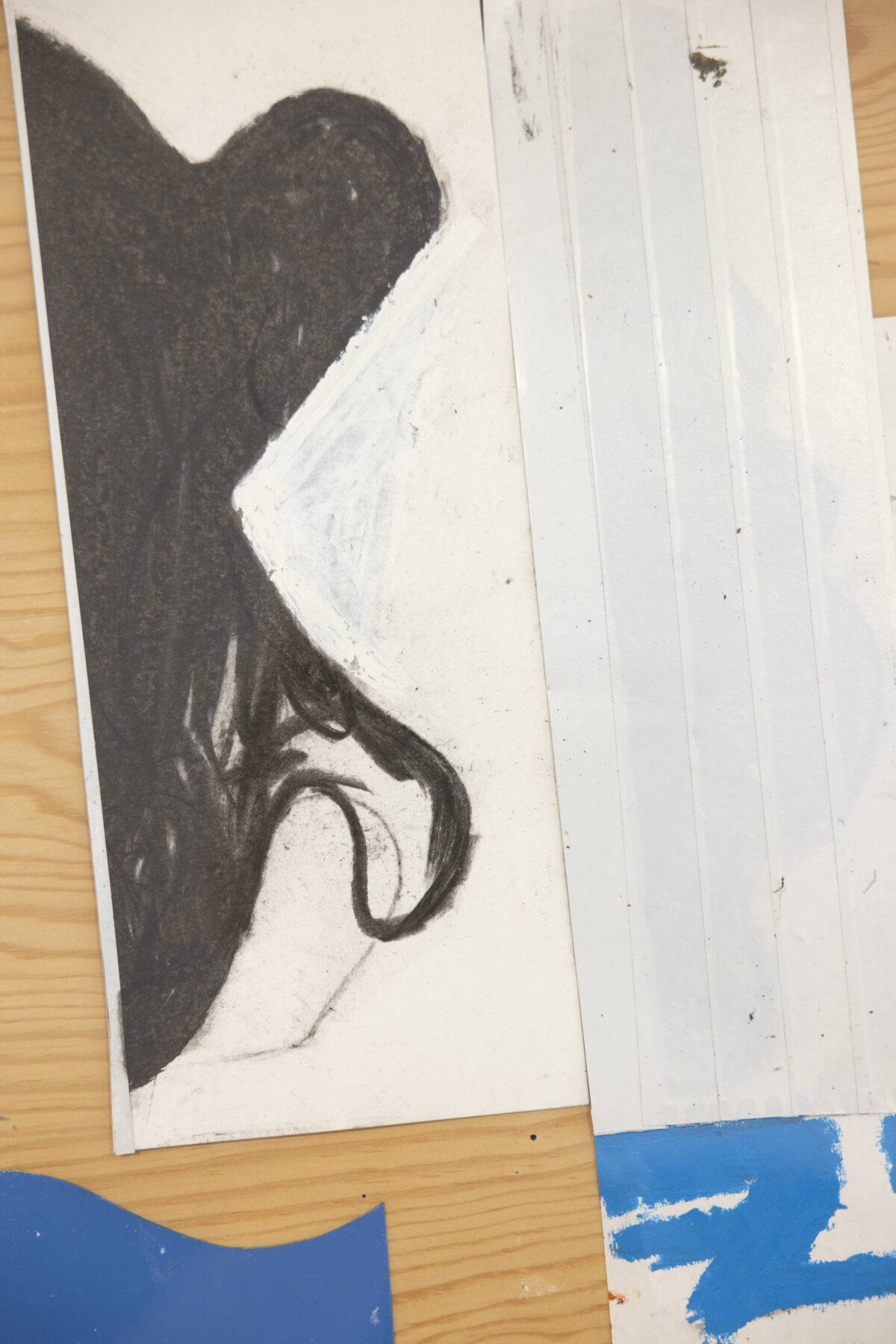
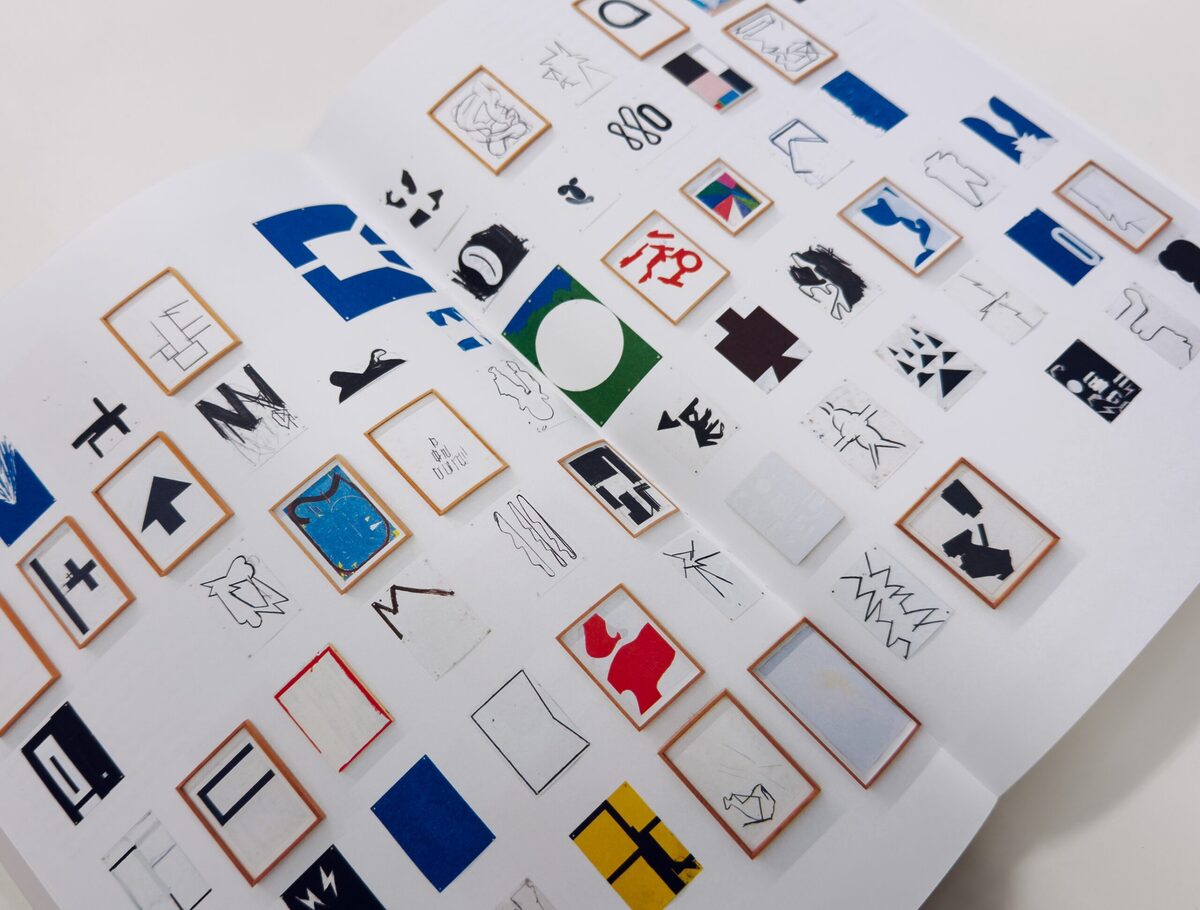
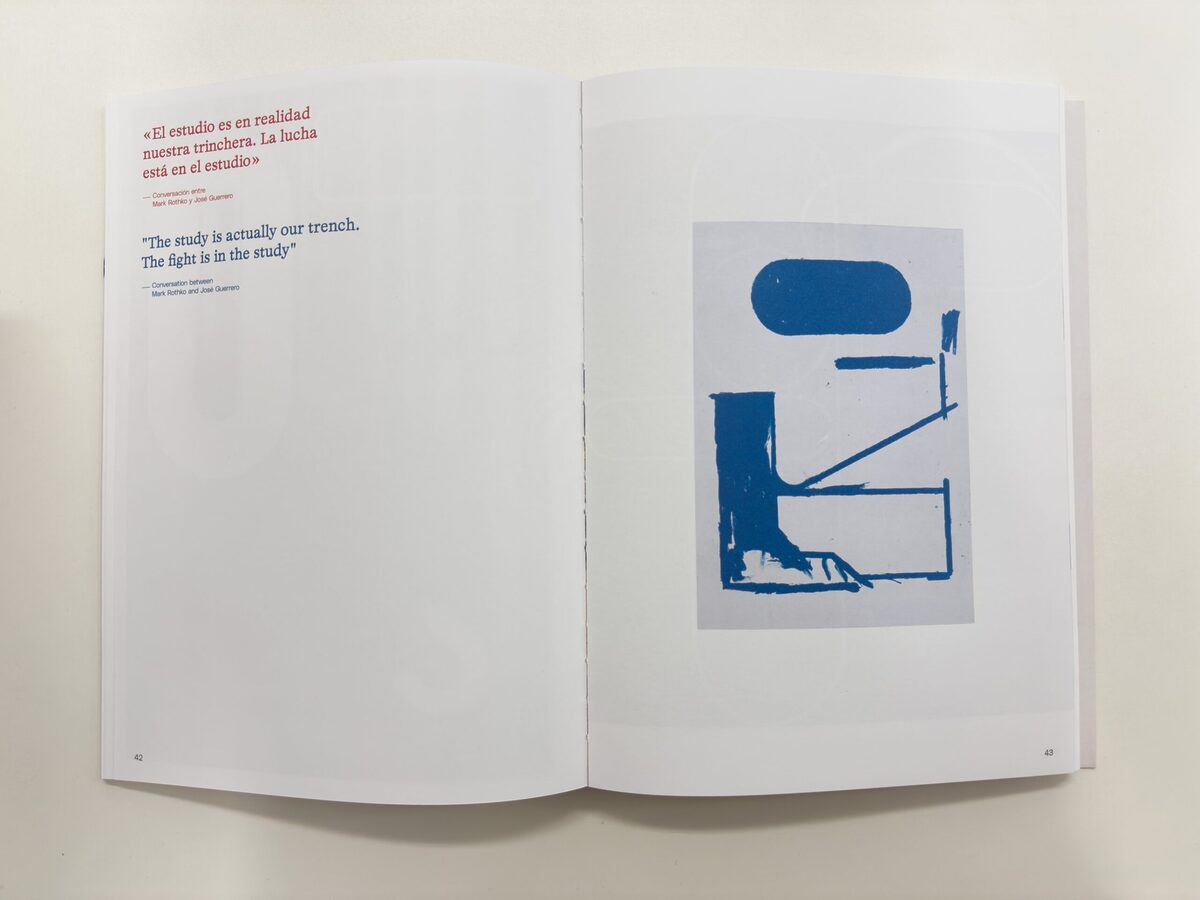
The Granada project focuses almost entirely on the last five years, although there are some pieces that predate the pandemic. Broadly speaking, it continues his research into the possibilities of an elastic and questioning language such as painting, highlighting several significant contributions with respect to previous approaches. The main one is the prominence now acquired by a new, more abstract and schematic series related to movement diagrams that have their own coherence, in many cases linked to activity in the studio. This expansion of his vocabulary dialectically enhances his style, which is amplified until it reaches a more open dimension. The comparison between highly elaborate paintings and others with little emphasis highlights the differences and generates a fruitful energy of contrasting voices. Guerrero feels comfortable in both situations; they are like two sides of the same coin, and he sees them as complementary approaches where more minimalist and fluid options are balanced with others that are more laborious and can take months to complete. The larger works have a scenographic tone and respond to grammatical issues that pursue abstraction from figuration. The diagrams work in reverse: they start from abstraction with the aim of achieving the real and concrete.
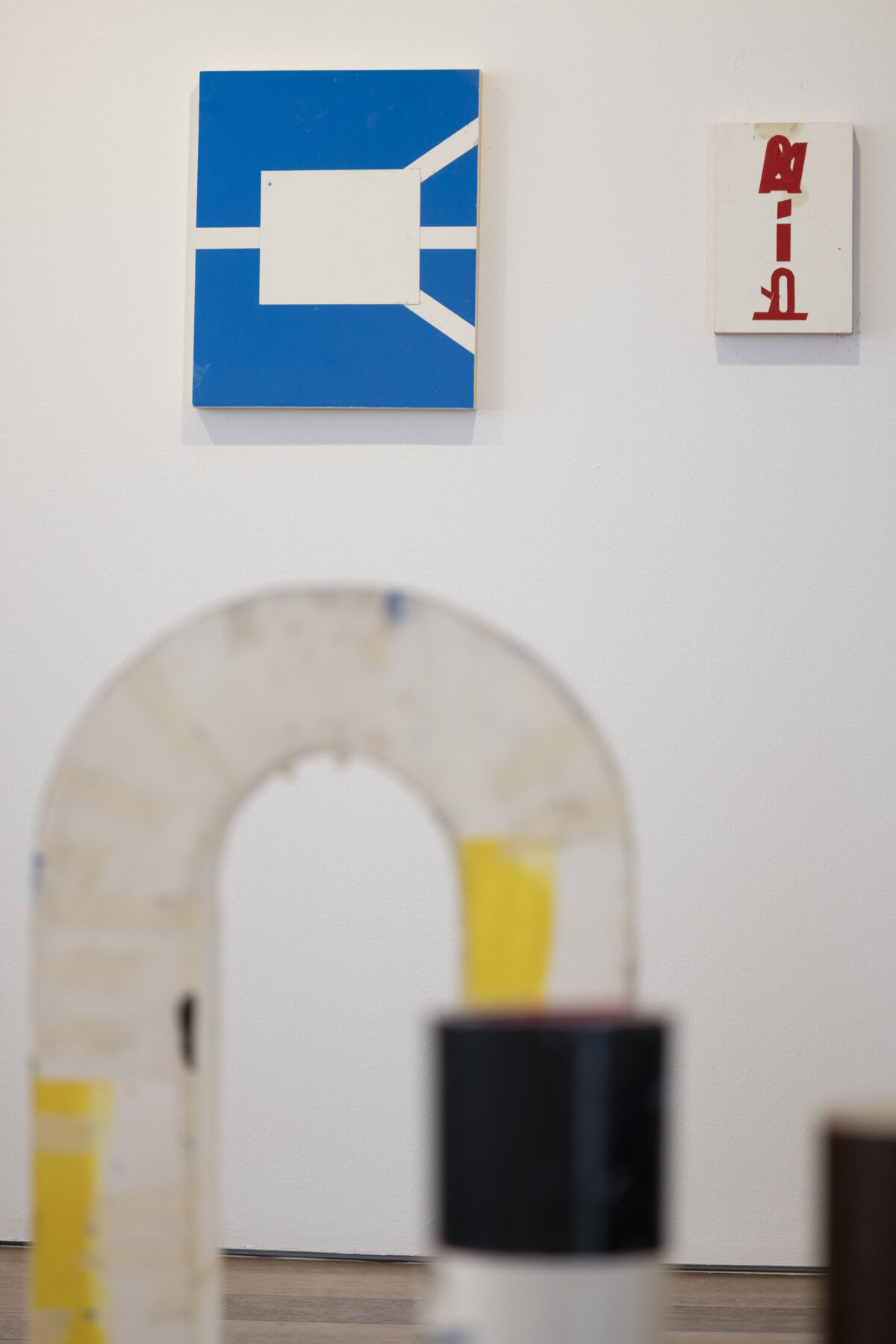
In their work, the two fields draw on syntactic arguments justified from different points of view. Both semantic fields share the search for connotative motifs related to a type of iconographic referent that, when stripped of previous associations, are deactivated and become neutral. If we evaluate them from a semiotic perspective, being distorted and lacking context, they acquire a new meaning in the context of painting, where they appear as open signs without any recognizable baggage. By disrupting the original association established in our imagination, he manages to divert their interpretation towards an ambivalent and unexpected area where perception is trapped. Thus, the artist resorts to signifiers from a secret alphabet whose meanings are unknown to us, enabling only the formal part and nullifying any added interpretation. These epicenters or graphemes, which may seem like signage exercises and even typographies (similar to letters, crosses, or stonemason’s marks), come from a non-existent code from which we cannot deduce an immediate reading. What we think we see is not what we see, a liminal position that generates doubts about what we are contemplating. Furthermore, to emphasize this visual pun, the painting sits in a non-existent space between the two-dimensional and the three-dimensional, another contradiction that reinforces our sense of strangeness in the face of this attractive image before us. [1]
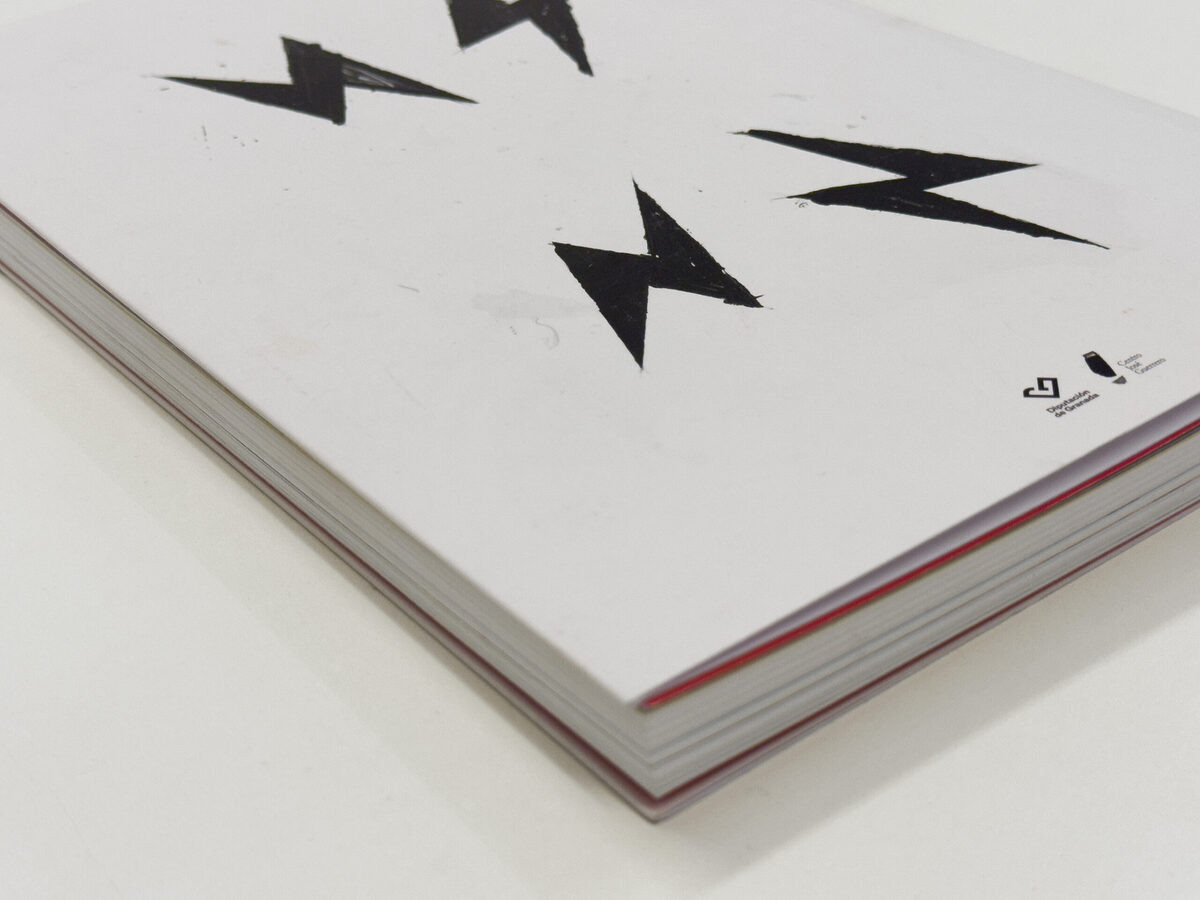
[1] The title of the exhibition delves into this visual problem and alludes (in an ironic nod) to the term Supergraphics, an expression that emerged in the mid-1960s to group together a18> the decade of 1960 to group the works of graphic designers graphic designers such as Barbara Stauffacher Salomon, authors who from the United States a33> explored how the interference of shapes and colours in a a40> space physical conditions the perception of a place. Similarly, in the large-format works of Guerrero, there are also patterns, characters and graphics that a55> patterns, characters and graphics that alter the representation mimetic of reality and prevent a literal reading of what we see.